Understanding the Mystical Fogbow Phenomenon
What Exactly is a Fogbow?
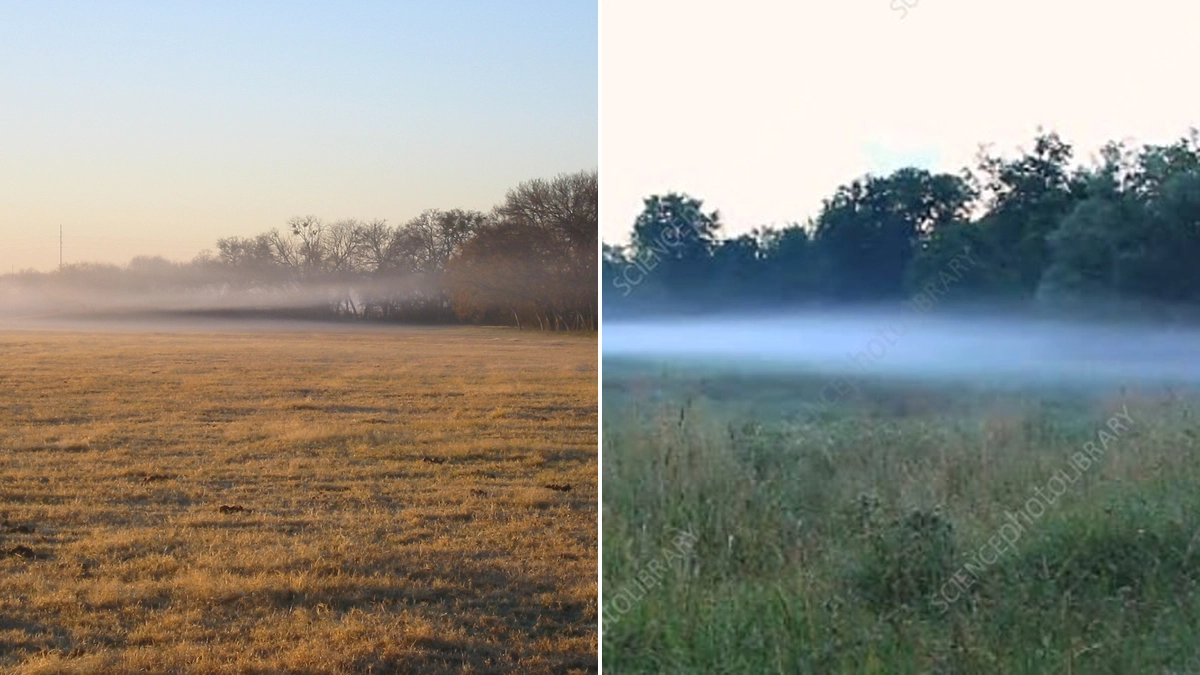
A fogbow is a rare and beautiful atmospheric phenomenon, often described as a "white rainbow." Unlike a typical rainbow that appears in rain, a fogbow materializes in fog or mist. Its defining characteristic is its pale, muted colors, or often, a complete absence of color, rendering it a white arc.
The science behind a fogbow involves sunlight interacting with water droplets in the air. However, the size of these droplets distinguishes it from a rainbow. Fogbows are formed by much smaller water droplets, typically around 50 micrometers in diameter. This size difference causes light to diffract and reflect differently, resulting in the pale or white appearance. This subtle beauty is a testament to nature's hidden gems.
The Science Behind the Ethereal Glow
Understanding the physics of light refraction and diffraction is key to comprehending how fogbows form. When sunlight encounters water droplets, it can be refracted (bent) and reflected. In the case of rainbows, larger droplets refract and reflect light, spreading it into a spectrum of colors.
However, the smaller droplets that create fogbows cause light to diffract. This diffraction process, combined with reflection, leads to a less defined spectrum. While some fogbows may show faint hints of red on the outer edge and blue on the inner edge, they are predominantly white. This optical illusion creates a serene visual experience, contrasting with the vibrant bands of a typical rainbow.
Distinguishing Fogbows from Rainbows
While both fogbows and rainbows are optical phenomena caused by sunlight and water droplets, several key differences set them apart. The most apparent distinction lies in their appearance and the conditions under which they form.
Appearance
Rainbows are characterized by their vibrant, distinct bands of color, including red, orange, yellow, green, blue, indigo, and violet. This is due to the way larger water droplets refract sunlight, separating it into its constituent wavelengths. In stark contrast, fogbows appear as pale, almost white arcs. Any visible color is typically very faint, with red on the outside and blue on the inside, but the overall impression is monochromatic.
Conditions for Formation
Rainbows typically form when the sun is behind the observer and rain is in front. The sun needs to be at a relatively low angle in the sky (typically less than 42 degrees). Fogbows, on the other hand, occur when there is fog or mist and a bright light source (usually the sun) behind the observer. They are often seen from mountain tops or during specific weather conditions where fog is prevalent.
Droplet Size and Optical Processes
The fundamental difference lies in the size of the water droplets involved. Rainbows are formed by droplets with diameters of several millimeters, causing significant refraction and reflection. Fogbows are created by much smaller droplets, around 50 micrometers, which lead to diffraction playing a more dominant role. This difference in optical processes is why fogbows lack the vivid colors of rainbows.
Where and When to Witness a Fogbow
Witnessing a fogbow is a rare treat. These ethereal sights are most commonly observed in specific environments and weather conditions. Their elusive nature adds to their mystique.
Geographical Locations
Fogbows are often seen from elevated positions like mountain tops or during airplane flights, where they can observe the phenomenon against a backdrop of clouds or mist. They can also occur in valleys under specific fog conditions. Locations with frequent fog or mist are more likely to experience fogbows.
Ideal Conditions
The ideal conditions for spotting a fogbow include a bright light source (typically the sun) positioned behind the observer and moisture in the air in the form of fog or mist. The fog needs to be dense enough to create the optical effect but not so thick as to obscure the light source entirely. Observing these natural wonders can be a deeply rewarding experience, often evoking a sense of awe and wonder.
The Deeper Meaning and Symbolism of Fogbows
Beyond their scientific explanation, fogbows carry a rich tapestry of symbolism and deeper meaning. Their rarity and unique appearance have led to various interpretations across different cultures and beliefs.
Spiritual Significance
In many spiritual contexts, the fogbow is seen as a symbol of hope, clarity, and guidance emerging from confusion or uncertainty. Its pale, luminous presence can represent inner peace and enlightenment, suggesting that even in the most obscure circumstances, beauty and understanding can be found. The fogbow spiritual meaning often relates to a gentle transition or a subtle revelation.
Cultural Interpretations
Across different cultures, fogbows have been associated with myths and legends, often seen as a bridge between worlds or a sign from the divine. They serve as a reminder of the subtle yet profound beauty that nature offers, often hidden in plain sight. The sight of a fogbow can inspire a sense of wonder and encourage a deeper appreciation for the natural world.
Fogbows in Context: Gaza, South Sudan, and Humanitarian Efforts
While the typical image of a fogbow is one of natural beauty in pristine environments, the term has also entered discussions related to humanitarian efforts in challenging regions. Understanding the context of fogbow humanitarian initiatives is crucial.
Fogbow Gaza and Humanitarian Aid
The term "Fogbow Gaza" might refer to specific projects or organizations working to bring a sense of hope and normalcy, akin to the gentle emergence of a fogbow, to communities facing extreme hardship. These initiatives often aim to provide essential aid and support, symbolizing a beacon of light amidst difficult circumstances. The focus here is on the symbolic representation of hope and resilience, similar to how a fogbow appears through mist.
Fogbow South Sudan and Relief Efforts
Similarly, "Fogbow South Sudan" could denote efforts aimed at providing relief and support in regions grappling with conflict or natural disasters. These initiatives often work towards bringing clarity and a brighter future, much like the visual appearance of a fogbow. The humanitarian aspect underscores the profound impact such natural phenomena can have on human perception and hope, even when associated with challenging realities.
Capturing the Beauty: Fogbow Images and Photography Tips
Photographing a fogbow presents unique challenges and rewards. Capturing its subtle beauty requires patience and the right techniques.
Photography Tips
When attempting to photograph a fogbow, it's essential to have the sun behind you and the fog in front. Using a tripod can help stabilize your camera, especially in low-light conditions. Experiment with different exposure settings, as the fog can often fool your camera's light meter. Look for foreground elements that can add depth and context to your shot, such as trees or landscapes.
Iconic Fogbow Locations
While fogbows can appear anywhere with the right conditions, certain locations are known for their frequent sightings. Areas with consistent coastal fog, mountainous regions, or even during specific seasons can offer better opportunities. Keep an eye out for these natural spectacles; they often appear unexpectedly, like the sunrise at Lake Bled or the dramatic landscapes of Vestrahorn, Iceland, which can provide stunning backdrops for capturing atmospheric phenomena.
Conclusion: Appreciating Nature's Subtle Masterpieces
The fogbow, with its elusive beauty and gentle presence, serves as a powerful reminder of the subtle wonders of the natural world. It teaches us to appreciate the quieter moments and the beauty that can be found even in the most diffused light. Whether viewed through the lens of science, spirituality, or humanitarian hope, the fogbow inspires a sense of awe and wonder.
Next time you encounter a misty morning or a foggy landscape, keep an eye out for this extraordinary phenomenon. It might just be nature's way of offering a moment of quiet magic and profound beauty. Embrace the opportunity to witness such a rare sight and reflect on the delicate artistry of our atmosphere.

 21/07/2026