Understanding the Snow Flurry: Definition, Examples, and Related Flora
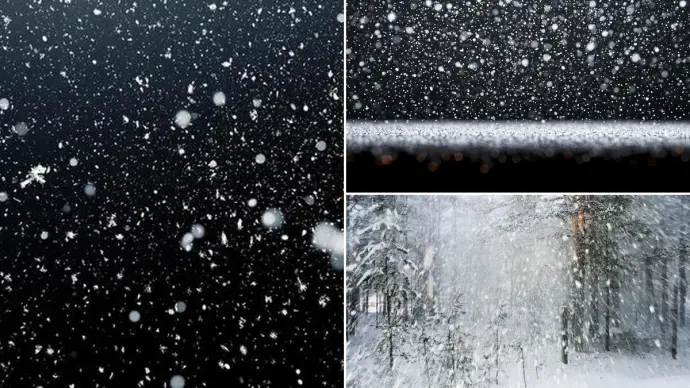
The term "snow flurry" evokes a gentle dusting of snow, a fleeting moment of winter's touch. It describes a specific meteorological phenomenon characterized by intermittent, light snowfall of short duration. Unlike heavier snowfalls, a snow flurry typically results in no measurable accumulation, often categorized as a trace amount. Understanding this distinction is key to appreciating the nuances of winter weather descriptions.
Key Characteristics of a Snow Flurry:
- Intermittent Light Snowfall: Characterized by brief periods of snow.
- Short Duration: The snowfall does not last for an extended period.
- No Measurable Accumulation: Typically leaves only a trace of snow.
The 'Snow Flurry' in Everyday Language and Literature
The phrase "snow flurry" finds its way into various contexts, from news reports to literary works, painting a picture of delicate winter scenes. Its usage helps convey a sense of gentle cold and atmospheric beauty.
Examples from Literature and News
The following examples illustrate how "snow flurry" is used to describe light snowfall:
- A snow flurry powdered the mountains and dropped white crystals on the town. (Frightful's Mountain by Jean Craighead George)
- "A nice sunny day with a little snow flurry would be nice," he told a news conference. (Reuters, January 30, 2014)
- In the presence of iodine vapor a single electric spark will knock enough silver out of a dime to start a snow flurry. (Time Magazine Archive)
- On Friday, people in the city marvelled at the unfamiliar sight of a snow flurry around the Hollywood sign on Mount Lee. (BBC, February 24, 2023)
These instances highlight the consistent association of a snow flurry with light, often picturesque, snowfall events.
Exploring the Flora: Plants Named 'Snow Flurry'
Beyond the weather, the evocative name "snow flurry" has been adopted by the botanical world to describe various plants, often due to their appearance or blooming time. These plants bring a touch of winter's charm into gardens and landscapes throughout the year.
A Closer Look at Snow Flurry-Named Plants
Several plant species feature "snow flurry" in their common names, each offering unique characteristics:
- Snow flurry Heath Aster (Symphyotrichum pilosum var. pringlei 'Snow Flurry'): This variety of aster is known for its abundant, small white flowers that create a delicate, frothy effect, reminiscent of a snow flurry. It's a compact cultivar, suitable for borders and mass plantings. The snow flurry heath aster thrives in full sun and well-drained soil.
- Snow Flurry Camellia (Camellia sasanqua 'Snow Flurry'): This camellia cultivar produces masses of pure white, semi-double flowers in the fall and winter. Its graceful, arching branches and profuse blooms make it a stunning addition to the winter garden. The snow flurry camellia prefers partial shade and acidic soil.
- Snow Flurry California Lilac (Ceanothus griseus horizontalis 'Snow Flurry'): This low-growing groundcover variety of California Lilac features vibrant green foliage and produces clusters of white flowers in spring. It's drought-tolerant once established and ideal for covering slopes or as a border plant. The snow flurry california lilac requires full sun and well-drained soil.
- Snow Flurry Verbena (Verbena spp.): While not a single specific cultivar, some verbena varieties are colloquially referred to or marketed with names evoking a snow flurry due to their prolific, airy white blooms that appear to drift like snow.
The snow flurry meaning in botany often relates to the appearance of delicate, white, and abundant blooms, mirroring the visual effect of light snowfall. These plants offer a unique way to bring the subtle beauty of a snow flurry into your surroundings.
Distinguishing Snow Flurries from Other Winter Precipitation
It is important to differentiate a snow flurry from other forms of winter precipitation. While both involve snow, the intensity and duration are key factors. A snow flurry is a brief, light shower with minimal to no accumulation, whereas other snow events can bring significant snowfall, including blizzards characterized by high winds and reduced visibility.
Maintaining Your Garden with Snow Flurry Plants
Caring for plants named "snow flurry" involves understanding their specific horticultural needs. For instance, the snow flurry aster prefers consistent moisture and good air circulation, while the snow flurry camellia benefits from protection from harsh winter winds.
Conclusion: The Enduring Appeal of the Snow Flurry
Whether observed in the sky or found in the delicate petals of a flower, the concept of a "snow flurry" evokes a sense of gentle beauty and fleeting moments. From its meteorological definition as a light, short-lived snowfall to its charming representation in plant names like the snow flurry heath aster and snow flurry camellia, the term captures a unique natural phenomenon. Understanding the snow flurry meaning enriches our appreciation for both the weather and the botanical world. Consider incorporating these beautiful snow flurry plants into your garden to enjoy their subtle elegance throughout the seasons.
Comments (0)
No comments yet. Be the first to share your thoughts!
Leave a Reply
Your email address will not be published. Required fields are marked *