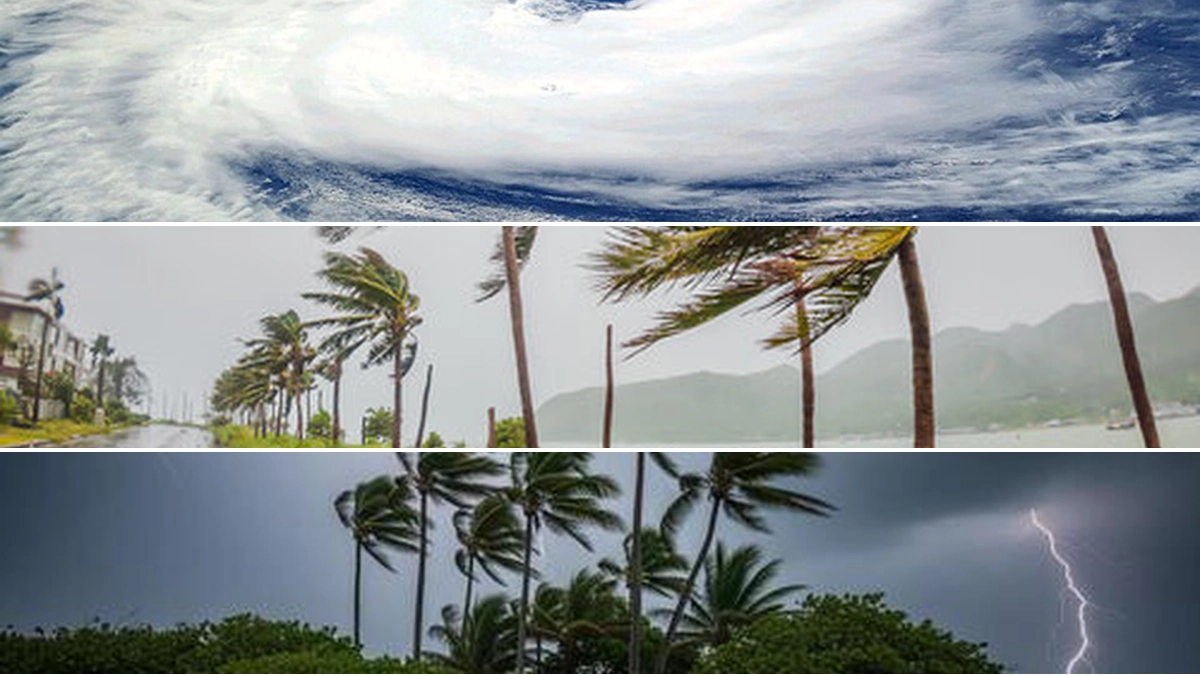
Understanding the Monsoon Season: Benefits, Hazards, and Timing
The monsoon season is a critical period for the Southwestern United States, particularly Arizona and New Mexico. Typically spanning from mid-June to the end of September, it brings essential rainfall that moderates temperatures, supports vegetation, and replenishes water resources. However, this season also presents significant hazards, including flooding, extreme precipitation, and increased health risks like waterborne illnesses and vector-borne diseases.
The Essence of the Monsoon Season
The monsoon season represents a significant shift in atmospheric circulation, crucial for ecosystems and communities in the Southwestern United States. Across Arizona and New Mexico, July and August often mark the wettest months, contributing substantially to the annual precipitation. This period is vital for moderating extreme summer heat, alleviating pressure on water resources, and promoting vegetation growth. Understanding the monsoon season is key to appreciating the delicate balance of this arid region's climate.
Defining the Monsoon Season and its Timing
From a meteorological perspective, the monsoon season officially begins on June 15 and concludes on September 30 each year. This date signifies a shift in prevailing winds from a dry westerly flow to a moist southerly flow, driven by the development of an upper-level high-pressure system known as the monsoon high or ridge. While the official start is June 15, actual rainfall often becomes more pronounced in July and August. This observed average date for the wind shift initiates the conditions favorable for thunderstorm activity, particularly over mountainous areas where air is forced upward.
The Role of the Monsoon High
The monsoon high, or monsoon ridge, is a key atmospheric feature influencing the monsoon season's behavior. This anticyclone causes a clockwise flow of air that builds and moves northward during the summer. When its center is positioned sufficiently north, it facilitates the movement of moist air from the Gulf of Mexico and the Gulf of California into the Southwest. The intensity and location of the monsoon high directly impact where thunderstorms form and whether they develop into organized, significant weather systems. Understanding the monsoon season's mechanics involves recognizing the influence of this pressure system.
Monsoon Onset and Moisture Influx
The onset of the monsoon season is closely monitored using surface dewpoint and precipitable water measurements, which indicate the air's moisture content. When these thresholds are met, conditions become conducive to thunderstorm development. The process begins along the coasts of Mexico, where storm activity pushes moisture northward into the Southwest. The influx of moisture, combined with the dynamics of the monsoon high, determines the pattern and intensity of rainfall across the region.
Benefits of the Monsoon Season
Despite the potential hazards, the monsoon season brings numerous ecological and climatic benefits to Arizona and surrounding areas. The arrival of rains provides much-needed relief from the scorching summer heat, breaking periods of drought and supporting local wildlife. Desert plants respond with blooms, and the increased precipitation helps replenish groundwater levels. This vital water source is indispensable for the region's natural ecosystems and agricultural activities.
Health and Safety Considerations During Monsoon Season
The increased humidity and rainfall during the monsoon season, while beneficial, also introduce significant health risks. Higher dewpoints can intensify the feeling of heat, leading to an increase in heat-related illnesses. Furthermore, the combination of warmth and moisture creates a more favorable environment for mosquitoes, potentially increasing the transmission of vector-borne diseases. Monsoon thunderstorms can also produce dangerous microbursts with wind speeds exceeding 100 miles per hour, leading to dust storms that can exacerbate respiratory conditions like Valley fever.
Regional Variations and Impacts
While the North American Monsoon primarily impacts the Southwestern United States, similar monsoon patterns exist globally. For instance, the monsoon season in India is characterized by heavy rainfall crucial for its agriculture. Similarly, the monsoon season in Thailand and the monsoon season in Malaysia define the country's weather patterns and impact daily life. In Southeast Asia, the Philippines monsoon season, often divided into the southwest and northeast monsoons, dictates wet and dry periods. Understanding the monsoon season meaning highlights its significance as a seasonal wind shift that brings about distinct wet and dry periods, impacting regions from Pakistan to Vietnam. The Singapore monsoon season, influenced by monsoons from the South China Sea and Indian Ocean, also brings distinct weather patterns.
Preparing for the Monsoon Season
Effective preparation is crucial for mitigating the risks associated with the monsoon season. Residents and visitors in monsoon-prone areas should stay informed about weather outlooks and safety guidelines. This includes understanding the potential for flash floods, severe thunderstorms, and the importance of maintaining safe distances from waterways during heavy rainfall. The Arizona State Climate Office offers resources like monthly weather webinars to help the public stay informed about monsoon terminology and data.
Monsoon Safety Tips
Staying safe during the monsoon season involves taking proactive measures:
- Be aware of flash flood risks: Never drive or walk through flooded areas. Turn around, don't drown.
- Prepare for high winds: Secure outdoor items that could be blown away and be cautious of falling debris.
- Monitor weather alerts: Stay updated with local weather forecasts and warnings.
- Protect your home: Ensure proper drainage around your property and consider flood insurance.
- Health precautions: Be mindful of increased humidity and potential for vector-borne diseases. Ensure water sources are safe.
By understanding the dynamics and potential impacts of the monsoon season, communities can better prepare for its arrival and mitigate its associated dangers.
 20/07/2026