Understanding Snowfall: Measurement, Types, and Meteorological Significance

Snow, a fascinating form of precipitation, plays a crucial role in Earth's climate system. Understanding its measurement, types, and characteristics is vital for meteorologists, researchers, and anyone living in snow-prone regions. This article delves into the science behind snowfall, providing clear guidelines for measurement and exploring its various forms.
Key Snow Measurement Standards
- Reported Snowfall: Measured in tenths of an inch (e.g., 2.4"), recorded as soon as snow stops falling, up to 4 times daily.
- Liquid Equivalent: Water content of new snow in the last 24 hours, measured in hundredths of an inch (e.g., 0.22").
- Snow Depth: Total snow on the ground, measured to the nearest whole inch (e.g., 11"), typically reported at 7 am.
Accurate Snow Measurement Techniques
Precise snow measurement is essential for forecasting, hydrology, and climate studies. Here's how to ensure accuracy:
Tools for Measurement
- Snow Board: A 24"x16" piece of plywood (1/2" or 3/4" thick) painted white serves as an ideal surface.
- Yardstick or Snow Stick: Used for measuring the depth of fallen snow.
Preparation and Location
Choose a measurement spot that is away from areas prone to drifting. If drifts are unavoidable, take measurements in several locations and calculate the average. Avoid spots sheltered from the weather, such as near buildings or under trees, as these can skew results. Using a marked snow board simplifies the process, ensuring consistency.
How to Measure Snowfall
When measuring newly fallen snow, push the yardstick perpendicular to the ground until it reaches the snow board or measuring surface. Record the measurement to the nearest tenth of an inch. It's crucial to track all measurements throughout a storm to report the total accumulation accurately. After each measurement, clear the snow board to prepare for subsequent snowfall.
Understanding Different Types of Snow
Snow is not monolithic; it exhibits various forms and characteristics:
Snow Crystals and Snowflakes
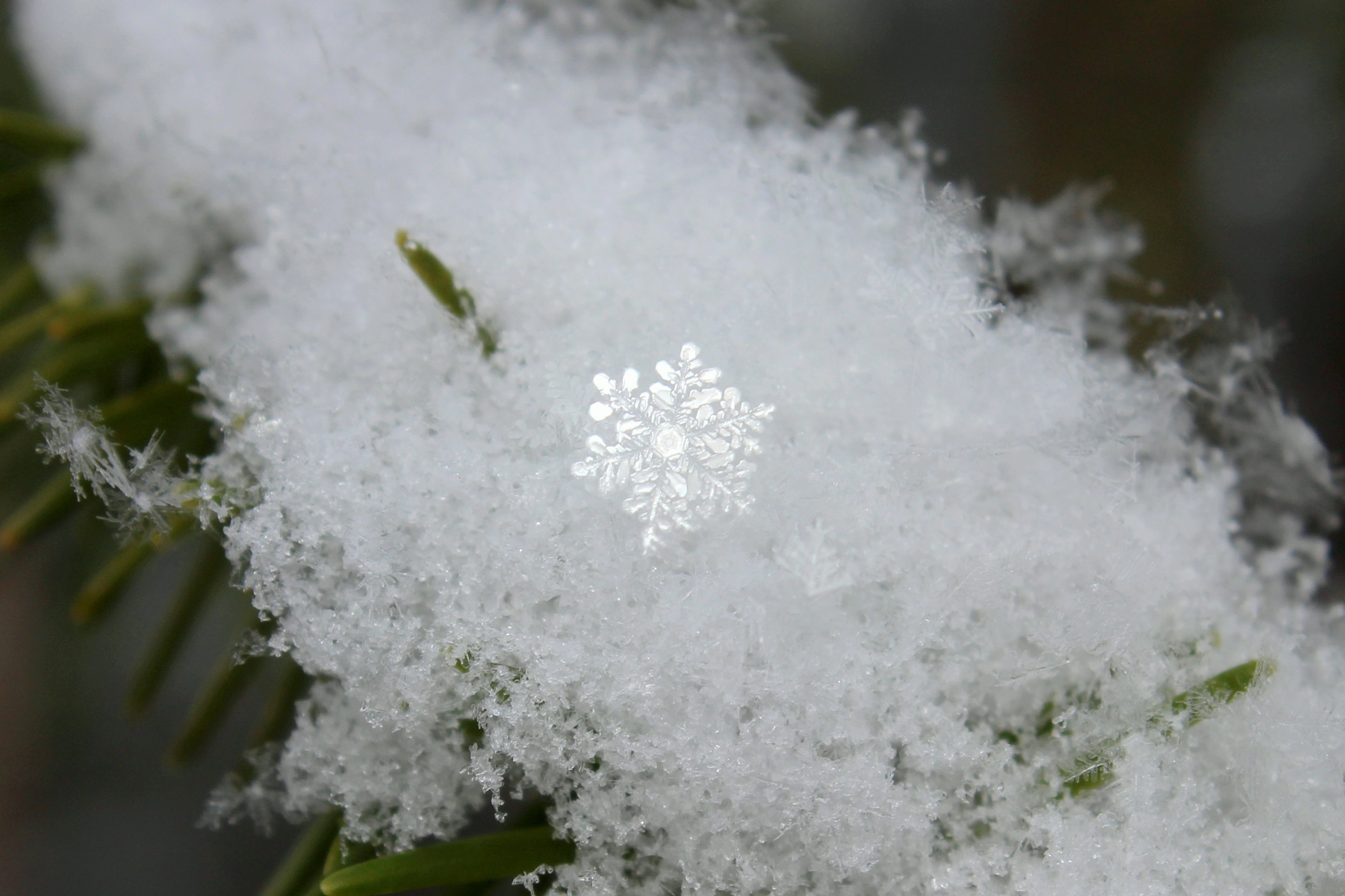
Snow begins as ice crystals that form directly from water vapor in the atmosphere at temperatures below 32°F (0°C). These crystals often aggregate into larger snowflakes, each with a unique hexagonal structure. The visual beauty of a single snowflake is remarkable, showcasing intricate patterns.
Snowfall and Snow Depth
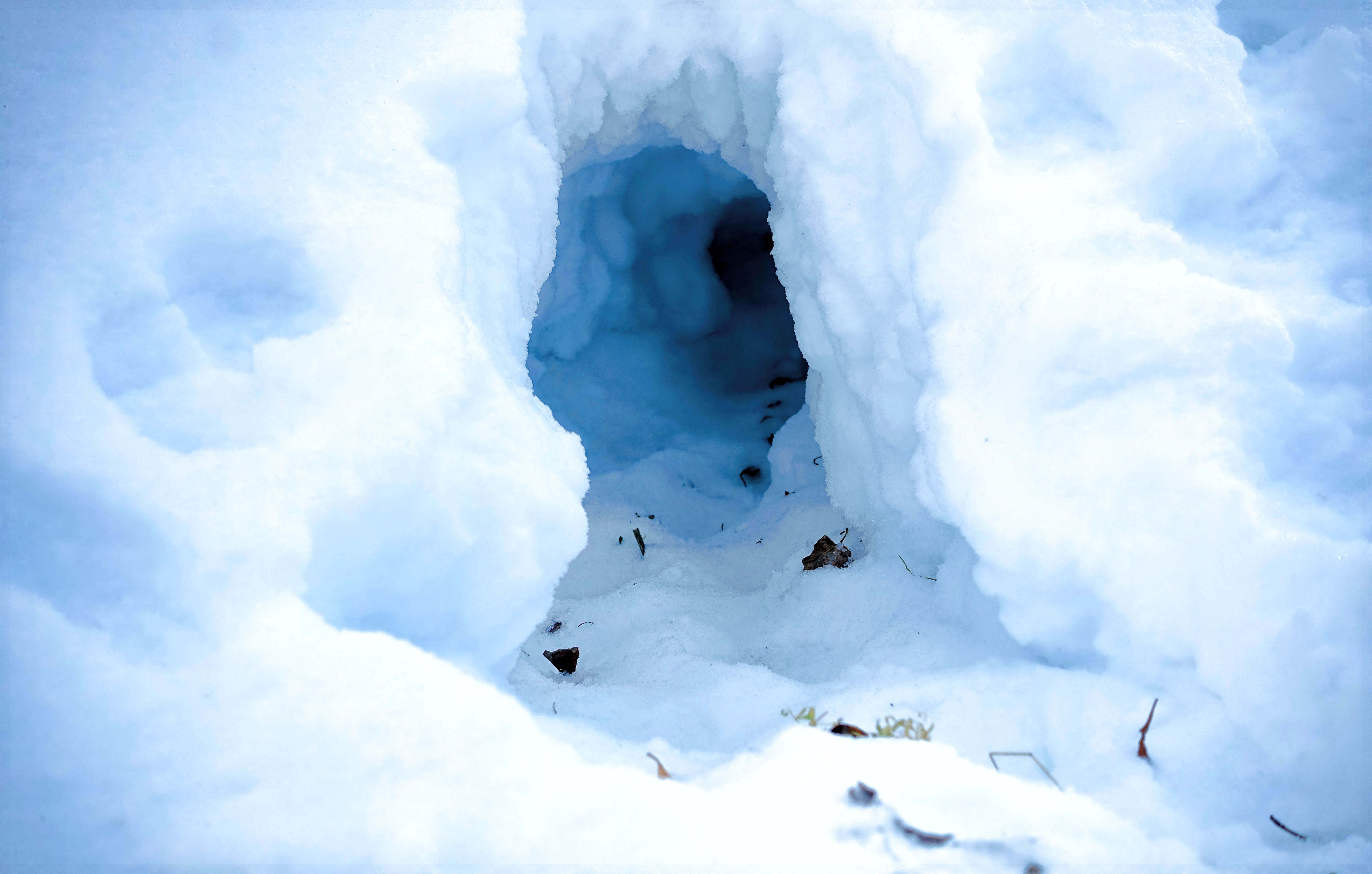
Snowfall refers to the new snow that has fallen. Snow depth, conversely, is the total accumulation of snow currently on the ground. This distinction is critical for understanding the cumulative impact of winter weather. In some instances, deep snow can create a canvas for wildlife, like a fox making a den in a snowbank.
Unusual Snow Phenomena
Beyond typical snow, certain phenomena are noteworthy:
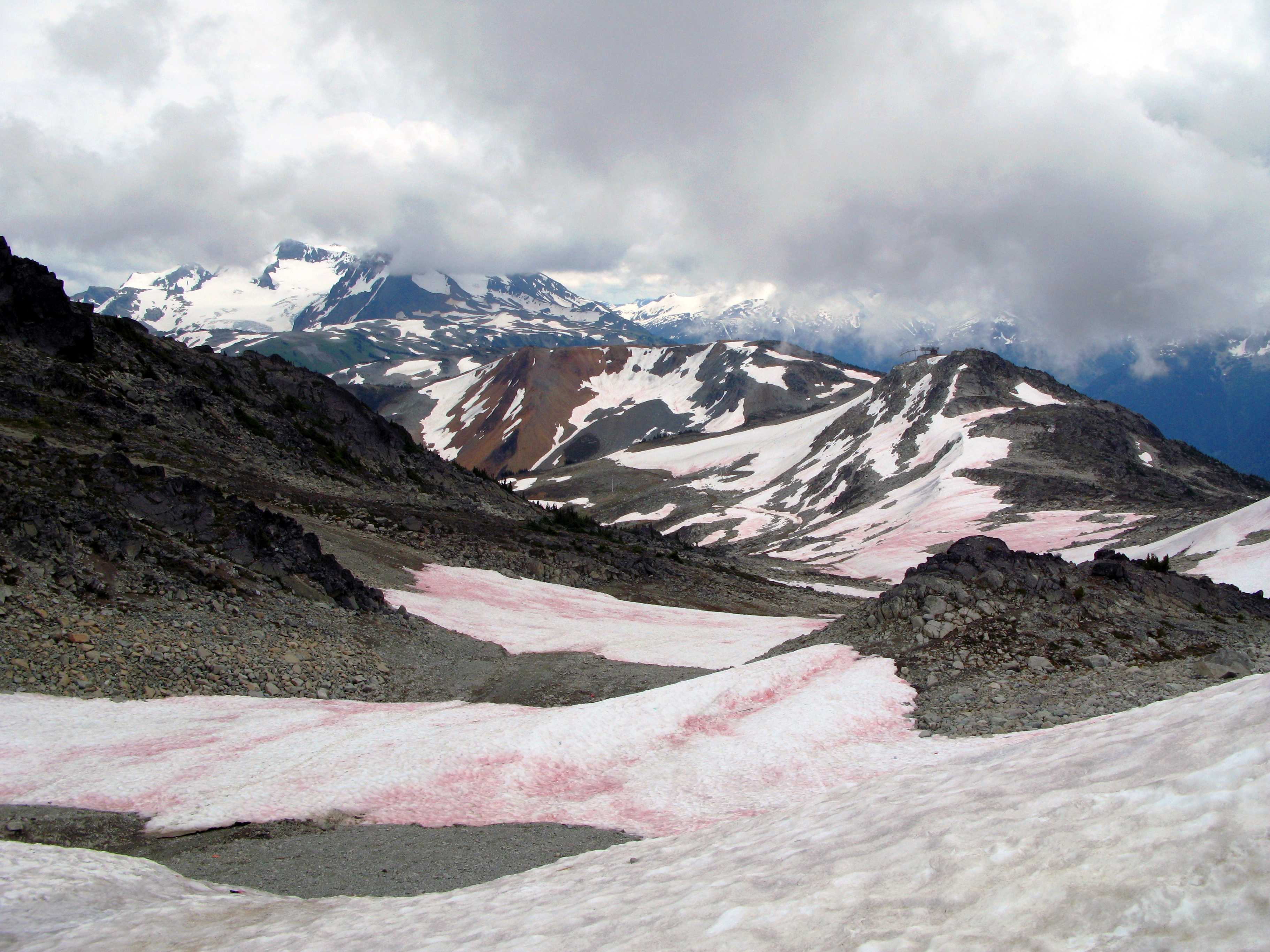
- Watermelon Snow: Algae blooms can tint snow red or pink, often found in alpine and polar regions.
- Dust and Sediment: Airborne dust can darken snowpack, accelerating melt. This dust can travel long distances, originating from arid regions or even wildfire debris.
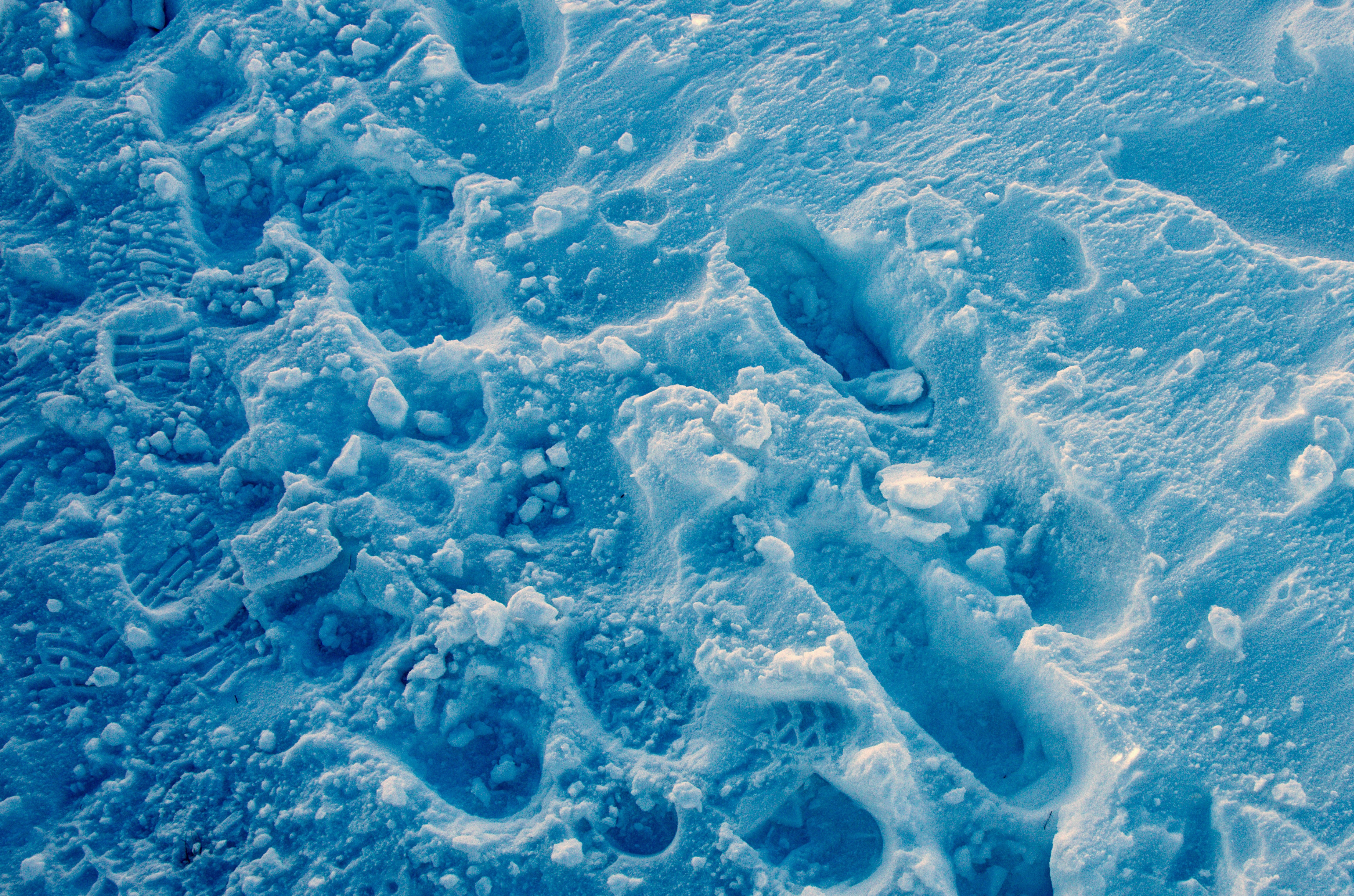
- Colored Snow: Deep snow can appear blue due to its filtering effect on light, absorbing red wavelengths more than blue.
- Frost Formations: While not snowfall, hoar frost and rime frost are related atmospheric ice deposits, creating delicate structures like flowers or coating grass.
- Sleet and Cornices: Sleet is frozen raindrops, distinct from snowflakes. Cornices are snowdrifts formed on steep slopes, particularly along ridges.
Meteorological Significance of Snow
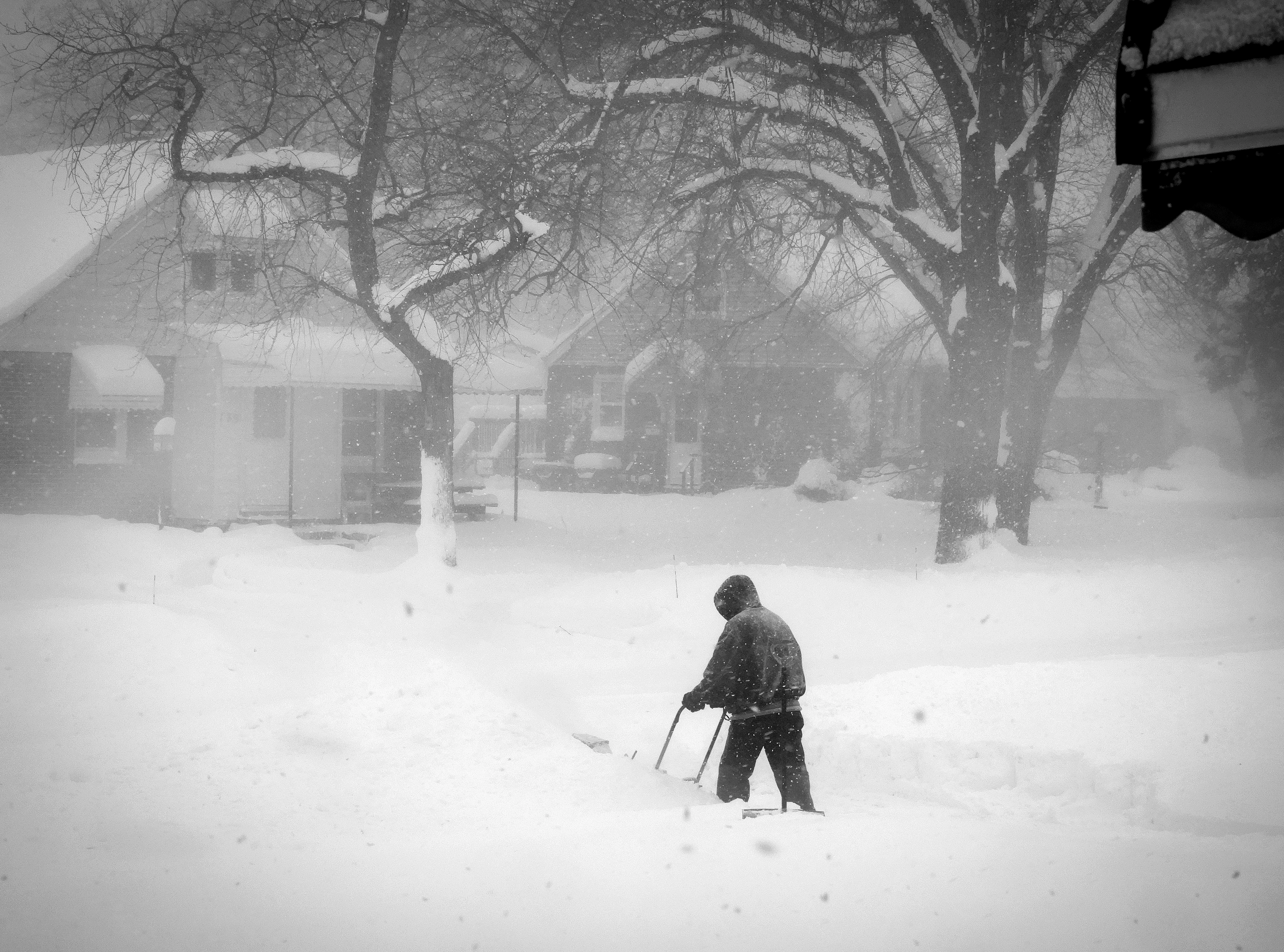
Snowfall is a key indicator of climate patterns. Its presence at sea level poleward of certain latitudes highlights global temperature distributions. The amount of snowpack influences water resources through meltwater. Understanding snowfall helps predict weather events, from light dustings to major blizzards.
Snow Measurement Guidelines
For those interested in contributing to meteorological data, resources like the Snow Measuring Guidelines provide in-depth information. These resources, often developed by climate centers, emphasize standardized practices for reliable data collection.
The Broader Context of Snow
Snow affects ecosystems, human activities, and climate. From its formation as ice crystals to its impact on landscapes, snow is a multifaceted phenomenon. The definition of snow encompasses its meteorological aspects and even metaphorical uses, like something resembling snow in desserts or slang terms. Whether it's a gentle snowfall or a fierce blizzard, understanding snow is key to appreciating our planet's dynamic weather systems.
Final Thoughts on Snow Measurement and Its Importance
Accurate snow measurement is more than just recording numbers; it's about contributing to a larger scientific understanding of our climate. By following established guidelines and utilizing appropriate tools, individuals can provide valuable data. The study of snow, from individual snowflakes to widespread snowfall events, continues to be a vital area of meteorological research, helping us better predict weather and understand climate change.
Comments (1)
Alice Green
13:24:02 21-07-2026Leave a Reply
Your email address will not be published. Required fields are marked *