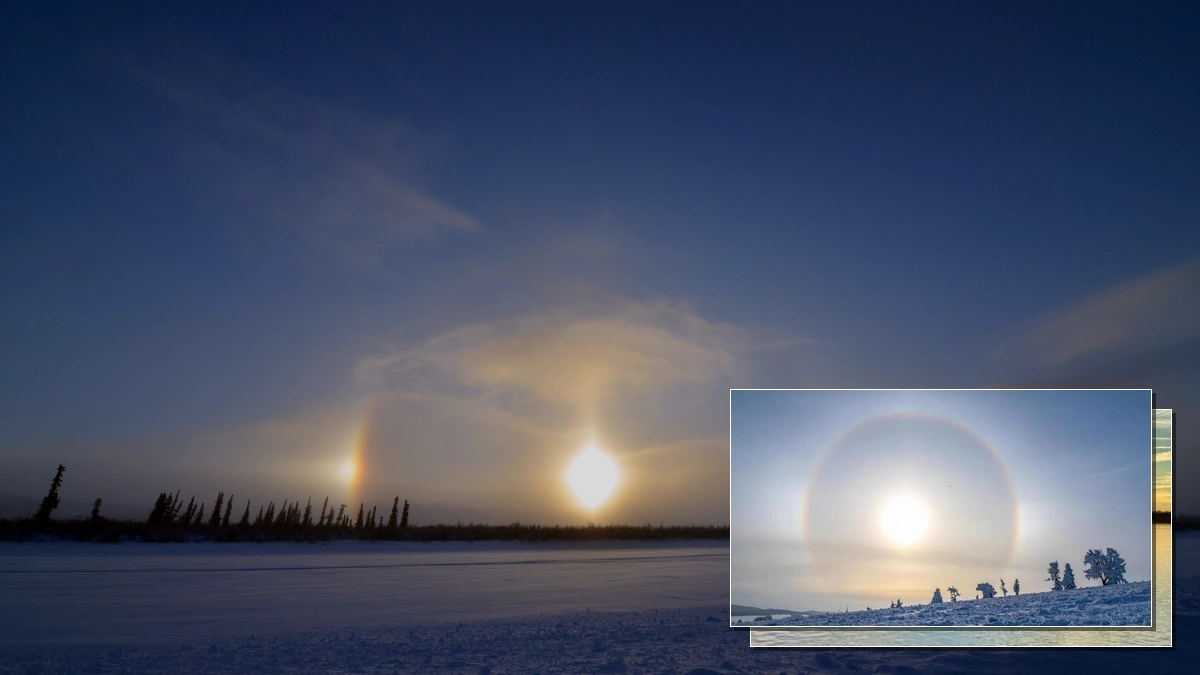
Understanding Crepuscular Rays: A Celestial Phenomenon Explained
The sky often presents us with breathtaking spectacles, and among the most enchanting are crepuscular rays. These beams of sunlight, appearing to radiate from a single point in the sky, add a dramatic flair to the atmosphere, particularly during sunrise and sunset. While they seem to diverge from the sun, their appearance is a fascinating interplay of light, perspective, and atmospheric conditions. Understanding crepuscular rays involves delving into the science behind their formation and appreciating their visual impact.
What are Crepuscular Rays?
Crepuscular rays are essentially columns of sunlight that become visible when they pass through gaps in clouds or are formed by objects like mountain peaks or trees partially obscuring the sun. The name 'crepuscular' itself means 'relating to twilight,' highlighting that these rays are most commonly witnessed during the early morning and late evening hours. They present a stunning visual effect, making sunlight appear as distinct beams.
The Science Behind the Spectacle
The appearance of crepuscular rays is a result of how light interacts with particles in the atmosphere. Sunlight is composed of various wavelengths, and when it encounters dust, haze, or water droplets, these particles scatter the light. This scattering makes the otherwise invisible light beams discernible to the human eye. The rays appear to diverge from the sun due to perspective, a phenomenon similar to how parallel lines, like train tracks, seem to converge in the distance. In reality, the light rays are parallel.
The Role of Atmospheric Conditions
For crepuscular rays to be visible, the atmosphere must contain a sufficient amount of haze or dust particles. These particles are crucial for scattering sunlight in unshadowed areas, making the beams visible against darker backgrounds, such as clouds or the deepening blue of the twilight sky. Without these scattering agents, the sunlight would simply pass through, and the beams would remain unseen.
Coloration of Crepuscular Rays
Crepuscular rays often exhibit warm hues of red and yellow. This coloration occurs because the shorter, blue wavelengths of sunlight are more readily scattered by air molecules (Rayleigh scattering) than the longer, red wavelengths. As sunlight travels through the atmosphere, particularly at sunrise and sunset when the light path is longer, much of the blue light is dispersed, leaving the red and yellow light to form the visible beams.
Anti-crepuscular Rays: A Counterpart Phenomenon
Complementing the crepuscular rays are anti-crepuscular rays. These rays appear to converge at the antisolar point, which is the point in the sky directly opposite the sun. They originate from the sun, travel across the celestial sphere, and then, due to the same effect of perspective, seem to converge at the horizon point opposite the sun. Observing anti-crepuscular rays provides another layer of wonder to atmospheric optics.
Factors Influencing Visibility
Several factors contribute to the visibility and intensity of crepuscular rays:
- Cloud Cover: Broken cloud layers, especially cumulus or stratocumulus clouds, are ideal for creating gaps through which sunlight can stream.
- Atmospheric Particles: The presence of dust, smoke, or water vapor in the air enhances the scattering of sunlight, making the rays more pronounced.
- Sun's Position: The phenomenon is most striking when the sun is low on the horizon, during sunrise or sunset, as this angle creates longer, more dramatic rays.
- Observer's Location: The angle from which the observer views the rays can influence their perceived shape and direction.
The Meaning and Interpretation of Crepuscular Rays
Beyond their scientific explanation, crepuscular rays have often been imbued with deeper meanings across cultures and spiritual traditions. The term 'Jacob's Ladder' is frequently associated with these rays, drawing a biblical parallel to the ladder seen in Jacob's dream, connecting earth to heaven. This connection often leads to interpretations of spiritual awakenings, divine messages, or transitions between realms. The crepuscular rays sunset phenomenon, in particular, can evoke feelings of peace, reflection, and awe, prompting contemplation on life's journey and the cyclical nature of time.
The spiritual meaning of crepuscular rays is often tied to hope and divine presence. Seeing these beams of light pierce through darkness can symbolize guidance, reassurance, or a connection to a higher power. It is believed by some that they represent moments of clarity or profound insight, appearing when one is most receptive to spiritual messages. The crepuscular rays effect, therefore, transcends mere atmospheric optics, touching upon the human desire for meaning and connection.
Distinguishing Crepuscular from Anti-crepuscular Rays
While both phenomena involve beams of sunlight, their apparent origin differs. Crepuscular rays appear to originate from the sun itself or the area around it, as observed from the observer's perspective. Anti-crepuscular rays, on the other hand, seem to originate from the antisolar point, directly opposite the sun. It's crucial to understand that both sets of rays are parallel; the difference in their perceived origin is purely a trick of perspective. The crepuscular rays vs anticrepuscular rays distinction lies solely in their apparent direction relative to the observer and the sun's position.
Capturing the Beauty: Photography Tips
Photographing crepuscular rays requires patience and an understanding of light. The key is to capture the contrast between the illuminated beams and the darker sky or clouds. Using a wide-angle lens can help capture the full expanse of the phenomenon. Experimenting with exposure settings is crucial to ensure the rays are well-defined without blowing out the highlights or underexposing the shadows. Remember that the best crepuscular rays sunset shots often occur in the minutes just before and after the sun dips below the horizon.
Conclusion: The Enduring Allure of Sunbeams
Crepuscular rays are a testament to the simple yet profound beauty that nature offers daily. They remind us that even common elements like sunlight, when interacting with atmospheric conditions and viewed through the lens of perspective, can create moments of extraordinary visual poetry. Whether appreciated for their scientific underpinnings or their perceived spiritual significance, these sunbeams continue to captivate and inspire all who witness them.

 20/07/2026