Understanding Sun Pillars: An Atmospheric Optical Phenomenon
The atmosphere, a dynamic envelope surrounding our planet, is responsible for much more than just the daily weather patterns we experience. From the gentle transition of a sunny day to the drama of a thunderstorm, and the quiet beauty of snowfall, it also harbors the capability to produce breathtaking visual displays. Among these are optical phenomena such as halos, sundogs, and the captivating sun pillars. To truly appreciate how these bursts of color and light manifest, a basic understanding of light itself is essential.
The Nature of Light and Atmospheric Optics
Light, in its most fundamental form, is electromagnetic radiation detectable by the human eye. This visible light spectrum is composed of all the colors that constitute a rainbow. A prism famously demonstrates this by refracting white light into its constituent spectral colors, ranging from deep reds to vibrant violets. When light interacts with atmospheric particles, such as ice crystals or water droplets, these optical effects can occur.
What Exactly is a Sun Pillar?
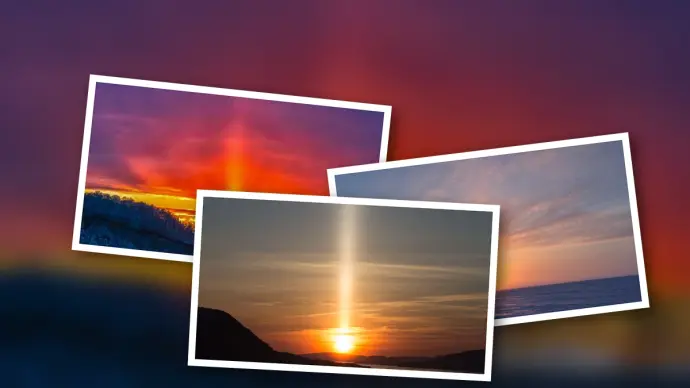
A sun pillar is an optical phenomenon that appears as a vertical shaft of light, extending upwards or downwards from a light source, most commonly the sun. This phenomenon occurs when light from the sun reflects off horizontally oriented ice crystals suspended in the atmosphere. The appearance of a sun pillar is often most dramatic during sunrise or sunset, when the sun is low on the horizon, because the light rays travel through more of the atmosphere, increasing the chances of encountering these ice crystals.
The formation of a sun pillar phenomenon is dependent on specific atmospheric conditions. For a sun pillar to form, ice crystals within clouds must be oriented horizontally. These plate-like crystals then act like tiny mirrors, reflecting sunlight. If the sun is below the horizon, the pillars appear to extend upwards; if the sun is above the horizon, the pillars can extend both upwards and downwards.
Conditions Favoring Sun Pillar Formation
Several factors contribute to the visibility and intensity of sun pillars:
- Presence of ice crystals: Cirrus or cirrostratus clouds, composed of ice crystals, are the most common carriers of this phenomenon.
- Crystal orientation: The ice crystals need to be relatively flat and oriented horizontally. This can happen as they fall through the air.
- Light source: A low sun, either just above or just below the horizon, provides the angle and intensity of light needed.

Distinguishing Sun Pillars from Other Optical Effects
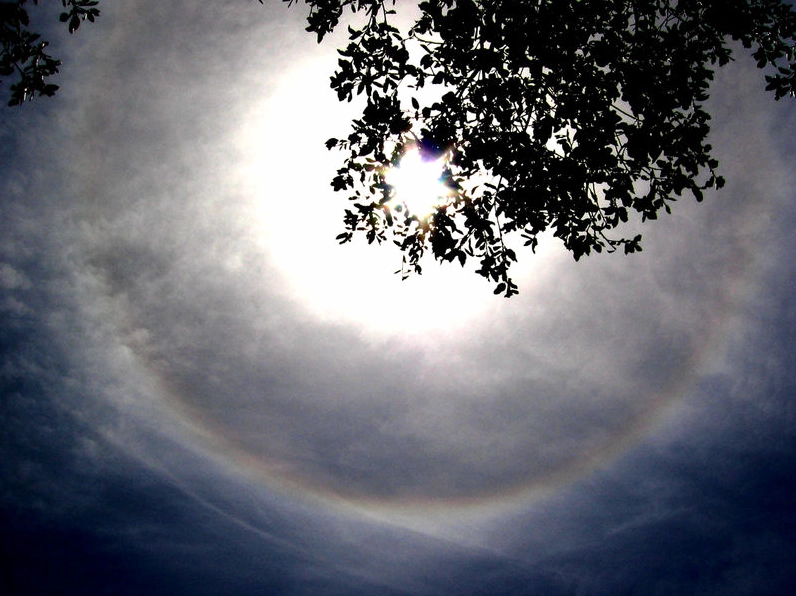
While sun pillars are part of a family of atmospheric optical phenomena, they are distinct from halos and sundogs. A halo typically appears as a ring of light around the sun or moon, caused by refraction of light through ice crystals. Sundogs, or parhelia, are bright spots of light appearing to the left and right of the sun, also formed by refraction through horizontally oriented ice crystals.
The sun pillar sunset, in particular, is a popular sight. It creates a dramatic visual effect, making the setting sun appear even more majestic. Similarly, a sun pillar sunrise can herald the start of a new day with a stunning display of light. Understanding the physics behind these events helps demystify their appearance and appreciation.
The Spiritual and Symbolic Meaning of Sun Pillars
Beyond the scientific explanation, some cultures and individuals ascribe spiritual or symbolic meanings to natural phenomena like sun pillars. The sun pillar spiritual meaning can vary widely, often associated with divine presence, guidance, or a bridge between the earthly and celestial realms. Its appearance can be interpreted as a sign of hope, clarity, or a moment of profound natural beauty connecting the viewer to something larger than themselves.

A Colorful Spectacle: Sun Pillars and Rainbows
While not directly creating a rainbow, the conditions that produce a sun pillar can sometimes coincide with other light phenomena. A sun pillar rainbow is not a standard term, as rainbows are formed by water droplets and a different light interaction (dispersion and reflection). However, the presence of ice crystals that form sun pillars can, under specific conditions, lead to other ice-crystal optical effects that might be perceived alongside or mistaken for rainbow-like colors. The light itself, composed of all colors, is the fundamental element for both phenomena.
Capturing the Moment: Photography Tips
Photographing sun pillars requires attention to detail to capture their ethereal beauty. Here are a few tips:
- Timing is key: Aim for sunrise or sunset when the sun is low.
- Composition: Include foreground elements to provide scale and context.
- Exposure: Be mindful of the dynamic range between the bright pillar and darker sky. Bracketing exposures can be useful.
- Focus: Ensure sharp focus on the pillar itself.

Conclusion: Appreciating Atmospheric Art
Sun pillars are a testament to the intricate beauty of atmospheric optics. Formed by the simple reflection of light off horizontally aligned ice crystals, they transform ordinary sunrises and sunsets into extraordinary visual spectacles. Whether you view them as a scientific marvel or a moment of spiritual significance, these pillars of light serve as a beautiful reminder of the wonders our atmosphere holds. Keep looking up; you might just catch sight of one of nature's most elegant light shows.
Comments (0)
No comments yet. Be the first to share your thoughts!
Leave a Reply
Your email address will not be published. Required fields are marked *