Understanding Blood Rain: Causes, Frequency, and Historical Context
Rainfall is a common occurrence, but what happens when it appears in a striking red hue? This phenomenon, colloquially known as 'blood rain,' captures attention and sparks curiosity. While not a formal meteorological term, it describes rain colored red by the presence of specific particles. Understanding the causes behind this unusual weather event requires looking at atmospheric conditions and historical context.
What Exactly is Blood Rain?
Blood rain is essentially rain that appears red due to the suspension of red-colored dust or particles within the water droplets. It is important to note that this is not a scientific classification but rather a descriptive phrase used for centuries. The intensity of the red color depends on the concentration of these particles in the atmosphere.
The Mechanism Behind Blood Rain Formation
The formation of blood rain is intricately linked to powerful weather systems. Here's how it happens:
- Particle Lifting: Strong winds, often associated with storms or dust storms, lift large quantities of fine dust and sand particles from arid regions into the atmosphere.
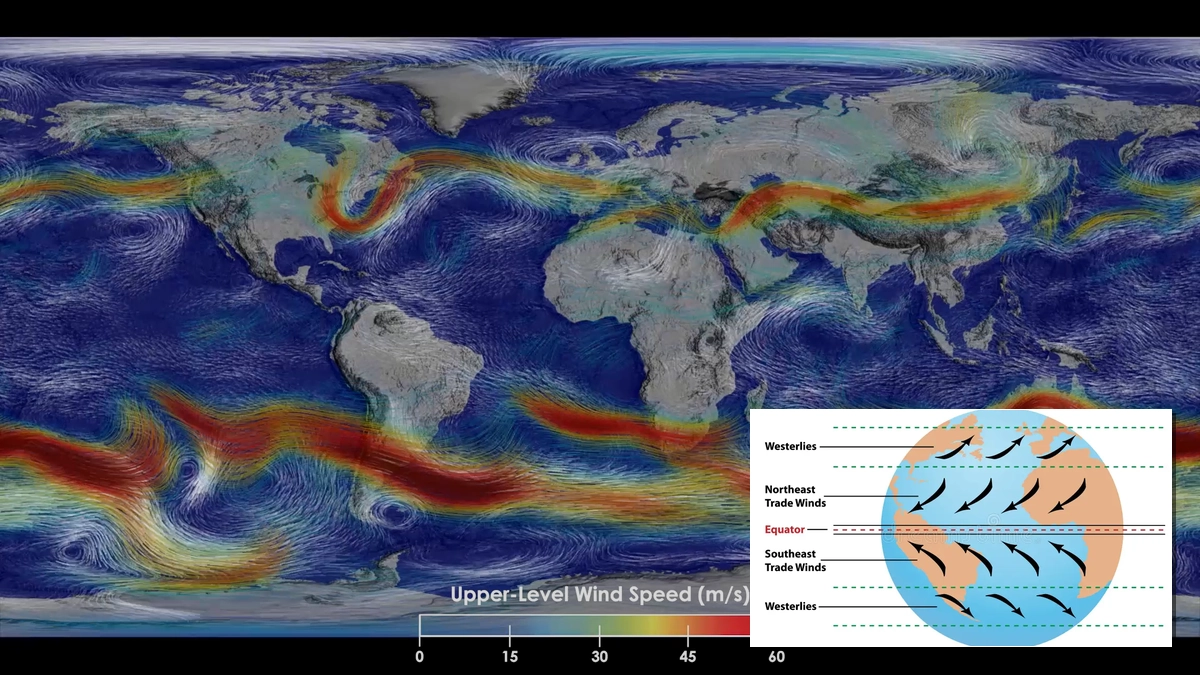
- Long-Distance Transport: These airborne particles can be carried thousands of miles by prevailing winds and atmospheric circulation patterns.
- Mixing with Precipitation: Eventually, these particles either settle due to gravity or are caught up in rain clouds. As the clouds release rain, the water droplets mix with the suspended red dust, resulting in the rain appearing red as it falls.
A prime example of the scale of dust transport can be seen in satellite imagery, such as images depicting dust storms over regions like Saudi Arabia, where vivid pink colors highlight vast dust plumes.
Historical Accounts and Perceptions of Blood Rain
The phenomenon of blood rain has been documented throughout history, often associated with supernatural beliefs and omens. One of the earliest known mentions appears in Homer's Iliad, an epic poem dating back to approximately the 8th Century BC, which recounts events surrounding the siege of Troy. During that era, such occurrences were frequently interpreted as ill omens, reflecting a deep-seated human tendency to attribute extraordinary natural events to divine or supernatural intervention.
These historical interpretations highlight how unusual natural phenomena have shaped cultural narratives and beliefs across different civilizations. The perception of blood rain has evolved significantly from ancient times to the present day, moving from omens to scientific inquiry.
Frequency and Global Occurrences of Blood Rain
True blood rain, characterized by a distinctly red downpour, is a relatively rare event. This rarity stems from the specific conditions required: a significant concentration of red dust or particles must be present in the atmosphere and subsequently mix with rainfall.
Notable documented instances include:
- Kerala, India (2001): During the monsoon season, residents of the southern Indian state of Kerala experienced periodic rainfall that was distinctly red, dark enough to stain clothing. This event also reportedly included rains of other unusual colors, such as green and yellow, during the same period.
These occurrences underscore the global nature of atmospheric dust transport and its potential impact on weather patterns, even in seemingly unrelated regions. The phenomenon of bloody rain is a stark reminder of Earth's dynamic atmospheric processes.
Blood Rain in the United Kingdom: A Looser Interpretation
In contemporary times, particularly in the UK, the term 'blood rain' is often used more loosely than its historical or dramatic implications might suggest. While it is common for rain in the UK to contain small amounts of dust, especially those originating from the Sahara Desert, the concentrations are typically very low.
This dust, usually yellow or brown, mixes with clouds and falls as rain. However, the low concentration means the rain usually looks no different from normal rainfall. The primary evidence might be a faint film of dust left on vehicles or windows after the water evaporates. Therefore, 'proper' blood rain, as defined by a visibly red downpour, is exceptionally uncommon in the UK, despite occasional media sensationalism.
Distinguishing Blood Rain from Other Phenomena
It is crucial to differentiate true blood rain from other occurrences that might mimic its appearance. For instance, algal blooms in water bodies can sometimes cause discoloration that might be mistaken for red rain if contaminated water is splashed during a storm. However, blood rain specifically refers to precipitation colored by atmospheric dust. The term 'bloody rain' might also appear in contexts unrelated to weather, such as in song titles like 'Bloody Rain' by Dust Bolt, which explores different themes entirely.
While the scientific basis for blood rain is understood, the infrequency of highly concentrated dust events means true blood rain remains a rare and noteworthy atmospheric event. Understanding its causes helps demystify these colorful rainfall occurrences and appreciate the complex processes shaping our planet's climate and environment.

 21/07/2026