Nimbostratus Clouds: Understanding the Gentle Rain Producers
Understanding the nuances of cloud formations is key to comprehending weather patterns. Among the diverse array of clouds, Nimbostratus clouds stand out as consistent producers of precipitation. These clouds are characterized by their dark gray appearance, ragged bases, and low altitude in the sky. Often covering vast expanses, they can sometimes obscure the edges, making the sky appear as a uniform, gloomy ceiling.
Key Nimbostratus Characteristics:
- Appearance: Dark gray, featureless, and often ragged.
- Altitude: Low to middle cloud levels, with bases near the ground.
- Precipitation: Responsible for continuous rain or snow.
- Distinction: Differentiated from Cumulonimbus by the type and duration of precipitation.
Defining Nimbostratus Clouds
Nimbostratus clouds are defined as a dark, featureless layer cloud primarily responsible for rainy and snowy weather. The name itself, derived from Latin, combines 'nimbo-' meaning rain and 'strato-' meaning layer, aptly describing their function. Unlike other cloud types, Nimbostratus are less about dramatic weather events and more about persistent, widespread precipitation.
These clouds are typically classified as multilevel clouds, meaning their base can be quite close to the ground, but their tops can extend into the middle cloud levels. The significant thickness of a Nimbostratus cloud contributes to its darker, more ominous appearance compared to lighter cloud formations. Out of the ten main cloud types, only two are consistently associated with precipitation: Nimbostratus and Cumulonimbus.
Nimbostratus Clouds vs. Cumulonimbus Clouds
While both Nimbostratus and Cumulonimbus clouds are precipitation producers, their weather associations differ significantly. Nimbostratus clouds are known for generating steady, continuous rain or snow that can last for extended periods. This type of precipitation often leads to dreary, overcast conditions.
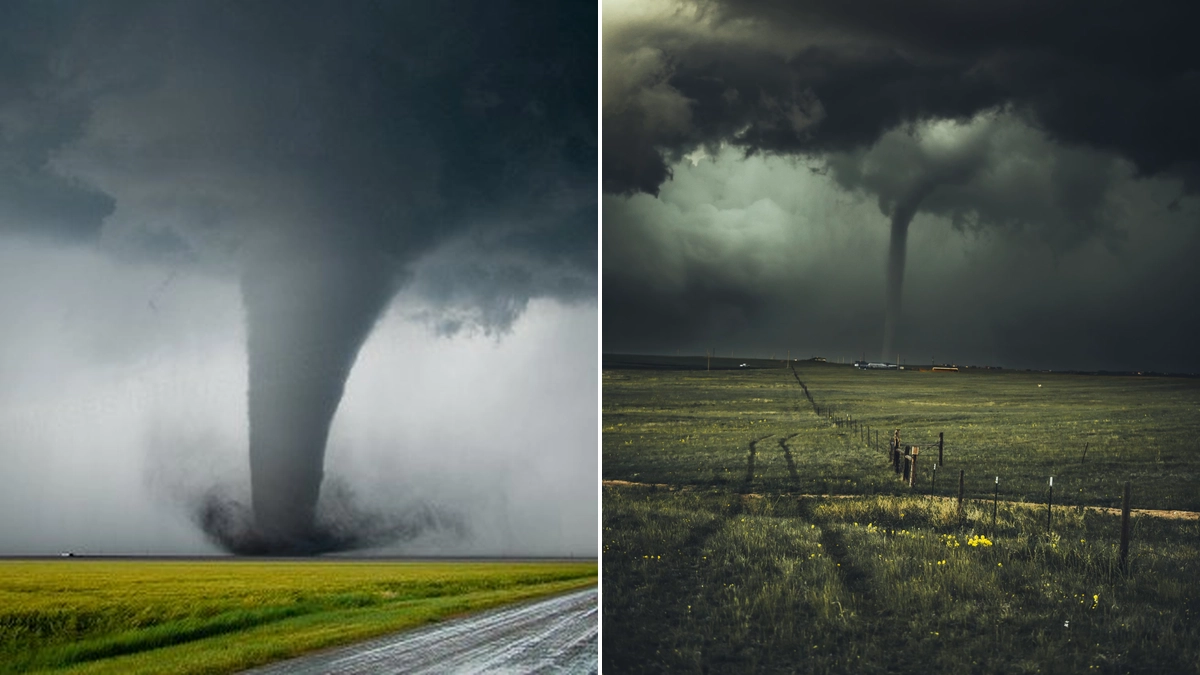
In contrast, Cumulonimbus clouds are associated with more severe and dramatic weather phenomena. These include thunderstorms, heavy downpours, hail, and sometimes even tornadoes. While Nimbostratus clouds bring gentle, persistent moisture, Cumulonimbus clouds deliver intense, often short-lived, weather events.
Characteristics and Cloud Facts
Delving deeper into the specifics, Nimbostratus clouds possess several distinct features:
| Attribute | Details |
|---|---|
| Cloud Level (Étage) | Middle, though the cloud base extends into the lower cloud level. |
| Altitude/Height | 0.5-5.5 km (2,000-18,000 ft) |
| Latin Term Origin | 'Nimbo-' meaning rain, and 'strato-' meaning layer. |
| Abbreviation | Ns |
| Cloud Color | Light gray to very dark gray. |
| Precipitation Potential | High; responsible for continuous precipitation. |
The visual information from nimbostratus clouds images often depicts a uniform gray sky, sometimes with visible rain shafts. These clouds are crucial components of the Earth's water cycle, providing essential moisture for ecosystems and human activities. Understanding nimbostratus clouds information helps meteorologists forecast weather more accurately.
The Weather Associated with Nimbostratus
The weather associated with Nimbostratus clouds is generally characterized by its predictability and persistence. If you are experiencing a day with continuous rain or snow, and the sky is covered by a thick, gray layer, you are likely witnessing the effects of Nimbostratus clouds. These clouds are the quintessential precipitation layer, often causing outdoor activities to be postponed due to the prolonged wet conditions.
Their atmospheric presence indicates a stable, moist environment where condensation processes are continuously occurring. While they may not bring the dramatic excitement of a thunderstorm, their role in providing steady, life-sustaining precipitation is indispensable for many regions.
Conclusion: The Role of Nimbostratus in Our Climate
In summary, Nimbostratus clouds are vital atmospheric phenomena that play a crucial role in delivering consistent precipitation. Their dark, featureless appearance and low-to-mid altitude signify impending or ongoing rain or snow. By understanding the differences between Nimbostratus clouds and other types like Cumulonimbus, we gain a clearer picture of weather forecasting and the dynamics of our atmosphere.
Next time you observe a sky filled with a uniform gray layer and experience continuous rain, you'll know you're under the influence of a Nimbostratus cloud. Continue to explore more about cloud types and weather phenomena to deepen your understanding of the natural world around us.

 21/07/2026