Understanding Tropical Storms: Definitions, Differences, and Safety
The Nature of Tropical Storms and Hurricanes
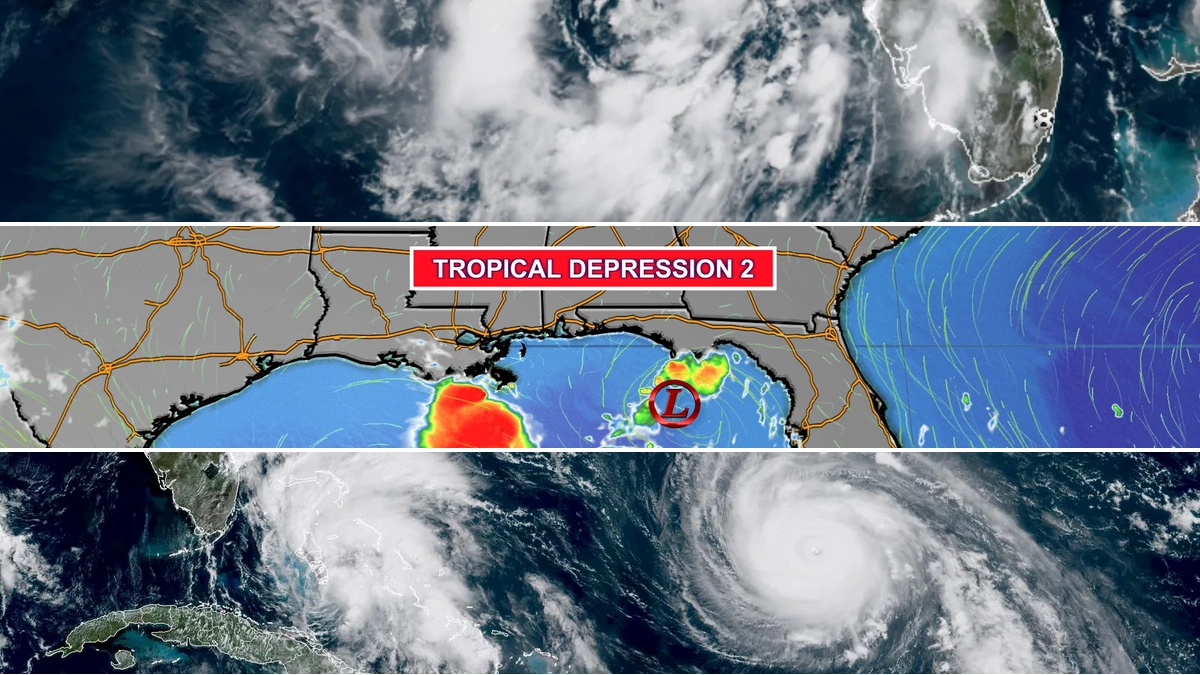
Tropical storms and hurricanes are significant weather phenomena that frequently impact coastal regions, particularly in the United States along the Gulf Coast. While often discussed together, they represent different stages and intensities of a "tropical cyclone." A tropical cyclone is fundamentally a low-pressure system that rotates and forms over tropical or subtropical waters. The critical factor distinguishing a tropical storm from a hurricane is its maximum sustained surface wind speed.
Defining Tropical Storms
A tropical storm is characterized by sustained wind speeds ranging from 39 to 73 miles per hour (mph). These storms typically bring heavy rainfall, which, combined with strong winds, can lead to substantial property damage, including severe flooding. As wind speeds increase, a tropical storm can intensify and be reclassified as a hurricane. Understanding the characteristics of a tropical storm is the first step in effective preparation.
Understanding Hurricanes and the Saffir-Simpson Scale
Hurricanes represent a more severe category of tropical cyclones, featuring sustained wind speeds of 74 mph or greater. Due to their higher wind speeds, hurricanes pose a significantly greater risk to life and property compared to tropical storms, though both can cause extensive damage. The severity of hurricanes is quantified using the Saffir-Simpson Hurricane Wind Scale. This scale categorizes hurricanes from Category 1 (least severe, 74-95 mph winds) to Category 5 (most severe, 157 mph or higher winds), based on maximum sustained wind speed. Being aware of the storm's category is vital for residents in its projected path.
Other Tropical Weather Definitions
The National Weather Service (NWS) uses specific terminology to describe various stages and types of tropical weather systems, aiding in clear communication and forecasting:
- Tropical Wave: An inverted trough or a cyclonic curvature of wind moving from east to west across the tropics. These can be precursors to tropical cyclone formation. Also known as an easterly wave.
- Tropical Disturbance: A localized weather system in the tropics or subtropics, generally 100-300 miles in diameter, characterized by organized convection and a non-frontal migratory nature. It maintains its identity for at least 24 hours and may or may not have an associated wind field perturbation.
- Tropical Cyclone: A large-scale, warm-core, non-frontal storm system originating over tropical or subtropical waters. It features organized deep convection and a closed surface wind circulation around a well-defined center. Its energy is derived from ocean heat.
- Potential Tropical Cyclone (PTC): A designation used by the NWS for a disturbance that has not yet developed into a tropical cyclone but is expected to bring tropical storm or hurricane conditions to land within 48 hours.
- Invest: A weather system for which a tropical cyclone forecast center is monitoring and collecting specialized data, often for running model guidance.
Distinguishing Tropical Storms from Hurricanes: A Wind Speed Comparison
The primary differentiator between a tropical storm and a hurricane lies in their sustained wind speeds. This distinction is crucial for issuing timely warnings and preparing appropriate safety measures.
| Weather System | Sustained Wind Speed (mph) | Severity Level |
|---|---|---|
| Tropical Storm | 39 - 73 | Moderate damage potential; heavy rainfall and flooding risk. |
| Hurricane (Category 1-5) | 74+ | High to catastrophic damage potential; severe winds, storm surge, and flooding. |
Safety and Preparedness in Hurricane Season
Living in or near areas prone to tropical storms and hurricanes necessitates proactive safety measures. The NWS provides extensive resources, including preparedness guides and real-time forecasts, to help individuals and communities prepare for these events. Early awareness of storm development, understanding evacuation orders, and having a well-stocked emergency kit are fundamental aspects of hurricane preparedness. The 2026 hurricane season serves as a reminder of the importance of staying informed and prepared.
While the focus is often on coastal areas, interior states can also experience significant impacts from tropical storms and hurricanes that move inland, primarily through heavy rainfall and flooding. Therefore, comprehensive awareness and preparedness are essential for everyone in the potential path of these powerful weather systems.
Navigating the 2026 Hurricane Season
As the 2026 hurricane season unfolds, staying updated with official advisories from meteorological services is paramount. Resources like the NWS Mobile/Pensacola office provide localized forecasts and crucial information. Remember to learn about rip current risks if you plan to be near beaches, as these are a significant weather-related danger along the Gulf Coast.
Understanding the nuances between a tropical storm and a hurricane, along with other tropical weather definitions, empowers individuals to make informed decisions during threatening weather situations. Preparedness remains the most effective strategy against the impacts of these natural phenomena.

 21/07/2026