Understanding the Nor'easter Storm: Definition, Formation, and Impact
Chances are, you’ve heard the term “nor’easter” at least once. But what exactly is it? And how dangerous can this weather event get? In short, these powerful winter storms can cause gale force winds, abundant snow, and torrential rain, which may lead to flooding. This article covers need-to-know items regarding these unique winter storms.
Key takeaways about Nor'easters:
- A Nor'easter is a storm along the East Coast of North America characterized by northeasterly winds.
- Most frequent and violent between September and April, they can cause significant damage, disruption, and coastal flooding.
- They form between Georgia and New Jersey and typically move northeastward, intensifying near New England.
Defining a Nor'easter Storm
A Nor'easter is a storm characterized by its location along the East Coast of North America and the characteristic northeasterly winds that define its name. These storms can occur at any time of year, but they are most frequent and most violent during the period between September and April. Historically, Nor'easters have been responsible for billions of dollars in damage, severe economic and transportation disruptions, and significant human impact, including disastrous coastal flooding in some instances. The U.S. East Coast provides an ideal environment for the formation of these powerful weather systems.
Some well-known Nor'easters that have left a significant mark include the Blizzard of 1888, the "Ash Wednesday" storm of March 1962, the New England Blizzard of February 1978, the March 1993 "Superstorm," and the Boston snowstorms of January and February 2015. The damage from the most severe storms can easily exceed a billion dollars, highlighting the destructive potential of a Nor'easter.
How and Where Nor'easters Form
Nor'easters typically develop in the latitudes between Georgia and New Jersey, usually within 100 miles east or west of the East Coast. These systems then progress generally northeastward, typically attaining maximum intensity near New England and the Maritime Provinces of Canada. The formation process is driven by a significant temperature difference between cold Arctic air and warm air originating from the Gulf of Mexico and the Atlantic Ocean.
During winter, the polar jet stream transports cold Arctic air southward across Canada and the United States. This cold air then moves eastward toward the Atlantic Ocean. Simultaneously, warm air from the Gulf of Mexico and the Atlantic attempts to move northward. The warm waters of the Gulf Stream help keep the coastal waters relatively mild, which in turn warms the cold winter air above the water. This contrast between the cold land air and the warmer, moist air over the ocean provides the essential fuel that powers Nor'easters.
Impacts and Hazards Associated with Nor'easters
Nor'easters nearly always bring precipitation in the form of heavy rain or snow. Accompanying these are winds of gale force, rough seas, and, occasionally, coastal flooding. The heavily populated region between Washington D.C., Philadelphia, New York, and Boston, often referred to as the “I-95 Corridor,” is particularly impacted by these storms.
The consequences of these storms can be severe. Gale force winds can cause widespread power outages and structural damage. Heavy snowfall can paralyze transportation networks, making travel impossible and isolating communities. Torrential rain can lead to flash floods and exacerbate coastal flooding, inundating low-lying areas and causing significant property damage. These storms underscore the importance of preparedness for residents along the East Coast.
Nor'easter vs. Hurricane: Key Differences
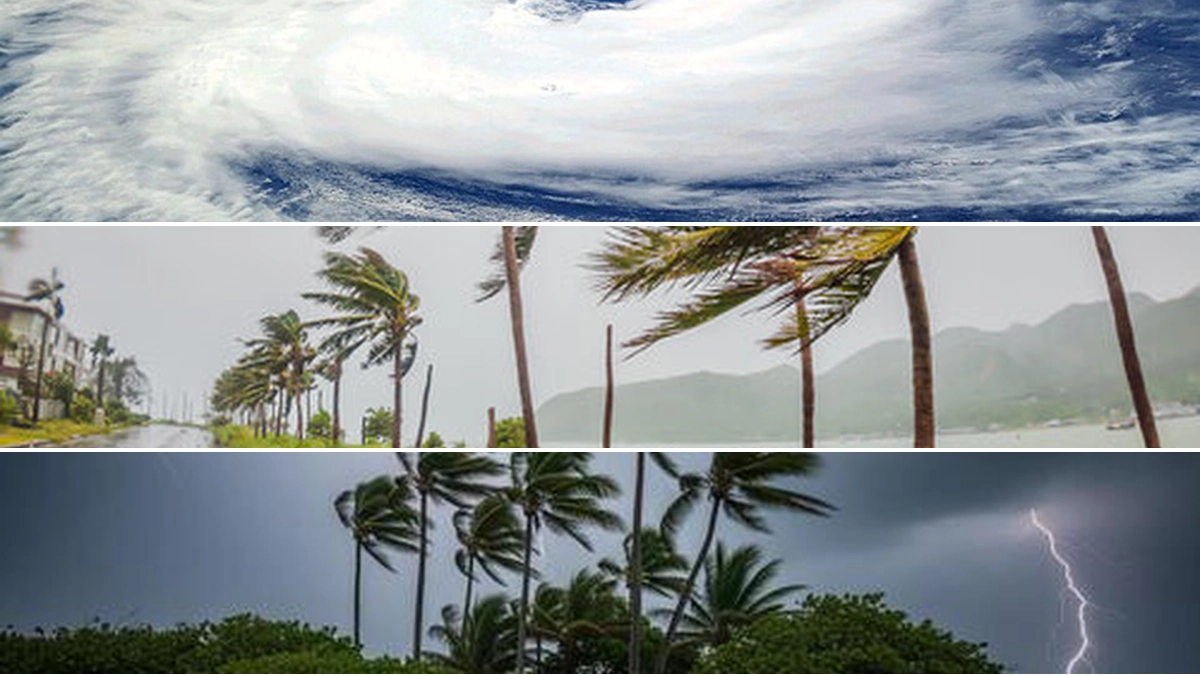
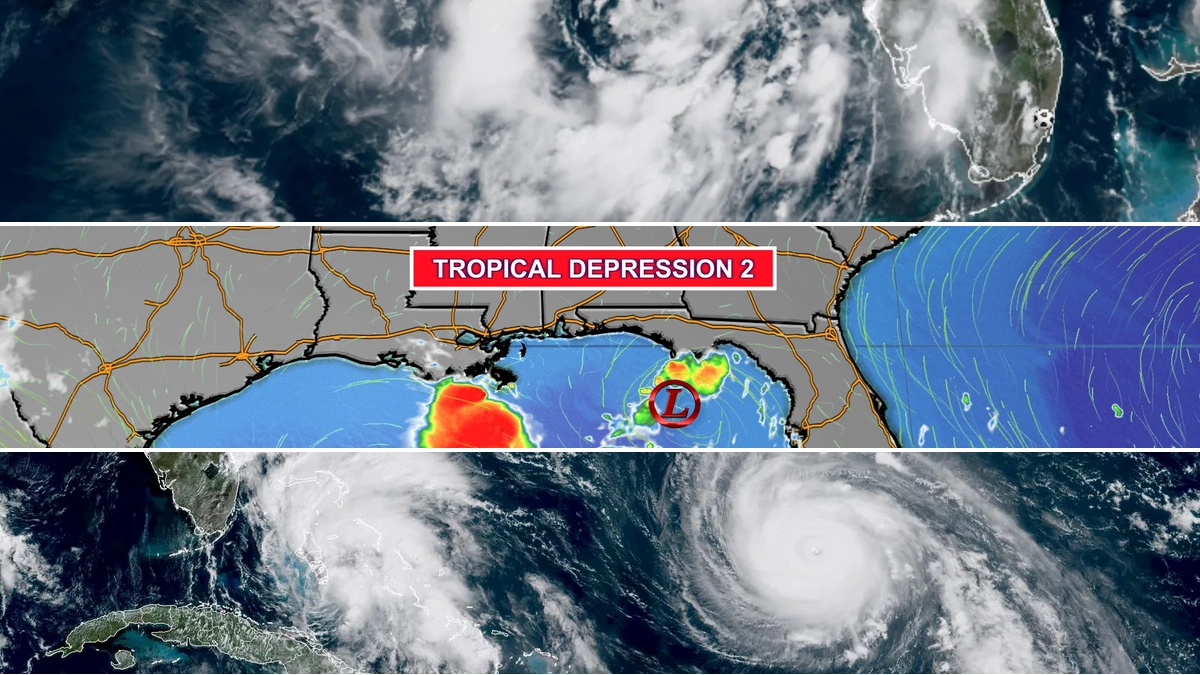
While Nor'easters and hurricanes can appear similar on satellite imagery, they are distinct weather phenomena with different origins and characteristics. Understanding these differences is crucial for accurate forecasting and preparedness.
Formation Location: Hurricanes originate over warm tropical waters near the equator, whereas Nor'easters form off the East Coast of the United States in cooler northern waters.
Energy Source: Hurricanes thrive on warm, moist air, while Nor'easters are fueled by the temperature contrast between cold Arctic air and warmer maritime air.
Seasonality: Nor'easters typically occur between September and April, while hurricane season is most active from June to November.
Preparing for and Staying Safe During a Nor'easter
Weather forecasters at the National Weather Service (NWS) continuously monitor conditions conducive to Nor'easters, especially during the fall and winter. When favorable conditions are detected, they may issue watches for winter storms, blizzards, high winds, and coastal floods. If conditions become imminent, these watches are upgraded to warnings.
It is crucial to stay informed by following official weather sources. If a Nor'easter threatens your area, take proactive steps to prepare:
- Assemble a disaster supplies kit with at least three days of food, water, and other essential provisions.
- Develop an emergency communications plan with your family to ensure everyone knows how to stay in touch if separated.
- Stay off the roads if advised by local authorities, and never drive through flood waters.
These simple actions can significantly enhance your safety during a Nor'easter. For those seeking to understand more about storm preparedness and response, resources from agencies like the Massachusetts Emergency Management Agency provide valuable guidance.
The Broader Impact of Nor'easters
The impact of Nor'easters extends beyond immediate weather conditions. They can cause billions of dollars in damage, disrupt supply chains, affect public transportation, and lead to prolonged power outages. The economic consequences can be substantial, affecting businesses and communities for extended periods. Understanding the nor'easter meaning involves recognizing its potential for widespread disruption.
While the term "nor'easter" is primarily associated with severe weather events, it's interesting to note the tangential use of similar terms in sports, such as "nor'easters baseball" or "nor'easter hockey," often referring to teams or events in affected regions. However, the primary and most critical understanding of a nor'easter relates to its meteorological significance and the safety precautions required.
Staying informed about weather forecasts and heeding warnings are crucial steps in mitigating the risks associated with these powerful storms. For instance, following weather.gov provides access to the latest forecasts and warnings, enabling better preparation.
Staying Prepared and Resilient
When a nor'easter damages your home or business, recovery can be a challenging process. Companies specializing in disaster recovery, like SERVPRO®, can offer assistance. However, the primary focus should always be on prevention and preparedness. Understanding the nor'easter storm's characteristics allows individuals and communities to implement effective safety measures and response plans.
For those living in at-risk areas, maintaining an emergency preparedness kit and having a family communication plan are essential steps. These measures ensure that during and after a storm, you and your loved ones can stay safe and connected. Always prioritize official guidance from meteorological services and local authorities to navigate these events successfully.
 21/07/2026