Hurricane vs. Typhoon: Understanding the Difference
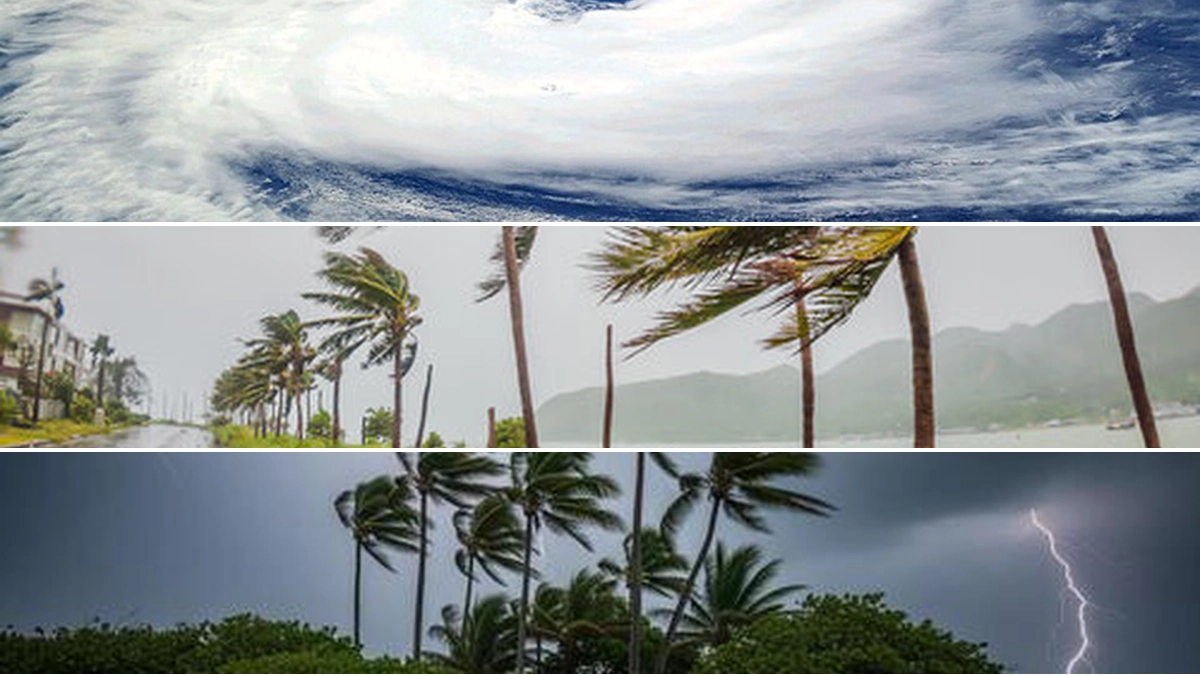
Hurricanes and typhoons are essentially the same weather phenomenon: a tropical cyclone. The distinction lies solely in the geographical location where they form. They develop over warm ocean waters, have a rotating system of clouds and thunderstorms, and reach sustained wind speeds of at least 74 miles per hour to earn their respective titles.
What is a Tropical Cyclone?
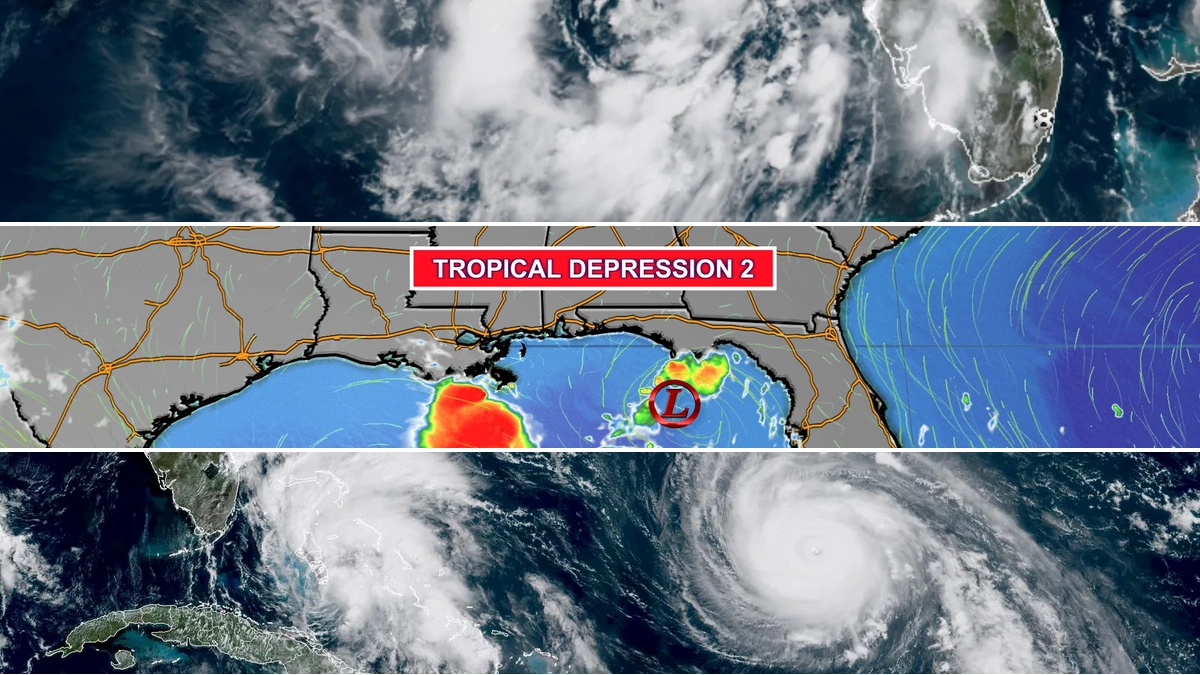
A tropical cyclone is a rotating, organized system of clouds and thunderstorms that originates over tropical or subtropical waters. These systems are characterized by a closed, low-level circulation. They begin as tropical depressions, intensify into tropical storms as their wind speeds increase, and finally become hurricanes or typhoons when sustained winds reach 74 miles per hour or higher.
The Defining Factor: Location
The primary difference between a hurricane and a typhoon is their location. Meteorologists assign these names based on the ocean basin in which the storm forms:
- Hurricanes: Occur over the North Atlantic Ocean, the central North Pacific Ocean, or the eastern North Pacific Ocean. Regions commonly affected include Florida, the Caribbean Islands, Texas, and Hawaii.
- Typhoons: Form over the Northwest Pacific Ocean, typically impacting East Asia.
If an intensified tropical cyclone hovers over any other region, it is generally referred to simply as a tropical cyclone.
Understanding Storm Intensity and Categories
Beyond their regional names, hurricanes are further classified by intensity using a category system. In the United States, the Saffir-Simpson Hurricane Wind Scale is used, categorizing storms from Category 1 (74-95 mph winds) to Category 5 (157+ mph winds). This classification helps to communicate the potential for damage associated with a storm.
The Science Behind Tropical Cyclones
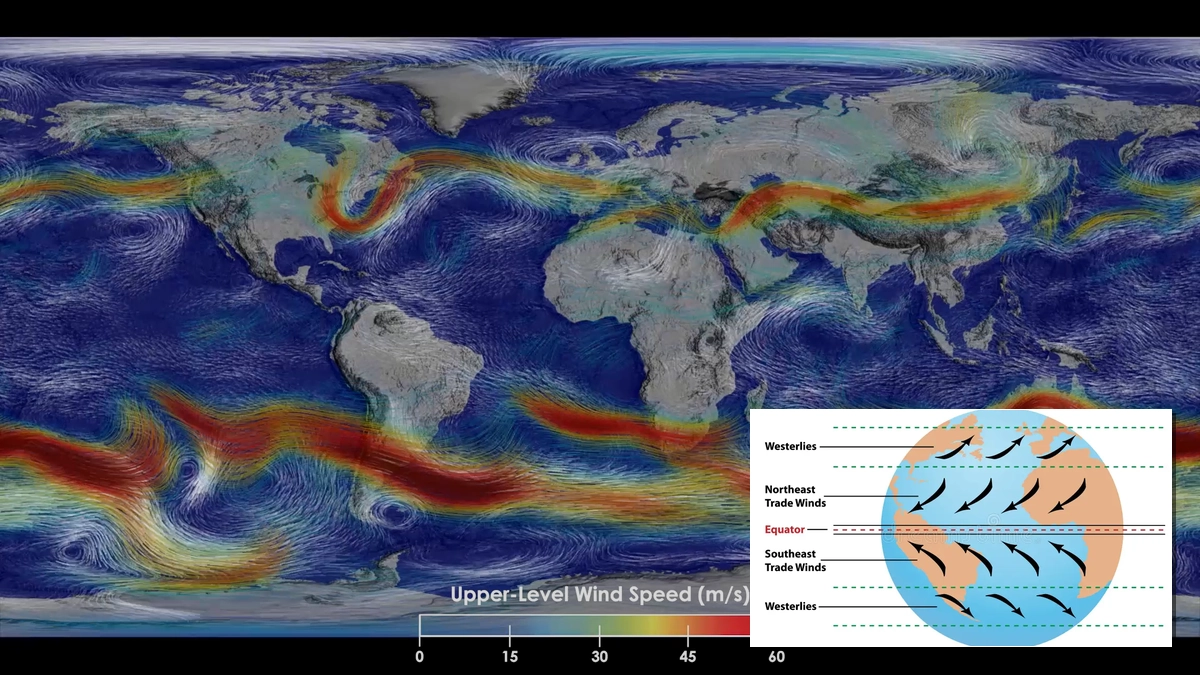
All tropical cyclones draw their energy from warm ocean waters. They feature a distinct
 21/07/2026