Understanding the Greenhouse Effect: Causes, Consequences, and Solutions
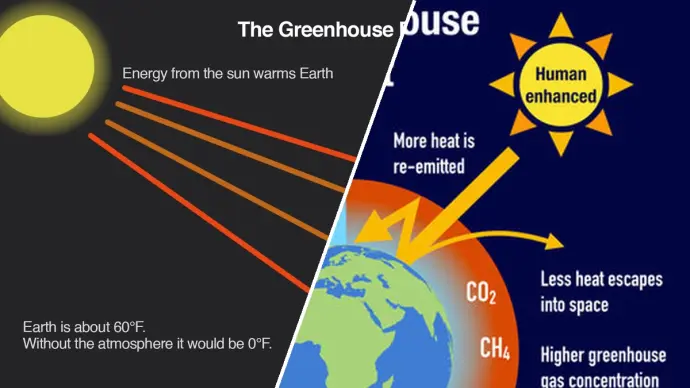
The Earth's climate is a delicate balance, intricately maintained by a natural phenomenon known as the greenhouse effect. This process is fundamental to life as we know it, ensuring our planet remains at a habitable temperature. However, human activities have intensified this natural process, leading to significant concerns about global warming and climate change. Understanding the greenhouse effect is the first step towards addressing these critical environmental challenges.
What is the greenhouse effect?
The greenhouse effect is the process by which heat is trapped near the Earth's surface by gases in the atmosphere, known as greenhouse gases. These gases act like the glass in a greenhouse, allowing sunlight to enter but preventing some of the heat from escaping back into space. This natural warming process is essential for life, maintaining an average global temperature of about 15°C (59°F). Without it, Earth's surface temperature would plummet to approximately -18°C (0°F), making it uninhabitable.
The primary greenhouse gases include:
- Water vapor
- Carbon dioxide (CO2)
- Methane (CH4)
- Nitrous oxide (N2O)
- Ozone (O3)
- Chlorofluorocarbons (CFCs)
Water vapor is considered a 'feedback' because its concentration in the atmosphere changes in response to temperature shifts, amplifying the warming or cooling effect.
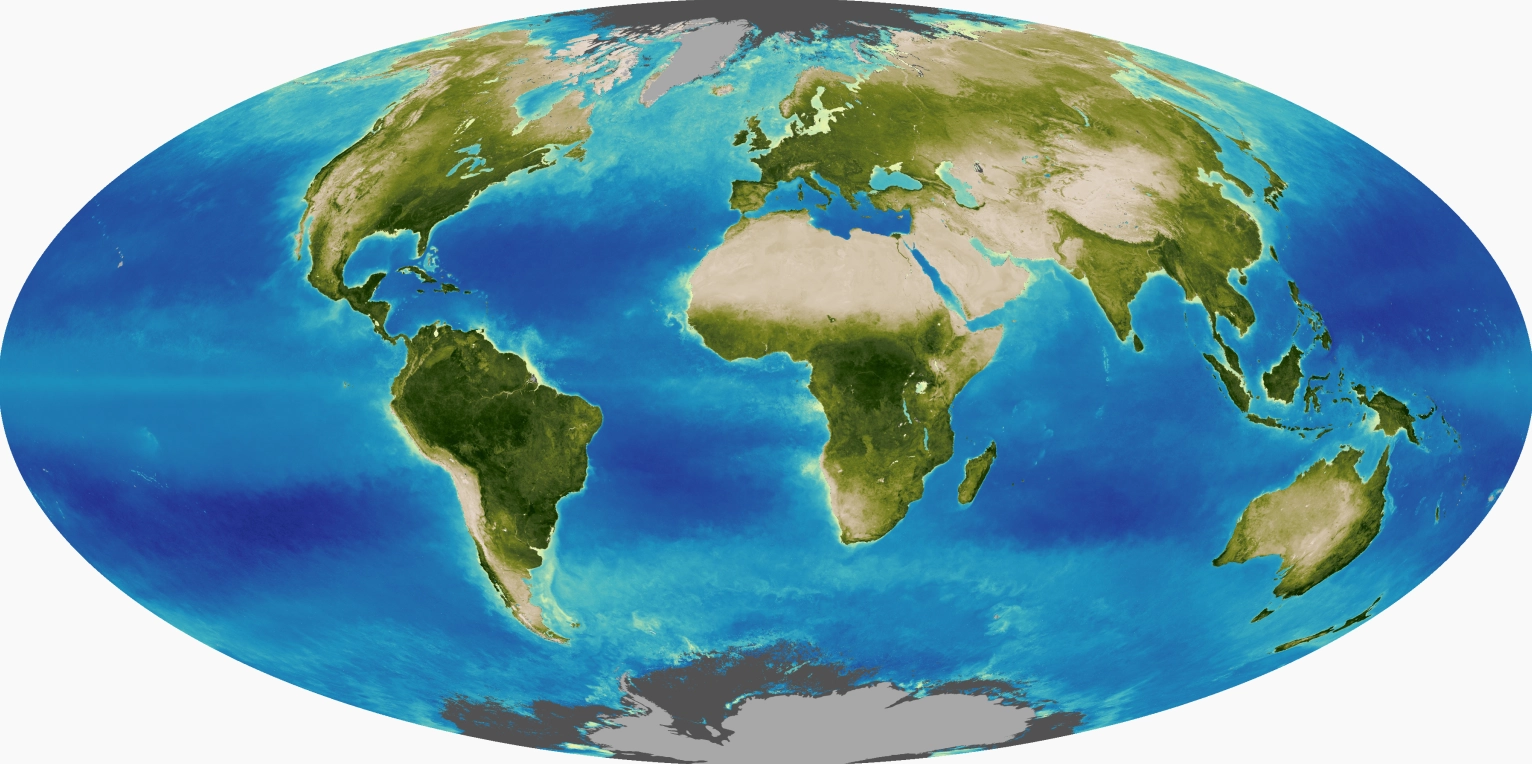
The natural greenhouse effect and its role
Earth's atmosphere is composed mainly of nitrogen and oxygen, which do not contribute to the greenhouse effect. However, the presence of greenhouse gases, even in small amounts, plays a crucial role in regulating Earth's temperature. Carbon dioxide, for instance, is vital; its removal would cause a drastic drop in surface temperature, underscoring its importance for atmospheric stability.
The 'Goldilocks' analogy is often used to describe Earth's conditions – not too hot, not too cold, but just right for life to thrive, largely thanks to its natural greenhouse effect. This balance, however, has been disrupted over the past century.

Human impact and the enhanced greenhouse effect
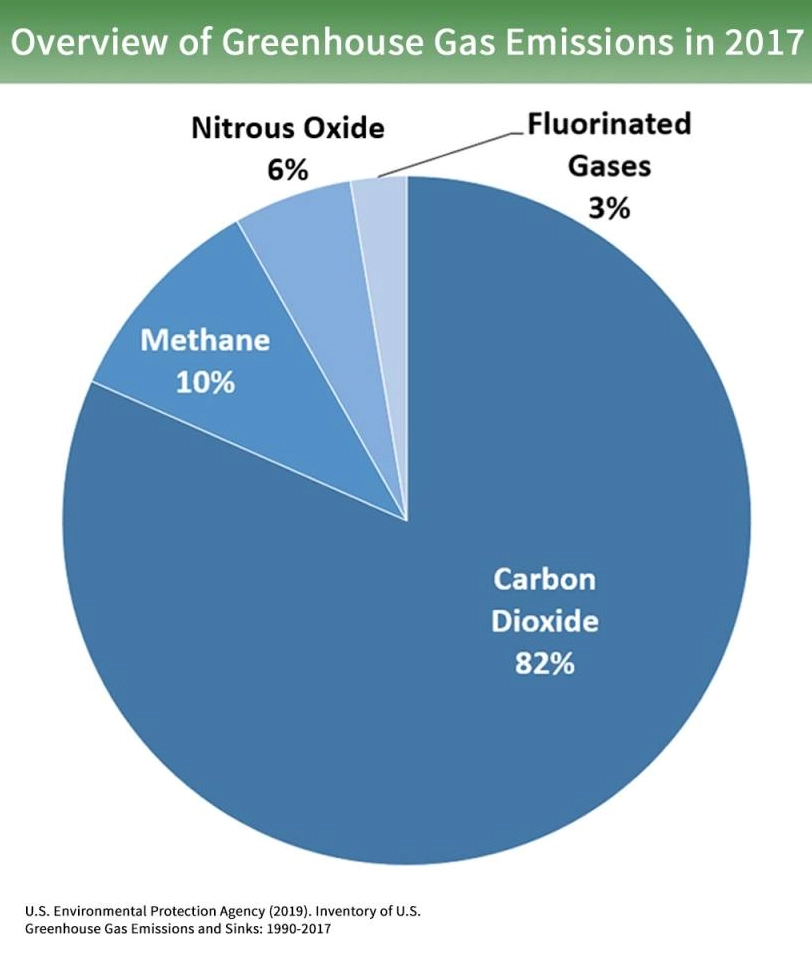
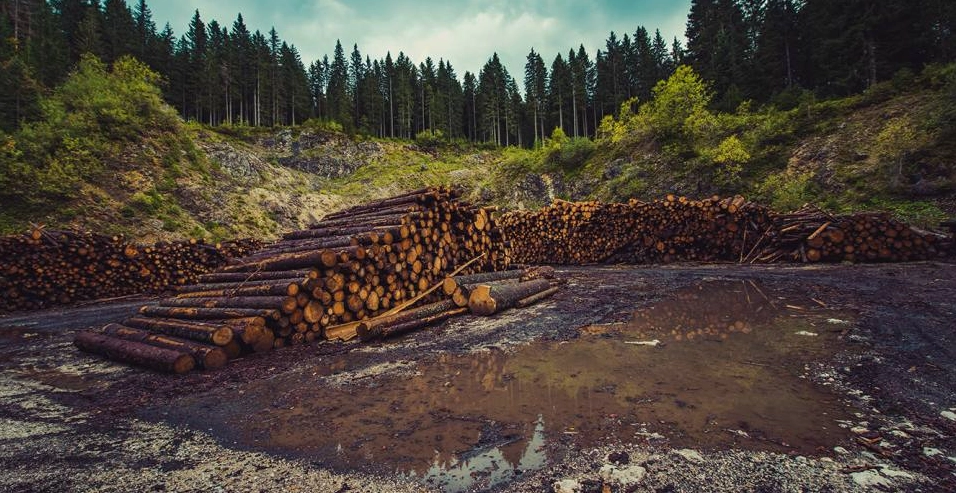
The industrial revolution marked a turning point, with human activities leading to a significant increase in greenhouse gas emissions. The primary driver is the burning of fossil fuels (coal, oil, and natural gas) for energy, which releases large quantities of carbon dioxide into the atmosphere. Deforestation also contributes, as trees absorb CO2. Agriculture is another significant source, particularly through methane emissions from livestock and rice cultivation, and nitrous oxide from fertilizer use.
The concentration of carbon dioxide in the atmosphere has been steadily rising, exceeding 400 parts per million (ppm) since 2015, a level not seen in centuries. This increase traps more heat, leading to a gradual rise in global temperatures – the phenomenon known as global warming.
The consequences of this enhanced greenhouse effect are far-reaching, including:
- Rising global average temperatures
- More frequent and intense heatwaves
- Changes in precipitation patterns (leading to droughts and floods)
- Sea-level rise due to melting glaciers and thermal expansion of oceans
- Ocean acidification
- Disruption of ecosystems and biodiversity loss



The role of specific greenhouse gases
Each greenhouse gas has a different capacity to trap heat and a different atmospheric lifetime. For example, methane is more potent than carbon dioxide over shorter time scales, but CO2 persists in the atmosphere for centuries.
Let's look at some common greenhouse gases:
| Greenhouse Gas | Sources | Atmospheric Lifetime | Global Warming Potential (GWP) relative to CO2 |
|---|---|---|---|
| Carbon Dioxide (CO2) | Burning fossil fuels, deforestation, industrial processes (e.g., cement production) | Hundreds of years | 1 |
| Methane (CH4) | Agriculture (livestock, rice paddies), natural gas leaks, landfills, decomposition | About 12 years | ~28-34 (over 100 years) |
| Nitrous Oxide (N2O) | Agriculture (fertilizer use), industrial activities, fossil fuel combustion | About 114 years | ~265-298 (over 100 years) |


Addressing the greenhouse effect: Mitigation and adaptation
Mitigating climate change requires a global effort to reduce greenhouse gas emissions. This involves transitioning to renewable energy sources, improving energy efficiency, adopting sustainable transportation, and promoting practices like reforestation and sustainable agriculture.
Adaptation strategies are also crucial to cope with the unavoidable impacts of climate change. This includes developing drought-resistant crops, improving water management, building flood defenses, and relocating vulnerable communities.


The greenhouse effect is a complex interplay between Earth's atmosphere and incoming solar radiation. While a natural and necessary process, its enhancement due to human activities poses a significant threat to our planet's climate. Concerted global action to reduce emissions and adapt to changes is imperative to safeguard our future.
Comments (1)
Dr. Evelyn Reed
16:44:00 21-07-2026Leave a Reply
Your email address will not be published. Required fields are marked *