Understanding the Dry and Wet Seasons: A Global Perspective
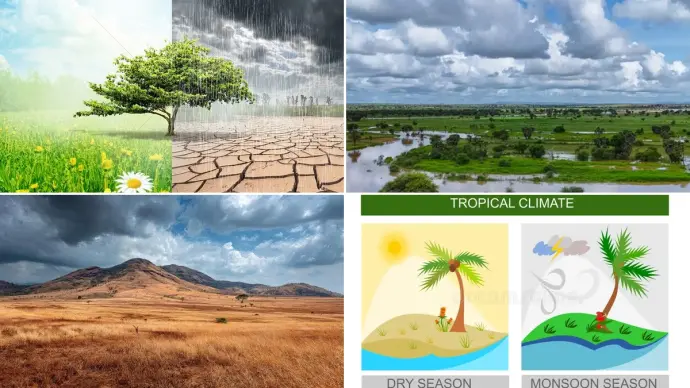
Brazil, a land of immense natural beauty and diverse landscapes, captivates travelers with its unique ecosystems like the Amazon and Pantanal. Planning a trip to this vast South American country requires an understanding of its varied climatic zones, particularly the fascinating differences between its dry and wet seasons. This knowledge is crucial for maximizing any Brazilian adventure and appreciating the delicate balance of its rainforests.
Key Characteristics of Tropical Climates: Tropical regions, located within 23.5 degrees of the equator, are defined by warm temperatures year-round, high humidity, and abundant rainfall, leading to the division of the year into distinct wet and dry seasons.
The Dynamics of Tropical Rainforest Climates
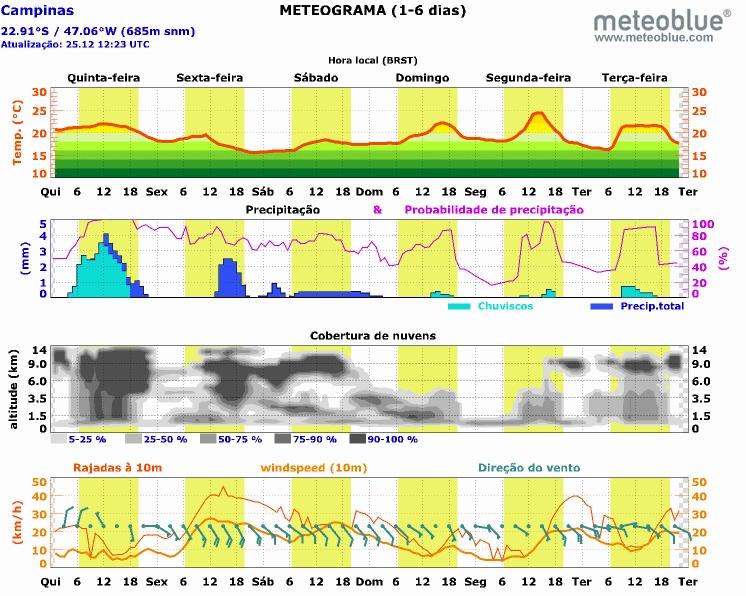
The climate of a tropical rainforest is a dynamic interplay of sun, rain, heat, and humidity. Temperatures exhibit minimal fluctuation throughout the year, typically ranging from 73.4°F to 80.6°F (23°C to 27°C). Even the coldest months rarely see average temperatures dip below 64.4°F (18°C). Unlike temperate regions with four distinct seasons, the tropics primarily experience two: the wet and the dry season. The further one moves from the equator, the more pronounced temperature variations become annually.
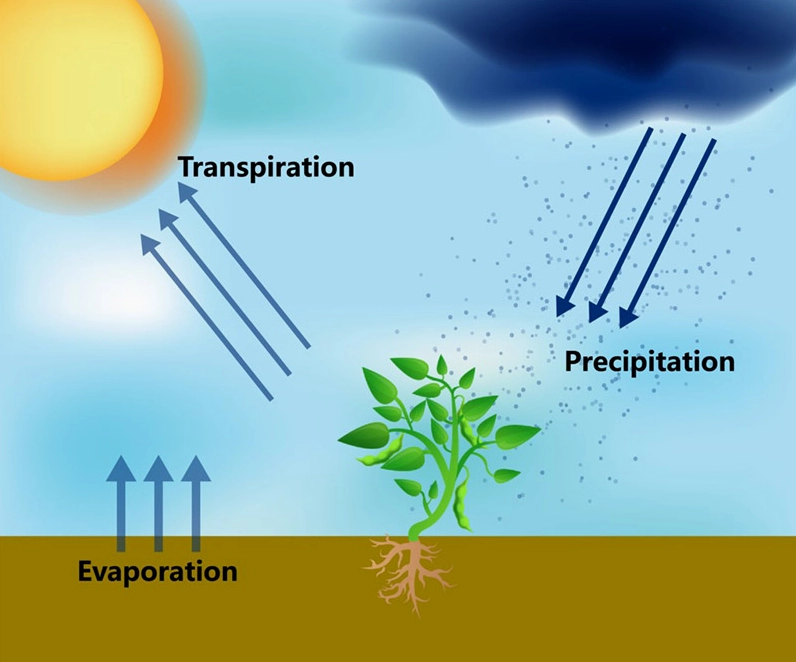
Essential for the development of tropical rainforests are specific climatic conditions. Annual rainfall must be substantial, ranging from at least 1,500 millimeters (1.5 meters) to as high as 10,000 millimeters. High humidity and warm air are constant, but crucially, the evaporation rate must be lower than precipitation. This imbalance leads to significant fog formation, a characteristic visual of these humid environments.
A Typical Day in the Amazon Rainforest
A day in the Amazon tropical rainforest unfolds with predictable regularity. Morning often begins with patches of fog that quickly dissipate as the sun rises. By midday, temperatures climb, and the rainforest acts like a solar battery, absorbing and storing the sun's energy. As the afternoon progresses, clouds gather, humidity intensifies, and rain, often accompanied by thunder and lightning, becomes a common occurrence, earning the rainforest the moniker 'rainmaker.' As evening approaches, fog may return, and the night offers a slight reprieve with temperatures around 69.8°F (21°C). The rainforest slowly releases stored solar energy during the cooler night, which can be considered the 'winter' of the tropics, given the greater daily temperature fluctuations compared to the annual ones.

This cycle of intense heat, humidity, and rainfall is fundamental to the region's biodiversity. The contrast between the dry vs wet season significantly shapes the landscape and the life it supports.
Comparing Seasonal Transitions: Brazil and Florida
While Brazil's Amazon experiences a consistent tropical climate, other regions offer different seasonal contrasts. For instance, Florida, with its subtropical to tropical climate, also experiences distinct wet and dry seasons. Florida's wet season, from June to October, receives about 70 percent of its annual rainfall, often in the form of afternoon thunderstorms. This period is characterized by lush vegetation growth and swollen water bodies. It's akin to summer in other parts of the country, but with relentless heat and humidity. The dry season, from November to May, sees a significant reduction in rainfall, leading to landscape contraction and the cessation of daily thunderstorms. This period also coincides with Florida's fire season.
Global Perspectives on Dry and Wet Seasons
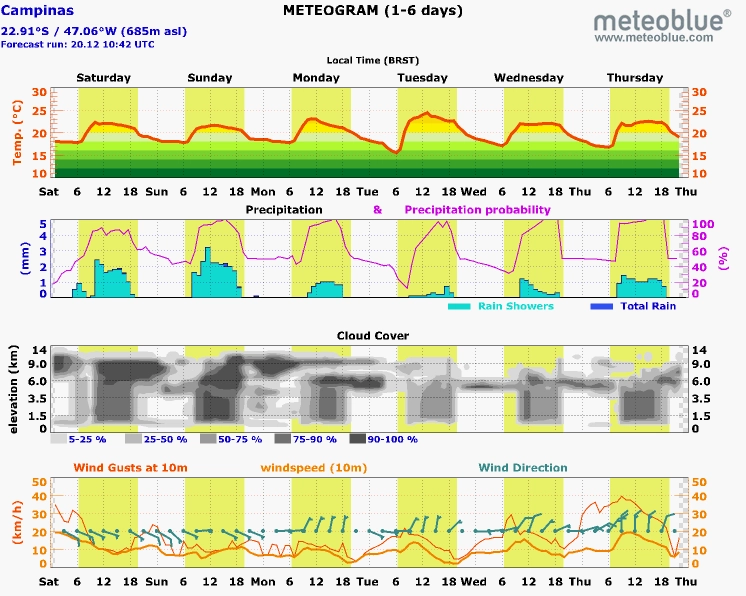
The phenomenon of dry and wet seasons is not unique to Brazil or Florida. Many tropical and subtropical regions worldwide experience similar climatic patterns. For example, countries like Thailand, Indonesia, and the Philippines have well-defined dry and wet season cycles that dictate agricultural practices and tourism. In Bali, the dry season typically runs from May to September, while the wet season spans from October to April. Similarly, in Vietnam, the climate varies significantly by region, with southern areas experiencing a distinct wet season from May to November and a dry season from December to April.
Australia, a vast continent with diverse climate zones, also experiences these seasonal shifts. In Darwin, for instance, the wet season (approximately November to April) brings high humidity, heavy rainfall, and thunderstorms, while the dry season (May to October) offers sunny days and lower humidity. Understanding the nuances of the dry wet season in these different locations is essential for travelers and residents alike.
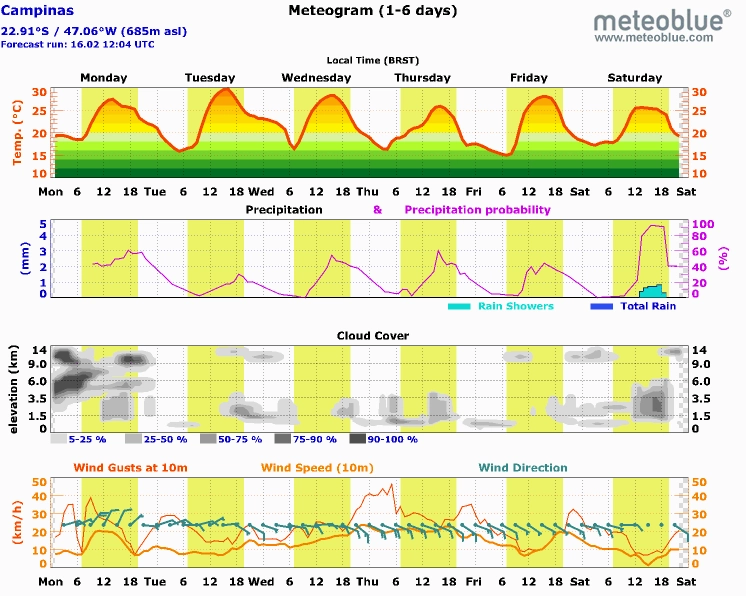
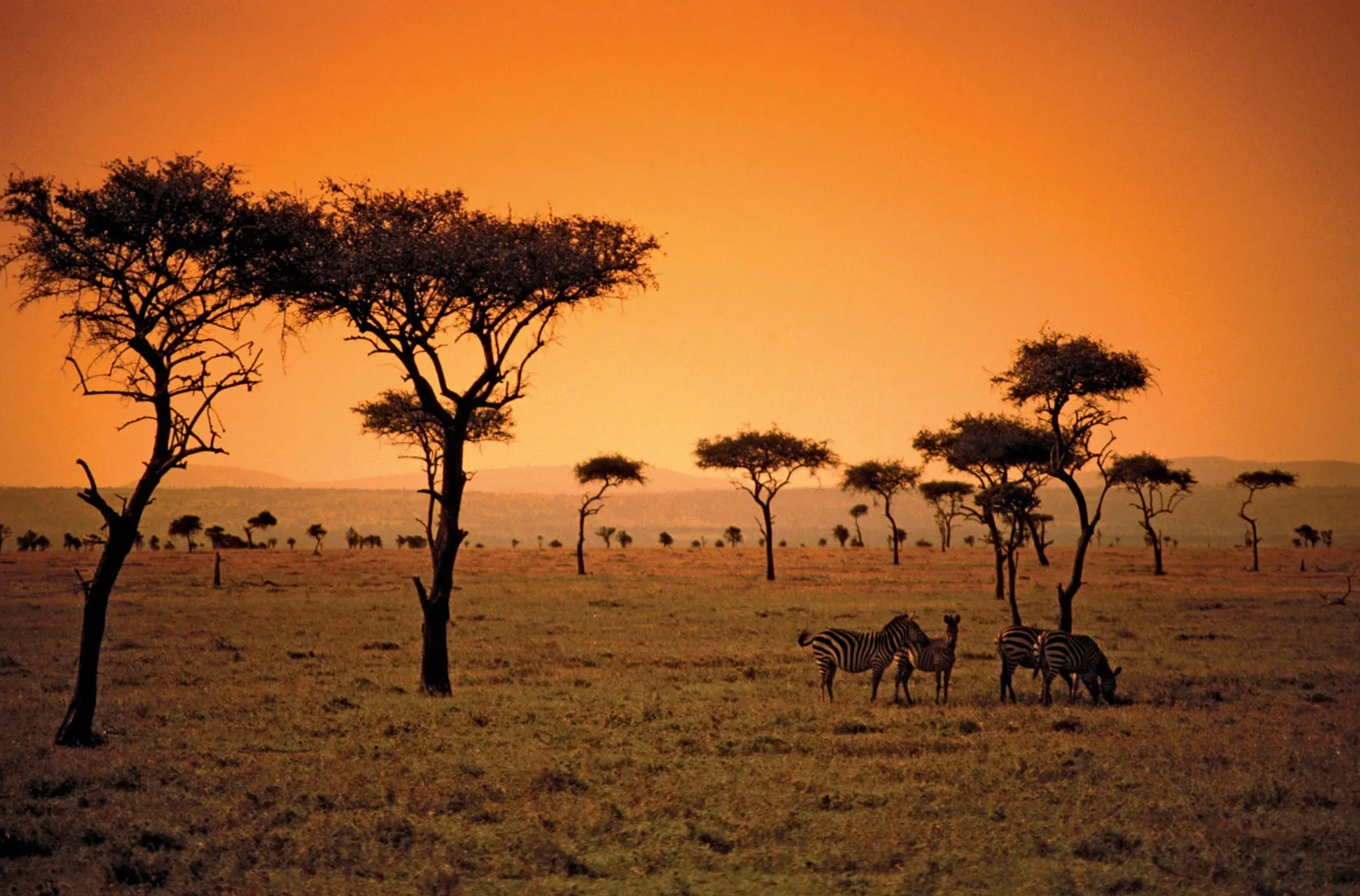
The contrast between dry and wet seasons significantly influences ecosystems, water availability, and vegetation. In savannas, like those found in Kenya, the dry season can lead to sparser vegetation and concentrated water sources, impacting wildlife migration patterns. The dry wet season in Australia, particularly in regions like Darwin, presents unique challenges and opportunities for both nature and human activities.
Planning Your Travels Around Seasonal Changes
For travelers, understanding the dry and wet seasons is paramount. The 'best' time to visit a destination often depends on what one wishes to experience. For example, in many parts of Southeast Asia, the dry season is generally preferred for outdoor activities and beach holidays due to lower humidity and less rainfall. However, the wet season can offer lush, vibrant landscapes and fewer crowds.
In Brazil, while the Amazon's climate is consistently humid, specific regions might have slightly varied peak seasons for tourism. The overall differences between the dry vs wet season in the Amazon influence river levels, making some areas more accessible by boat during the wet season and others more suitable for hiking during the dry season.
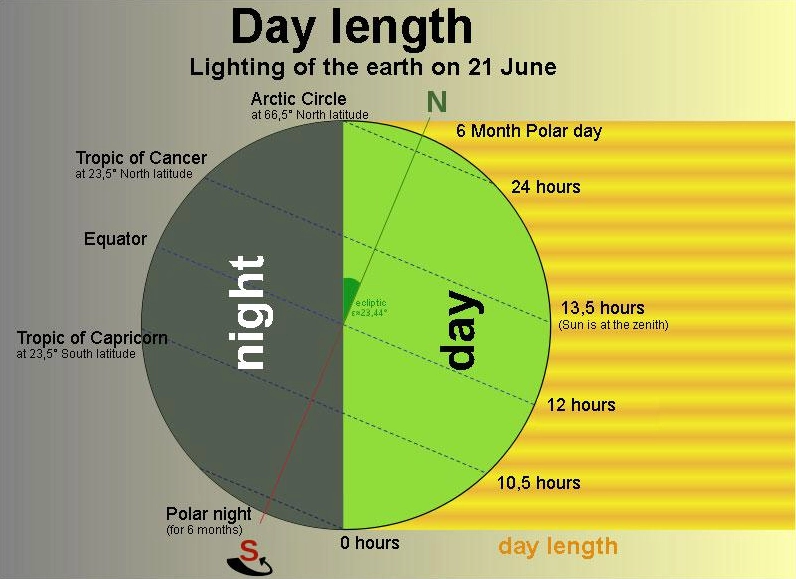
The interplay of daylength and seasonal patterns also affects local flora and fauna. Thomas Steiner's work on daylength highlights how variations in sunlight duration can influence plant growth and animal behavior throughout the year, a factor intrinsically linked to the wet and dry cycles.
Ultimately, whether you are in the Philippines, Indonesia, or Australia, grasping the rhythm of the dry and wet seasons provides invaluable insight into the natural world and enriches any travel itinerary.
Navigating the Climate Differences
Successfully navigating the climate differences between dry and wet seasons requires preparation. This involves researching the specific weather patterns of your chosen destination, understanding potential impacts on travel, and packing appropriately. For destinations like Thailand, the dry season generally offers clearer skies, while the wet season might bring more rain but also fewer tourists and lush green scenery.
Similarly, for those exploring the wet dry season in Australia, particularly in the tropical north like Darwin, awareness of the monsoon season's intensity is crucial. The dry season in Darwin is characterized by pleasant temperatures and low humidity, making it a popular time for visitors.
Understanding the dry wet season globally reveals a fascinating spectrum of climatic adaptations. From the dense Amazonian rainforest to the arid savannas and coastal regions of Southeast Asia and Australia, each environment tells a story shaped by the cyclical dance of rain and sun.
Comments (0)
No comments yet. Be the first to share your thoughts!
Leave a Reply
Your email address will not be published. Required fields are marked *