Understanding the Doldrums: An Oceanographic and Meteorological Phenomenon

What are the Doldrums?
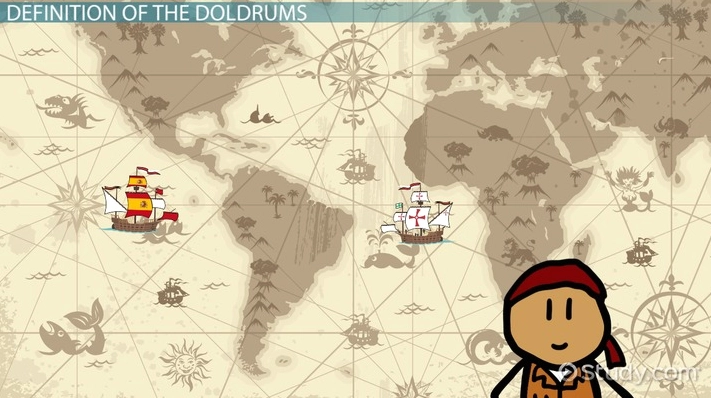
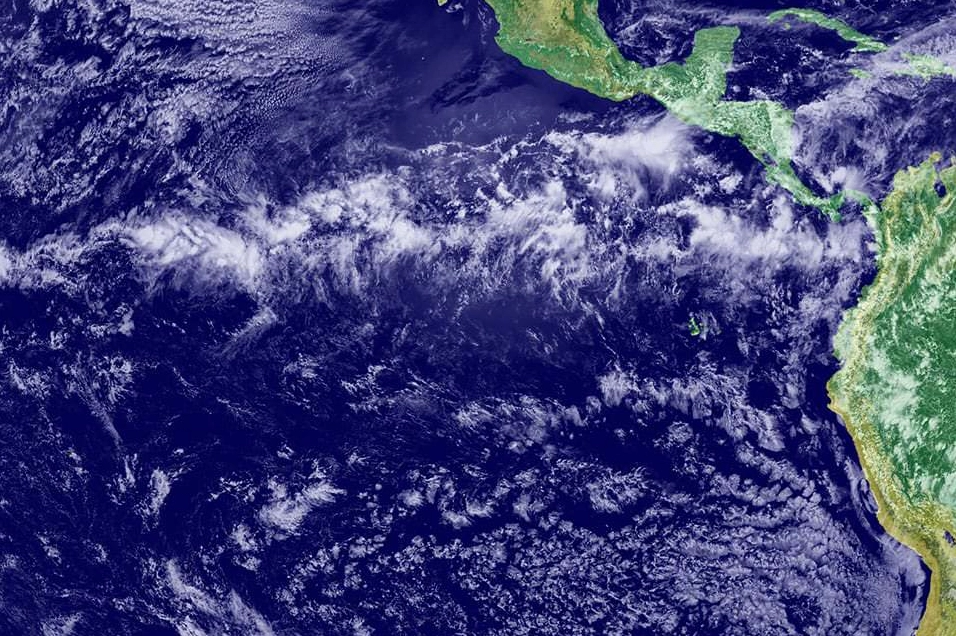
The doldrums, also known as the Inter-Tropical Convergence Zone (ITCZ), is a significant region in oceanography and meteorology. This belt circles the Earth approximately five degrees north and south of the equator. It is characterized by calm seas, light shifting winds, and is a phenomenon well-known to sailors for its potential to becalm sailing ships for extended periods. The ITCZ is a dynamic area where atmospheric conditions significantly influence global weather patterns.
The Science Behind the Calm: Causes of the Doldrums
The unique conditions within the doldrums are a direct result of intense solar heating near the equator. This solar radiation warms the moist air, causing it to rise rapidly into the atmosphere, much like a hot air balloon. As this warm, moist air ascends, it cools, leading to the formation of persistent bands of showers and thunderstorms along the Earth's midsection. This upward circulation of air creates an area of low surface wind. Subsequently, the air mass begins to subside in the regions known as the horse latitudes, further contributing to the calm conditions observed in the ITCZ. The doldrums meaning in geography is intrinsically linked to this atmospheric process.
Navigating the Doldrums: Historical and Modern Perspectives
Historically, sailors have dreaded the doldrums due to the prolonged periods of inactivity they could impose on voyages. The lack of wind meant ships could be stranded for weeks, disrupting schedules and posing logistical challenges. The term 'doldrums' itself reflects this experience, often used metaphorically to describe a state of stagnation or inactivity, such as 'fighting off the winter doldrums' or escaping 'the economic doldrums.' The doldrums meaning in English often carries this connotation of listlessness or a slump.
Understanding the doldrums latitude is crucial for maritime navigation. These equatorial waters are not static; due to Earth's rotation, the ITCZ shifts seasonally. This shift influences dry and rainy seasons in both the northern and southern hemispheres. For instance, the doldrums latitude is a key factor in understanding regional climate variations.
The Importance of Doldrums in the Ecosystem and Climate
Beyond navigation, the doldrums play a vital role in global climate and ecosystems. The consistent bands of showers and storms contribute to the hydrological cycle. However, the surface warming in this region also makes it susceptible to phenomena like coral bleaching. Organizations like NOAA's Coral Reef Conservation Program actively monitor environmental conditions in the ITCZ to identify reefs at risk.
The ITCZ's position and intensity are indicators of broader climate patterns. Studying the doldrums helps scientists understand atmospheric circulation, predict weather patterns, and assess the impacts of climate change on tropical regions. The doldrums meaning extends beyond a simple weather phenomenon to encompass a critical component of Earth's climate system.
Key Takeaways about the Doldrums
The doldrums are a fascinating area where atmospheric science meets maritime history. Here are the key aspects to remember:
- Location: A belt around the Earth near the equator, approximately five degrees north and south.
- Cause: Intense solar heating leading to rising warm, moist air and low surface winds.
- Characteristics: Characterized by calms, light shifting winds, and frequent showers/storms.
- Significance: Crucial for understanding global weather, climate patterns, and marine ecosystems.
- Metaphorical Use: Often used to describe periods of inactivity or stagnation.
Looking Ahead: Future Research on the Doldrums
Continued research into the Inter-Tropical Convergence Zone is essential for refining climate models and improving weather forecasting. Understanding its future behavior in a changing climate will provide critical insights into regional impacts and potential mitigation strategies. The study of the doldrums remains a dynamic and important field in atmospheric sciences.
Comments (1)
Captain Eva Rostova
22:00:00 21-07-2026Leave a Reply
Your email address will not be published. Required fields are marked *