Understanding Storm Surge: Causes, Impacts, and Mitigation Strategies
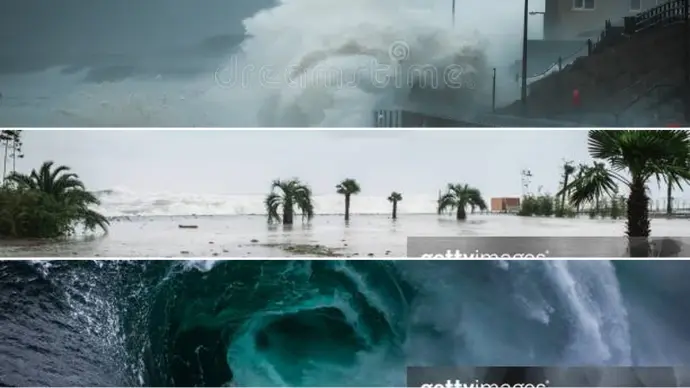
A storm surge represents a significant and dangerous increase in sea level directly attributable to a storm. This phenomenon is driven by a combination of factors, including low atmospheric pressure, which allows sea levels to rise, and powerful gale-force winds that, coupled with the Earth's rotation, propel ocean water towards coastlines. The underlying physics remain consistent whether the storm is an extra-tropical cyclone common in European weather systems or a tropical cyclone such as a hurricane.
The Nature and Scale of Storm Surges
Storm surges are not fleeting events; they can persist for hours or even days, affecting vast coastal areas spanning hundreds of square kilometers. Their global reach means that coastlines worldwide are susceptible to the significant damage and loss of life these surges can inflict. Historical events serve as stark reminders of their destructive potential. The devastating storm surge in Bangladesh in 1970 led to hundreds of thousands of fatalities. More recently, major events in the United States like Hurricane Katrina and Superstorm Sandy have underscored the immense power of these natural hazards. The magnitude of a storm surge can be substantial, with records showing sea levels rising up to 8 meters in tropical regions and over 3 meters in European seas.
Coastal flooding occurs when a confluence of high tide, storm surge, and wave action exceeds the capacity of or breaches coastal defenses. Often, the storm surge acts as the critical additional factor that pushes sea levels over a threshold or raises them sufficiently for powerful waves to cause destruction.
Historical Context and Economic Impact
Coastal flooding poses a significant threat to life, as well as to economic and environmental assets, particularly around the United Kingdom. The North Sea storm surge of January 31 – February 1, 1953, remains one of the most catastrophic natural disasters in modern British history. Enormous waves overwhelmed flood defenses, leading to widespread devastation in coastal towns across Lincolnshire, Norfolk, Suffolk, Essex, and Kent as seawater inundated streets. The Netherlands experienced a tragic loss of 1,800 lives during this event, while England and Scotland collectively lost 326 people. The estimated cost of these floods was between £40–50 million, a sum equivalent to approximately £1 billion in today's currency.
Defining Storm Surge Terminology
To fully grasp the implications of these events, understanding key terminology is essential:
- Storm Surge: This refers to the abnormal rise in water level generated by a storm, exceeding the normal astronomical tide.
- Astronomical Tide: These are the regular tidal levels and water movements caused by the Earth's rotation and the gravitational forces exerted by the Earth, Sun, and Moon.
- Storm Tide: This is the combined effect of a storm surge and the astronomical tide. It is often confused with storm surge itself but represents the total water level impact.
- Inundation: This term describes the total water level that covers typically dry land as a result of the storm tide. It is commonly measured in feet of water above ground level and is a key metric for understanding the damage caused by storm surge-driven coastal flooding.
Causes of Storm Surge
The primary mechanism driving a storm surge is the force of cyclonic winds pushing water towards the shore. This creates a "mound" of water at the storm's center. While low atmospheric pressure contributes, its effect on mound formation is minimal compared to the impact of storm-driven winds on ocean waters. Storms classified as Category 4 or 5, characterized by high wind speeds, can generate significantly larger storm surge effects than weaker storms. As a storm approaches land, the water on the side facing the coastline cannot dissipate into the open ocean, leading to a further rise in water levels.
Several factors influence the maximum level of storm surge experienced in a particular area:
- Storm Intensity and Size: The size of a hurricane, often described by the radius of maximum winds (RMW), directly correlates with its potential to generate a large surge.
- Angle of Approach: Hurricanes that make a direct landfall are typically more damaging. Storms moving parallel or at an oblique angle to the coast are less likely to cause a substantial storm surge.
- Central Pressure: Although less impactful than wind speed, a lower central air pressure in a storm can slightly increase ocean levels at the center, thereby exacerbating the storm surge by about 5% of the total water rise.
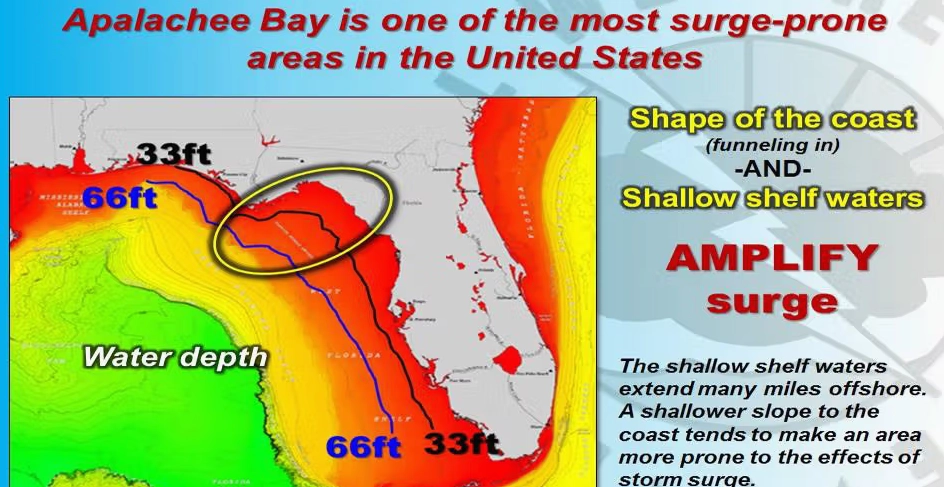
- Coastal Shape and Characteristics: Coastlines that curve inward, such as bays and estuaries, are particularly vulnerable. These geographic features can funnel the storm water, amplifying the surge's height and destructive power compared to convex coastlines.
Predictive Modeling and Warning Systems
In response to the threat posed by storm surges, scientists have developed sophisticated computer models to predict their occurrence. These models, run on powerful supercomputers, form a critical component of modern coastal flood warning systems, such as the UK Coastal Monitoring and Forecasting (UKCMF) system. This integrated approach combines storm surge and wave models with real-time monitoring of coastal sea levels, all interpreted by expert forecasters operating 24/7.
A key technique employed is ensemble forecasting, which helps quantify the inherent uncertainties in short-term weather predictions. By running the models multiple times with adjusted conditions and parameters, a range of potential outcomes is generated. This allows forecasters to assess the reliability of the predictions and issue more accurate warnings. Similar advanced modeling systems are employed globally to protect lives in vulnerable regions worldwide.
Mitigation and Preparedness
While predicting storm surges is crucial, mitigation and preparedness are equally vital. These include:
- Robust Coastal Defenses: Building and maintaining effective sea walls, levees, and natural barriers like dunes and wetlands can significantly reduce the impact of storm surges.
- Early Warning Systems: Enhancing and expanding the reach of storm surge warning systems ensures that communities have adequate time to prepare and evacuate if necessary.
- Land-Use Planning: Implementing zoning regulations that restrict development in high-risk coastal areas can prevent new populations from being exposed to storm surge hazards.
- Public Education: Raising awareness about the dangers of storm surges and providing guidance on evacuation routes and emergency preparedness is essential for community resilience.
Storm Surge vs. Tsunami: Key Differences
It is important to distinguish a storm surge from a tsunami, although both involve large movements of water. A storm surge vs. tsunami comparison highlights their distinct origins. Storm surges are weather-driven, caused by storms, whereas tsunamis are typically generated by underwater seismic activity, such as earthquakes or volcanic eruptions.
Conclusion: Building Resilient Coastal Communities
Storm surges are a formidable and recurring threat to coastal populations and infrastructure globally. Understanding the complex interplay of meteorological and geographical factors that contribute to their formation is the first step towards effective management. Advances in predictive modeling and forecasting provide invaluable tools for issuing timely storm surge warnings, enabling evacuations and protective measures. However, the long-term solution lies in a combination of resilient infrastructure, informed land-use planning, and continuous public education to build communities capable of withstanding the increasing challenges posed by extreme weather events in a changing climate.
Comments (1)
Eleanor Vance
16:16:18 21-07-2026Leave a Reply
Your email address will not be published. Required fields are marked *