Understanding Permafrost Melt: Causes, Consequences, and Global Warming Impact
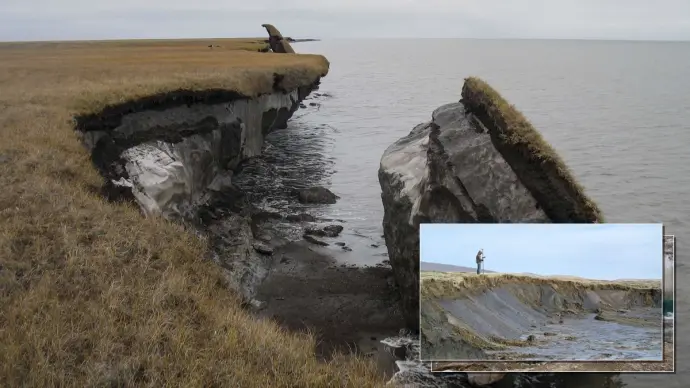
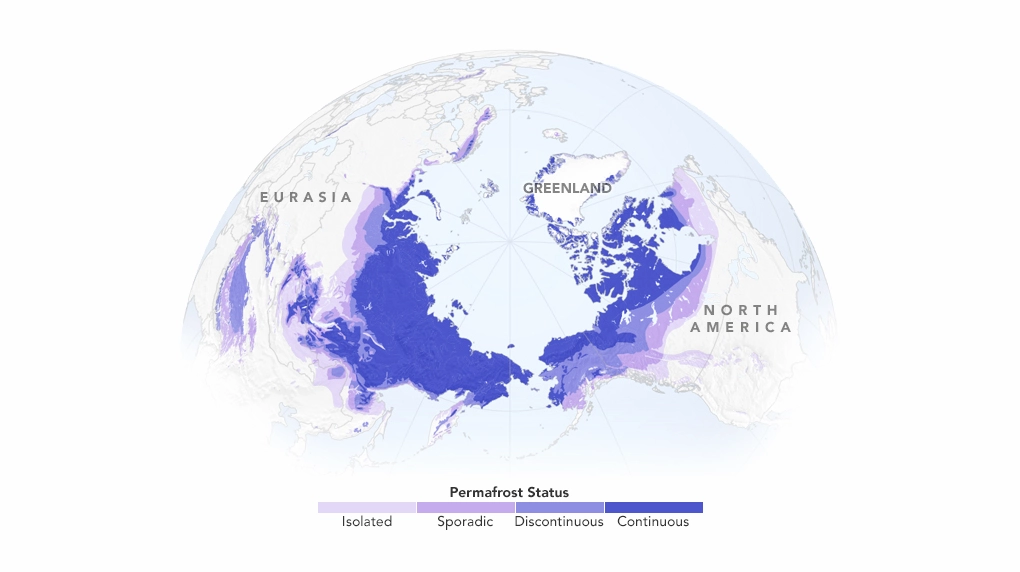
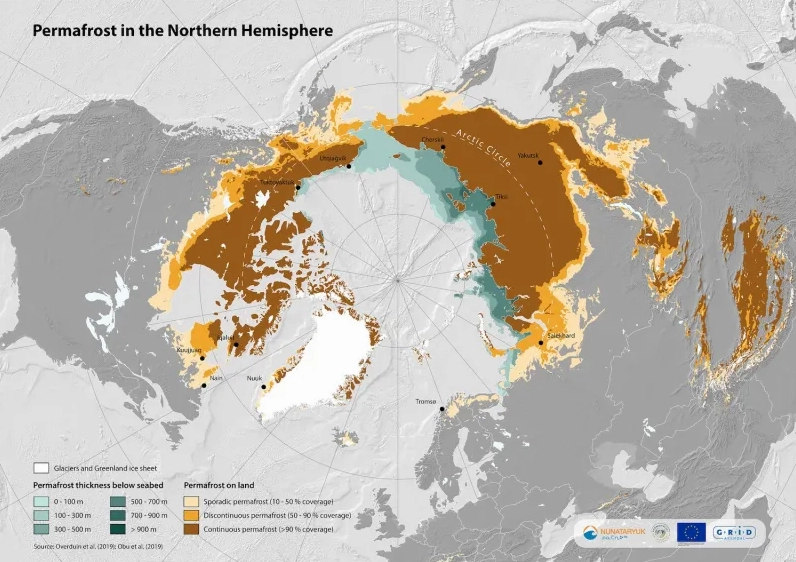
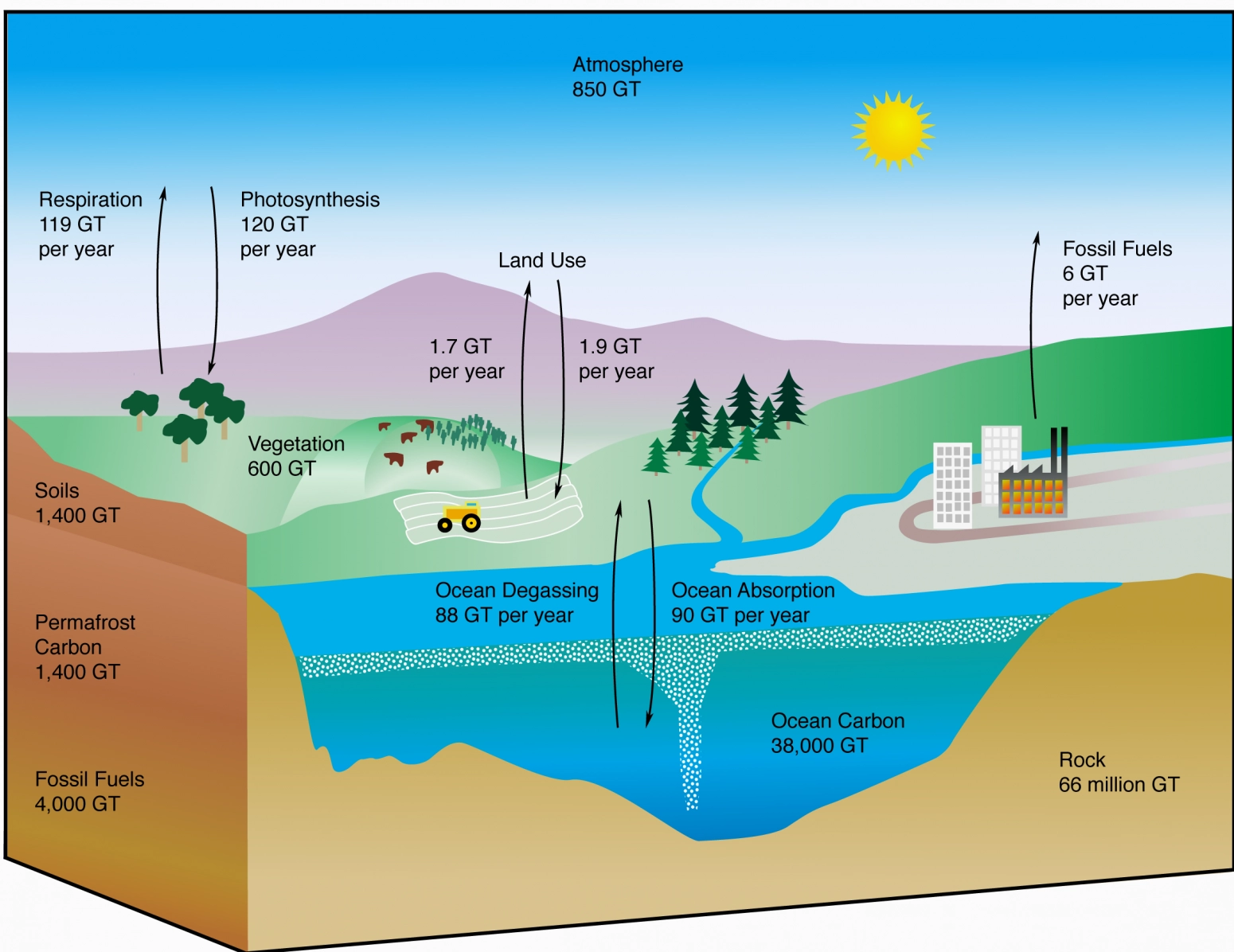
The Earth's delicate climate balance is increasingly threatened by phenomena previously confined to remote regions. A groundbreaking study, co-authored by NASA scientists, is shedding crucial light on how greenhouse gases are escaping from the vast northern permafrost regions as the Arctic experiences unprecedented warming. These frozen soils, stretching across Alaska, Canada, and Siberia, hold an immense carbon stockpile—twice the amount currently in the atmosphere—accumulated over centuries. Recent research indicates a worrying shift: the region may no longer be a carbon sink, but a net contributor to global warming. This transition is largely driven by the release of methane, a potent greenhouse gas with a significantly higher heat-trapping capacity than carbon dioxide.
What is Permafrost and Why is it Melting?
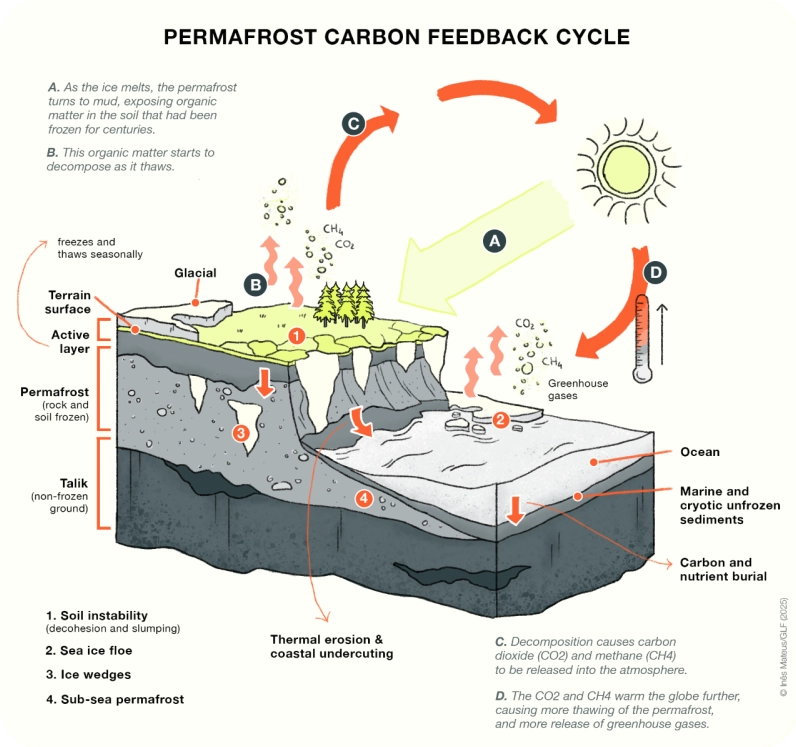
Permafrost, ground that remains frozen for at least two consecutive years, is a crucial component of the Earth's cryosphere. It consists of soil, gravel, and sand bound together by ice, with depths ranging from a meter to over 1,500 meters. Beneath a thin surface layer, known as the active layer, lies perennially frozen ground that can extend hundreds of meters deep. This frozen state has preserved organic material—dead plant and animal matter—for thousands of years. However, escalating global temperatures, particularly pronounced in the Arctic where warming occurs two to four times faster than the global average, are causing this ancient ground to thaw. The active layer thaws annually, but with rising global temperatures, deeper permafrost layers are also beginning to thaw, a phenomenon referred to as permafrost melt.
The decomposition of this long-stored organic carbon by microbes releases significant amounts of greenhouse gases. While carbon dioxide is a primary emission, methane is a particular concern due to its potency. Over a 100-year timescale, methane traps approximately 28 times more heat than carbon dioxide. This process is leading to a concerning permafrost melting feedback loop, where warming causes thawing, which releases greenhouse gases, further accelerating warming.
Consequences of Permafrost Melting
The implications of widespread permafrost melt extend far beyond the Arctic. The release of vast quantities of stored carbon and methane acts as a significant amplifier for global warming. Scientists are increasingly concerned that unlocking even a fraction of the carbon stored in permafrost could drastically accelerate climate change.
Ecological and Environmental Impacts
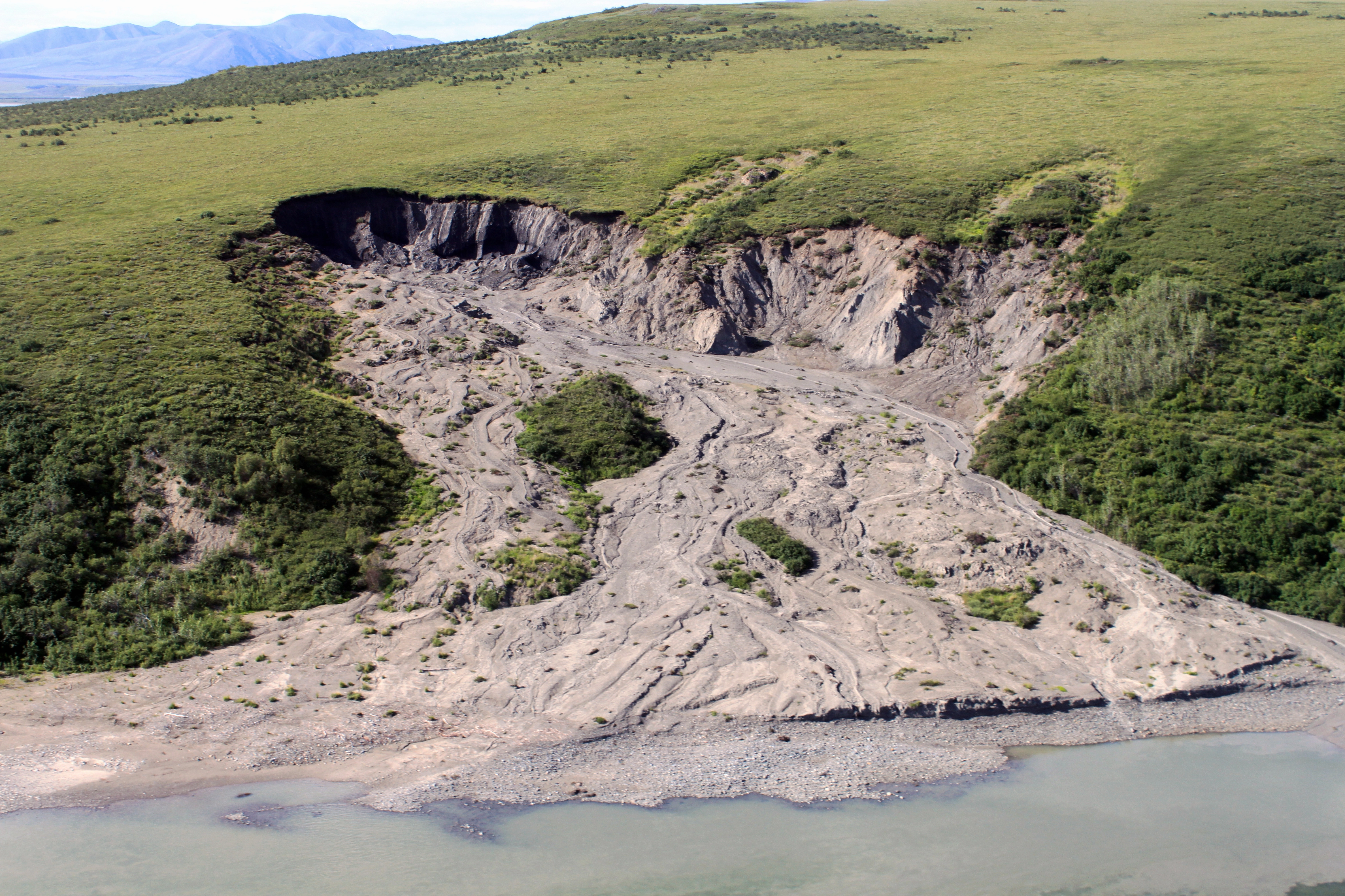
The thawing permafrost transforms the Arctic landscape. Wetlands, which are significant sources of methane emissions, are expanding as the ground subsides. This creates a dynamic and rapidly changing environment:
- Greenhouse Gas Emissions: As detailed in a study tracking emissions from 2000 to 2020, the permafrost region is transitioning from a net carbon sink to a net source of greenhouse gases.
- Altered Ecosystems: The physical changes to the land affect flora and fauna. For example, caribou migration patterns can be disrupted near thawing permafrost areas.
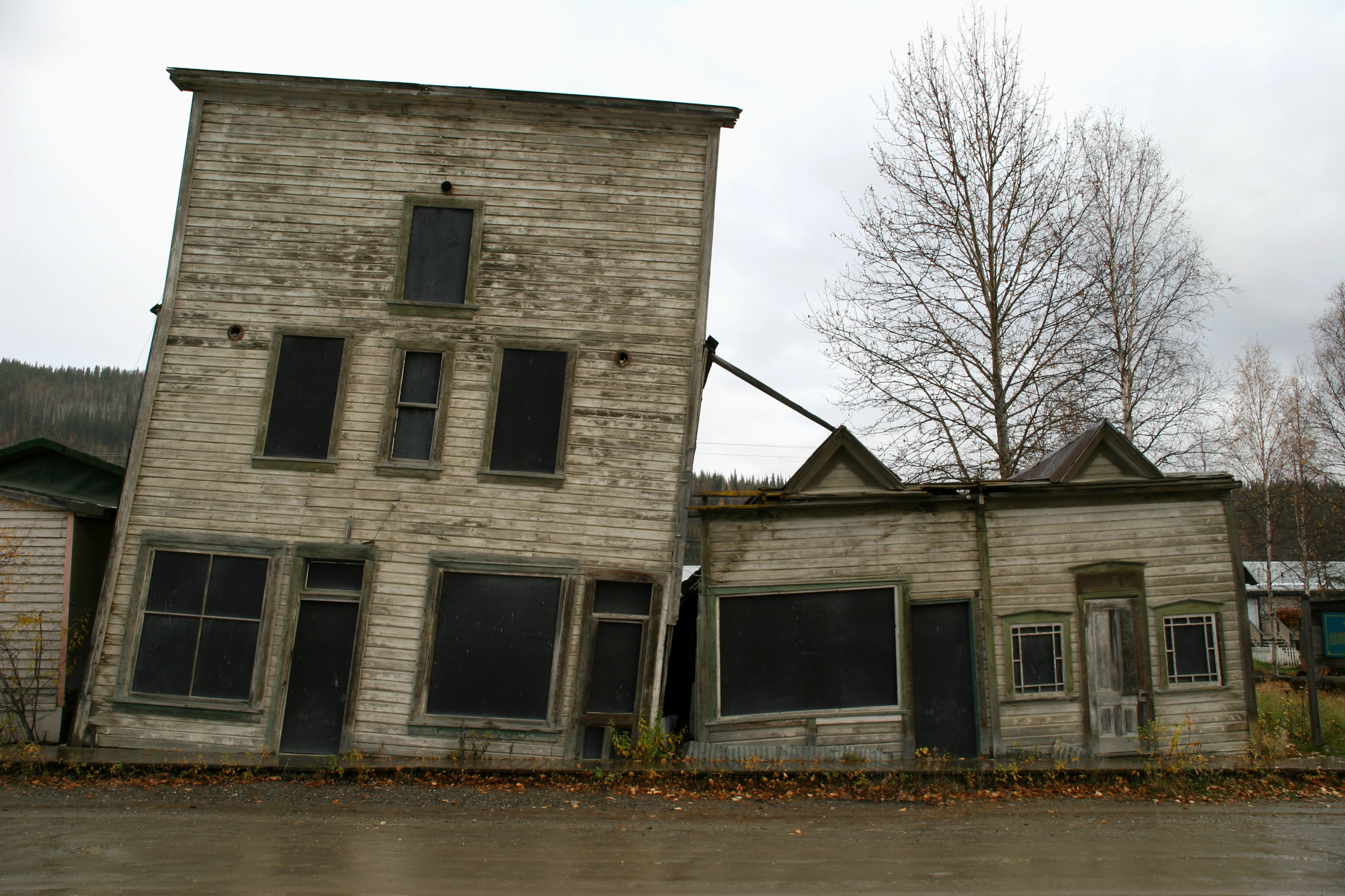
- Infrastructure Damage: The thawing ground can cause severe damage to buildings, roads, and other infrastructure built on previously stable frozen soil. Examples include damaged buildings in Dawson City, Canada, illustrating the structural risks.
Global Climate Implications
The Arctic's accelerated warming is not an isolated event. It has profound implications for global climate stability. The melting of Arctic sea ice, which has reached near-historic lows, threatens ocean currents crucial for regulating global temperatures. The permafrost carbon feedback loop, where melting permafrost releases greenhouse gases that cause further warming, is a major concern for climate scientists aiming to limit global temperature rise.
Measuring and Monitoring Permafrost Emissions
Accurately measuring greenhouse gas emissions from the vast and diverse permafrost regions presents significant challenges. Scientists employ a range of methods, including ground-based instruments, aircraft, and satellite technology. NASA's Arctic-Boreal Vulnerability Experiment (ABoVE) is one such initiative focused on Alaska and western Canada, aiming to better understand these emissions. The scale of the environment, from evergreen forests to sprawling tundra and intricate waterways, complicates monitoring efforts.

Studies, such as the one involving the Global Carbon Project's RECCAP-2 effort, have tracked carbon dioxide, methane, and nitrous oxide across millions of square miles of permafrost terrain between 2000 and 2020. These efforts are vital for understanding the net contribution of the permafrost region to global warming and for refining climate models.
The Broader Significance of Permafrost Melt
The thawing of permafrost is a stark indicator of the accelerating climate crisis. It underscores the interconnectedness of Earth's systems, demonstrating how changes in one region can have cascading global effects. The release of ancient organic material not only contributes to warming but also poses potential risks of reintroducing long-dormant diseases. Furthermore, the impact on local Arctic communities, affecting access to clean water, food, and cultural practices, is profound.


As Eileen Villegas noted in a May 2025 article, while extreme weather events are noticeable globally, the polar regions are warming at an accelerated rate, with permafrost melt being a critical factor. The world's oldest known permafrost, frozen for over 700,000 years, contains a vast historical record of past climates and potential threats. Understanding permafrost melt is not a distant problem; it directly affects global climate stability and future environmental conditions.

Addressing the Permafrost Melt Challenge
Mitigating the effects of permafrost melt requires global efforts to reduce greenhouse gas emissions and limit overall warming. Continued research and monitoring are essential to accurately assess the rate of thawing and the magnitude of greenhouse gas releases. International cooperation and policy interventions are crucial to address this complex and far-reaching environmental challenge. The permafrost melting consequences serve as a critical warning about the urgency of climate action.

Looking Ahead: The Urgency of Climate Action
The ongoing permafrost melt is a clear signal that the Earth's climate system is undergoing profound changes. The scientific consensus is unequivocal: immediate and substantial reductions in greenhouse gas emissions are necessary to avert the most catastrophic consequences of global warming. Addressing permafrost melt is not merely an environmental issue; it is a global imperative that demands concerted action from policymakers, industries, and individuals alike. The future stability of our planet hinges on our collective response to these critical environmental shifts.
Comments (0)
No comments yet. Be the first to share your thoughts!
Leave a Reply
Your email address will not be published. Required fields are marked *