Understanding Neap Tides and Spring Tides
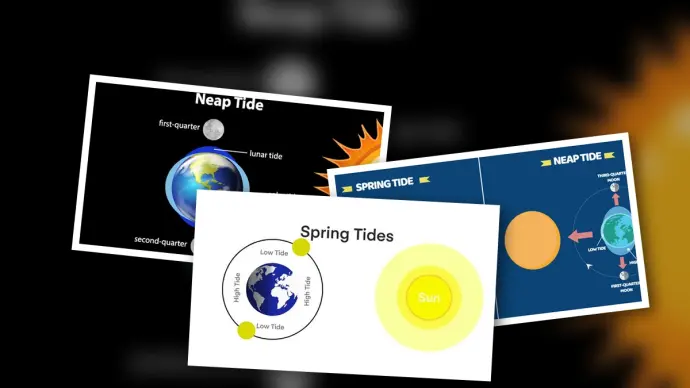
The gravitational dance between the moon, the sun, and the Earth orchestrates a remarkable phenomenon: the tides. Among these are the distinct patterns known as spring tides and neap tides, each occurring twice a month. While spring tides are characterized by extreme high and low water levels, neap tides exhibit more moderate variations. Understanding the celestial alignment and gravitational forces behind these tidal events is key to comprehending our planet's oceanic rhythms.
Key Differences Between Spring and Neap Tides
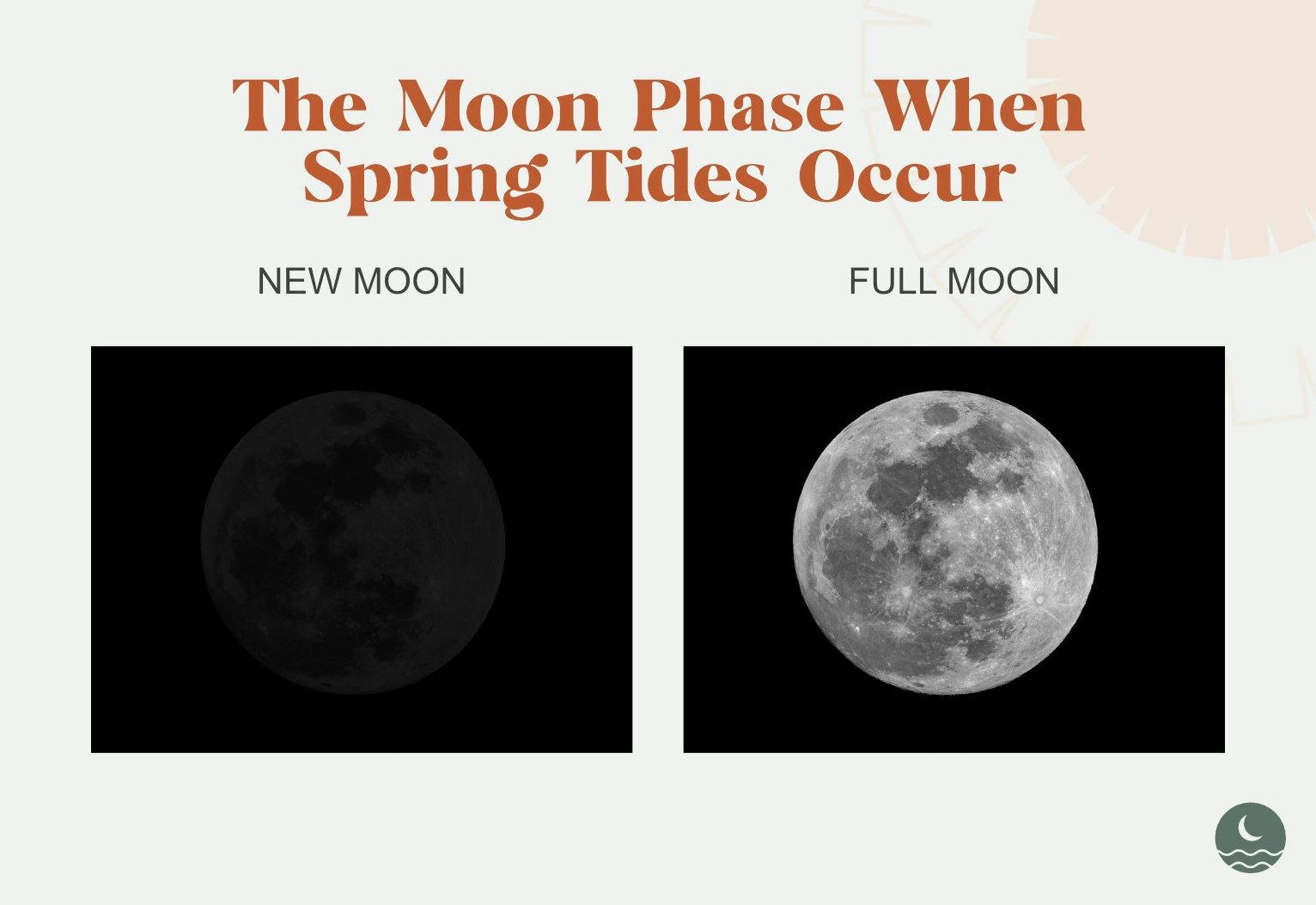
Spring tides, occurring during new and full moons, feature higher high tides and lower low tides due to the combined gravitational pull of the sun and moon. Neap tides, happening during the first and third quarter moons, have less extreme tidal ranges because the sun's gravitational pull partially counteracts the moon's.
The Mechanics of Tidal Bulges
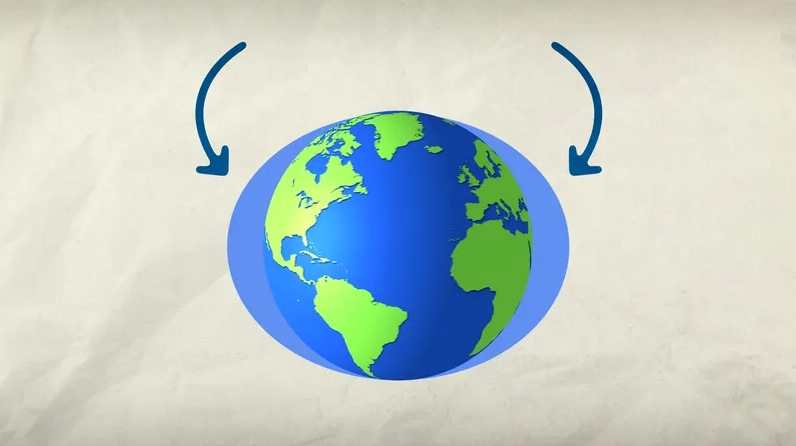
Tides are essentially long-period waves that traverse the planet. They are driven by the gravitational pull of the moon and, to a lesser extent, the sun. These celestial bodies exert a pull that causes the Earth's oceans to bulge. When the Earth, moon, and sun are nearly in alignment, as occurs during new and full moons, their combined gravitational forces result in larger tidal ranges.
What Defines a Spring Tide?
A spring tide is a common historical term that has nothing to do with the season of spring. The name originates from the concept of the tide "springing forth." These tides occur twice each lunar month, irrespective of the season. They are most pronounced when the Earth, sun, and moon are in a nearly straight line. This alignment typically happens during the new moon and full moon phases.
Gravitational Forces During Spring Tides
During new and full moons, the gravitational pull of the sun aligns with the gravitational pull of the moon. This additive effect amplifies the tidal forces, leading to higher high tides and lower low tides than average. The ocean bulges more significantly in response to this intensified, unified pull. The neap tide meaning is fundamentally different, characterized by reduced tidal ranges.
Impact of Spring Tides
The enhanced tidal range during spring tides can lead to more significant tidal currents. This can have a noticeable effect on coastal areas, potentially increasing the risk of flooding in low-lying regions or influencing coastal erosion patterns.
Exploring Neap Tides
Neap tides, in contrast to spring tides, represent a moderation in tidal ranges. These tides occur when the sun and moon are at approximately right angles to each other relative to the Earth. This alignment typically happens during the first and third quarter moon phases.
Gravitational Forces During Neap Tides
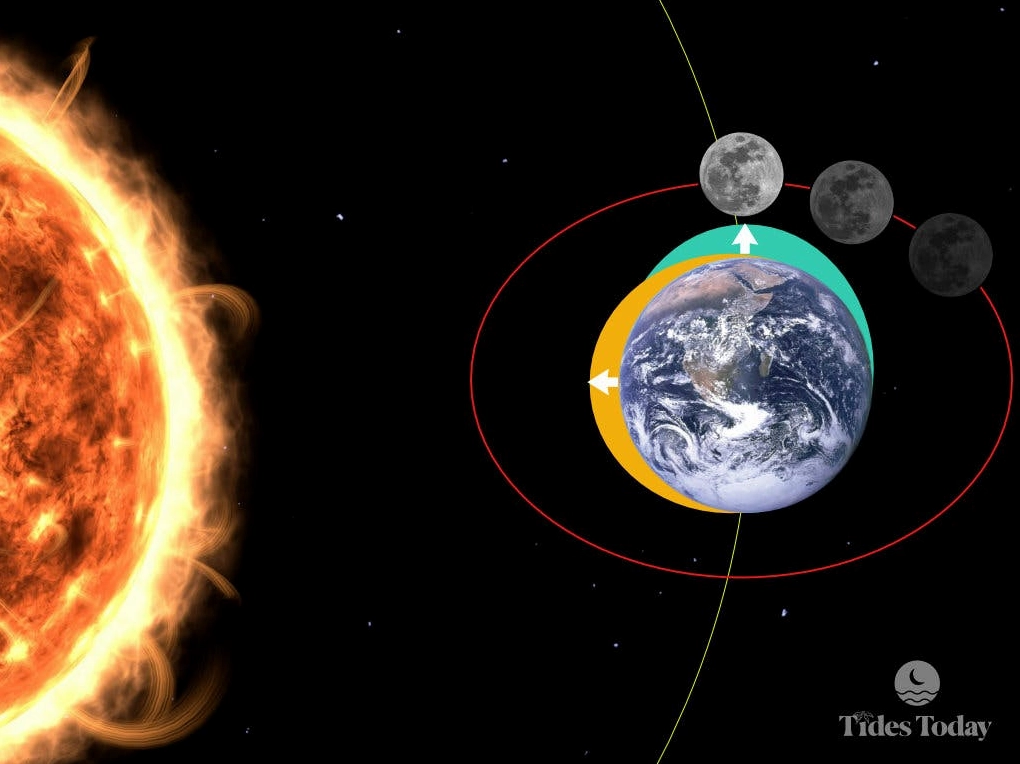
When the sun and moon are at right angles, their gravitational forces partially counteract each other. The sun's gravitational pull, acting perpendicular to the moon's pull, reduces the overall tidal force. As a result, the difference between high tide and low tide is less pronounced. The neap tides occur when the sun and moon are not aligned in a way that amplifies their gravitational effects.
Characteristics of Neap Tides
The result of these competing gravitational forces is that high tides are a little lower than average, and low tides are a little higher than average. This leads to the smallest tidal range experienced during the lunar cycle. The neap tide moon phase is crucial for observing this phenomenon.
Comparing Spring and Neap Tides
The fundamental difference between spring and neap tides lies in the alignment of the sun, Earth, and moon, which dictates the resultant gravitational forces on Earth's oceans. Both phenomena are integral parts of the predictable tidal cycle.
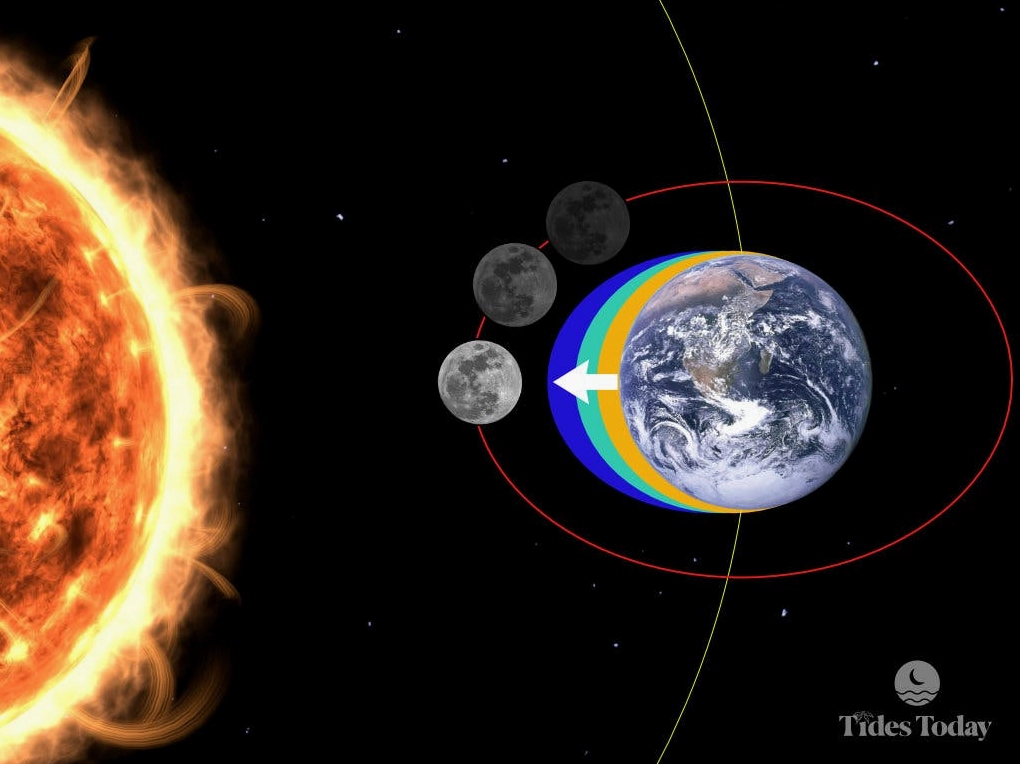
Here is a summary comparing the two tidal types:
| Feature | Spring Tides | Neap Tides |
|---|---|---|
| Occurrence | New Moon and Full Moon phases | First and Third Quarter Moon phases |
| Celestial Alignment | Sun, Earth, Moon in a straight line | Sun, Earth, Moon at right angles |
| Gravitational Forces | Combined and amplified | Partially counteract each other |
| Tidal Range | Greatest (Higher highs, lower lows) | Smallest (Lower highs, higher lows) |
| Impact on Coasts | More pronounced, potential for increased flooding/erosion | Less extreme, minimal impact |
The Role of NOAA's Predictions
Organizations like the National Oceanic and Atmospheric Administration (NOAA) take into account these astronomical considerations, including the precise positions of the moon and sun, to provide accurate tide and tidal current predictions. This ensures navigators, coastal planners, and researchers have reliable data.
Frequently Asked Questions About Tides
What is a neap tide?
A neap tide is a tide that occurs when the sun and moon are at right angles to each other relative to Earth, resulting in a smaller difference between high and low tides.
When do neap tides occur?
Neap tides occur during the first and third quarter moon phases, approximately a week after spring tides.
What causes neap tides?
Neap tides are caused by the gravitational forces of the sun and moon partially canceling each other out due to their perpendicular alignment with Earth.
How do neap tides differ from spring tides?
The primary difference is the tidal range: spring tides have extreme high and low tides due to aligned gravitational forces, while neap tides have moderate high and low tides due to partially opposing gravitational forces. The neap tide diagram clearly illustrates these differences.
What is a perigean spring tide?
A perigean spring tide is an exceptionally high spring tide that occurs when a spring tide coincides with the moon being at its closest point to Earth (perigee) in its orbit.
Final Thoughts on Tidal Cycles
The cyclical nature of tides, driven by the predictable movements of the moon and sun, shapes coastal environments and influences marine ecosystems. Whether experiencing the amplified forces of a spring tide or the moderated influence of a neap tide, these phenomena are a constant reminder of the intricate celestial mechanics governing our planet. Observing the phases of the moon offers a direct visual cue to understanding when these different tidal patterns will occur.
To learn more about tidal predictions and data, consult resources from NOAA's Center for Operational Oceanographic Products and Services.
Comments (0)
No comments yet. Be the first to share your thoughts!
Leave a Reply
Your email address will not be published. Required fields are marked *