Understanding Moonbows: A Rare Lunar Phenomenon
What Exactly Is a Moonbow?
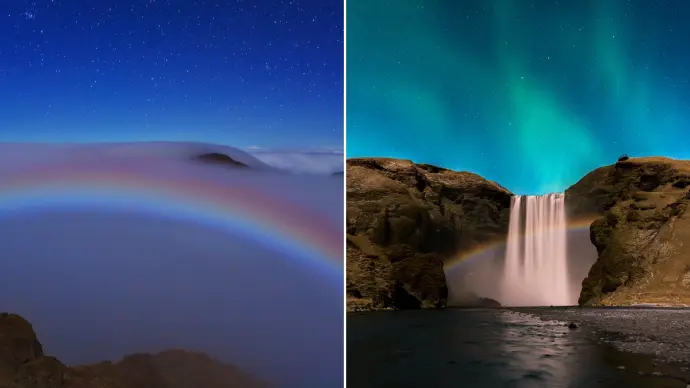
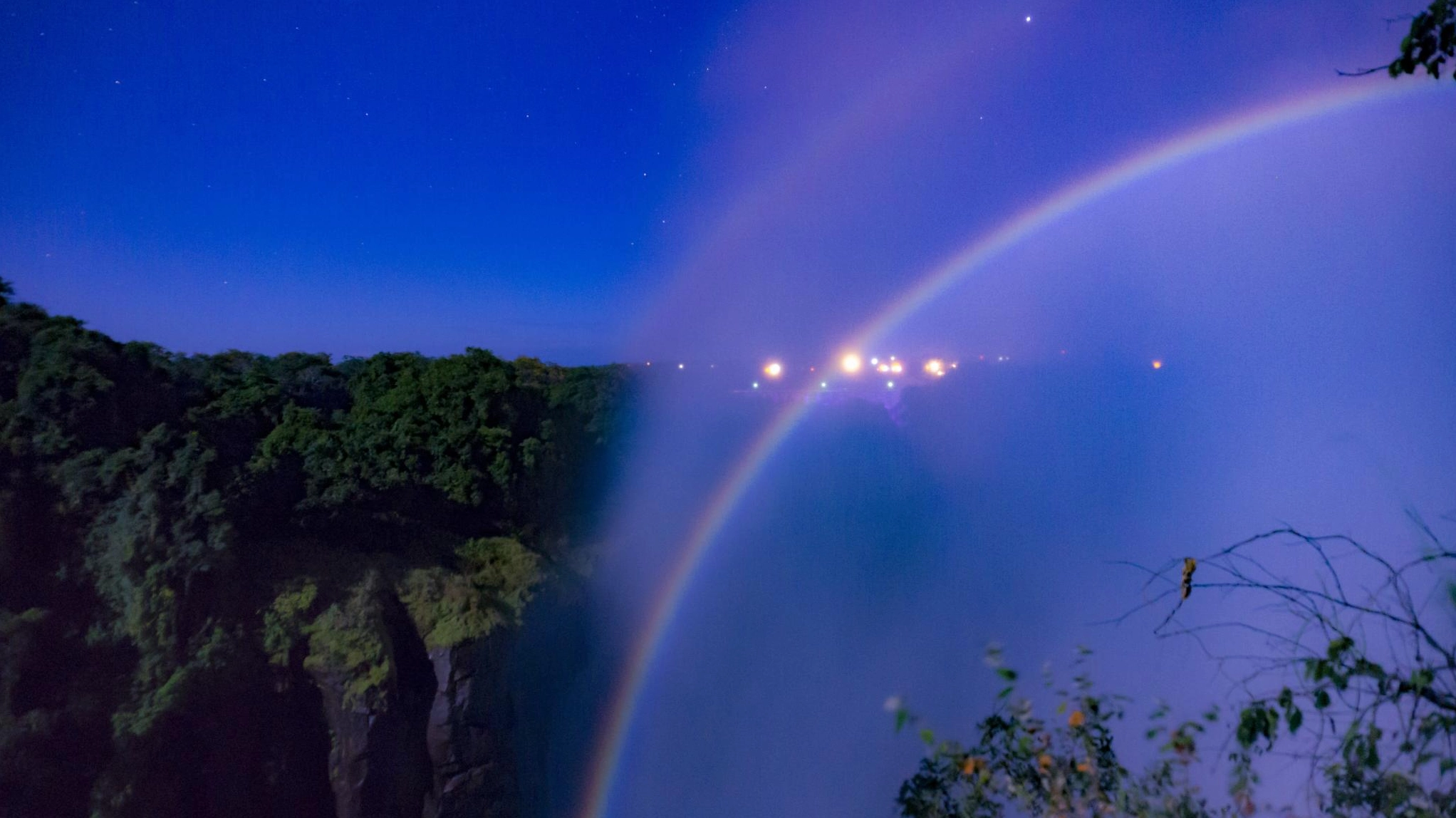
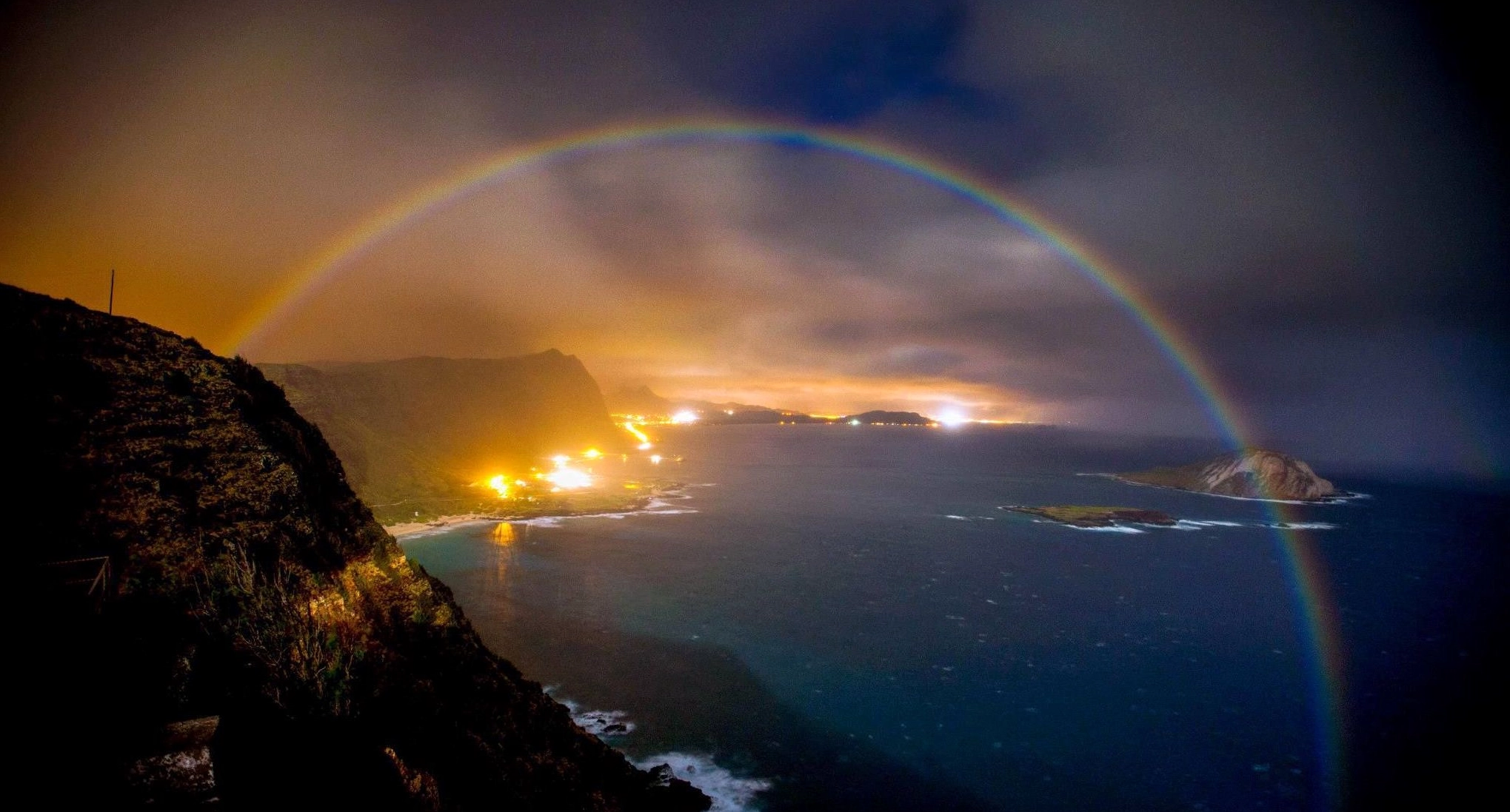
Imagine a rainbow gracing the night sky. This is precisely what a moonbow, also known as a lunar rainbow, is: a beautiful optical phenomenon that occurs when moonlight is refracted through water droplets in the atmosphere. Unlike its solar counterpart, which is illuminated by the sun, a moonbow is created by light from the moon. While rainbows are a common sight, moonbows are exceptionally rare, requiring a specific set of conditions to manifest.
The Science Behind Lunar Rainbows
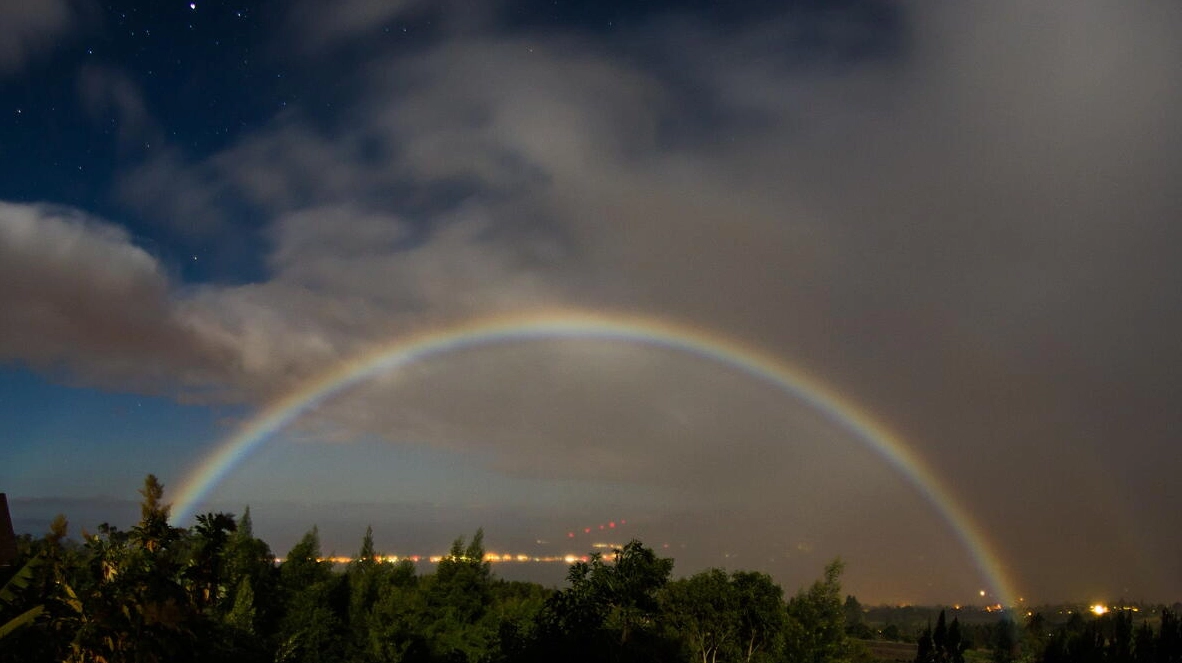
The formation of a moonbow mirrors that of a traditional rainbow. It begins with a light source—in this case, the moon—and water droplets suspended in the air. As light enters the water droplets, it refracts, bending and splitting into its constituent colors. However, due to the significantly lower intensity of moonlight compared to sunlight, moonbows often appear a pale white or faint gray to the naked eye. The full spectrum of colors is present, but our eyes struggle to perceive them in the diminished light. Photographers, however, can capture these elusive colors using long-exposure techniques or high-speed film.
The size of a moonbow is directly related to the moon's position in the sky. A lower moon results in a larger, more expansive arc. The most impressive moonbows typically occur when the moon is within an hour of rising or setting.
Conditions Necessary for a Moonbow Sighting
Witnessing a moonbow is a special event, as several precise conditions must align:
- The Moon's Phase: A full or nearly full moon is essential. This phase provides the maximum illumination necessary to create the phenomenon.
- Atmospheric Moisture: Water droplets must be present in the air. This can be in the form of rain, mist from a waterfall, or even sea spray.
- Clear Skies: The sky must be relatively clear, with minimal cloud cover between the observer and the water droplets.
- Darkness: A very dark sky is crucial. Artificial light pollution, such as city glow, can easily overwhelm the faint light of a moonbow, making it invisible. The ideal viewing conditions require a lack of light pollution.
When these elements converge, particularly when the moon is low in the sky (no more than 42 degrees above the horizon) and opposite the water source, the stage is set for a potential moonbow.
Where Can You See a Moonbow?
Certain locations around the globe offer a higher probability of experiencing a moonbow. These spots often combine the necessary elements of water, darkness, and clear skies.
Notable Moonbow Locations
- Hawaii, USA: Islands like Maui and the Big Island are renowned for their frequent moonbow sightings, thanks to abundant waterfalls and tropical rain. Areas like Kalalau Valley and the slopes of Haleakalā are prime spots.
- Victoria Falls, Zambia and Zimbabwe: This magnificent waterfall creates a constant mist, providing the perfect canvas for spectacular moonbows, especially during the wetter months.
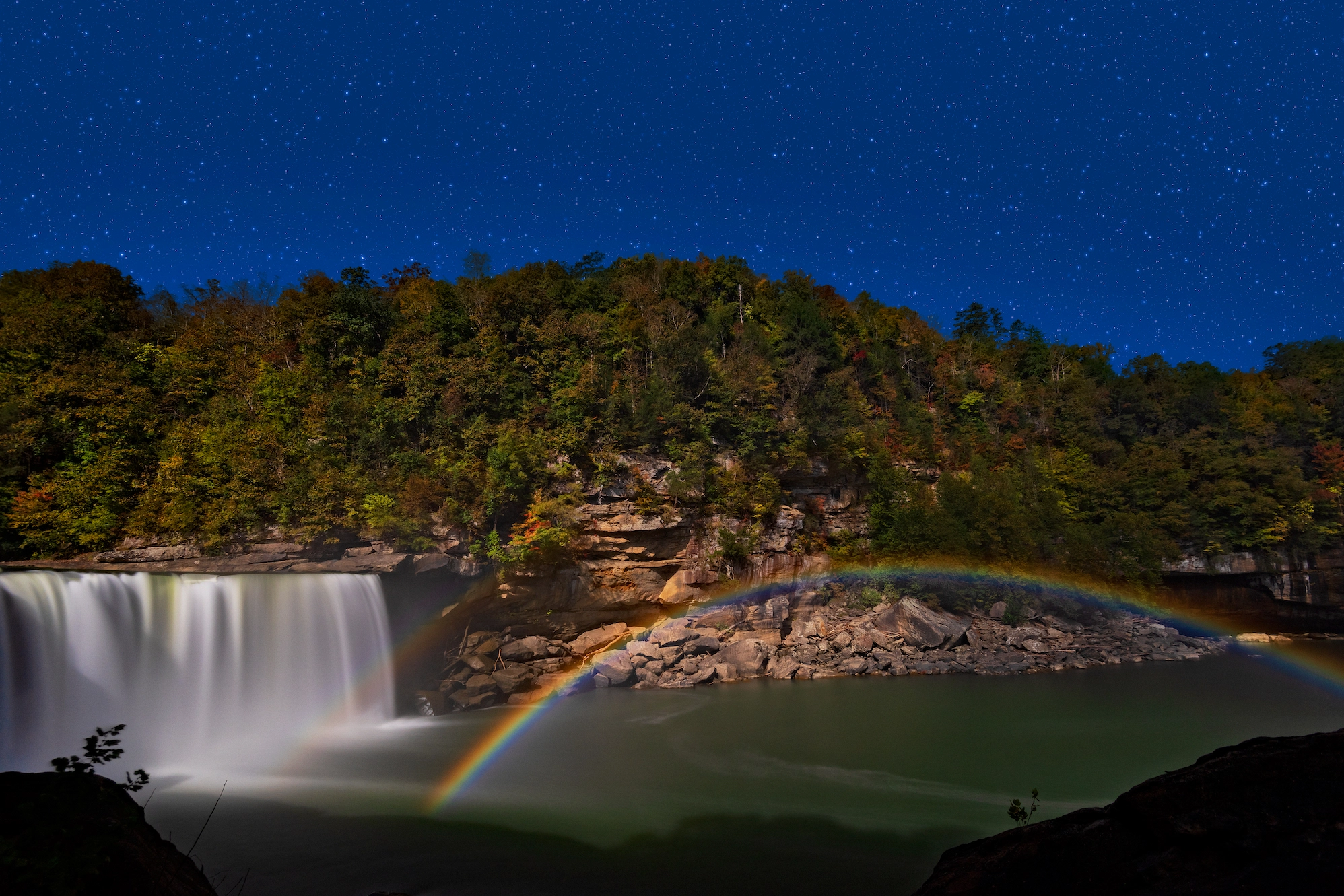
- Cumberland Falls State Park, Kentucky, USA: Often called the 'Niagara of the South,' Cumberland Falls is one of the most reliable places in the United States to see a moonbow, particularly around the full moon. The phenomenon is known as the moonbow Cumberland Falls experience.
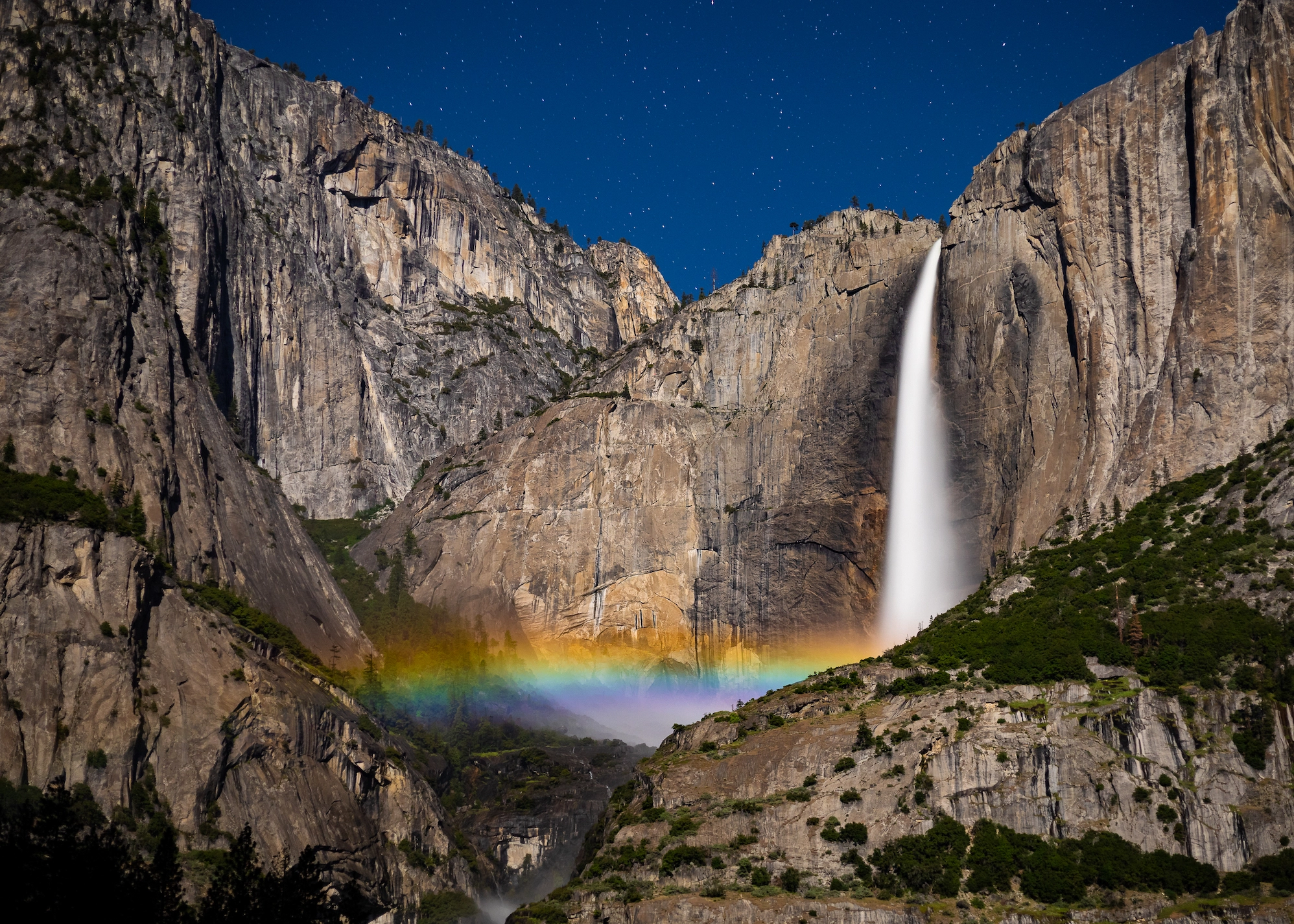
- Yosemite National Park, California, USA: Yosemite Falls can produce a moonbow under the right conditions, offering a magical sight for visitors.
- Iguazu Falls, Argentina and Brazil: Similar to Victoria Falls, the immense scale of Iguazu Falls generates sufficient mist for moonbows to appear.
- South Island, New Zealand: Locations near the Mt. John Observatory can offer dark skies conducive to viewing.
- Skye, Scotland: While less common, the dramatic landscapes and occasional rain make certain areas on the Isle of Skye potential locations.
For those specifically interested in the moonbow Kentucky offers, Cumberland Falls State Park is the destination. The natural beauty of moonbow India has been reported in areas with significant waterfalls, though less documented than other locations.
Capturing the Ethereal Glow: Moonbow Photography
Photographing a moonbow presents a unique challenge and reward. Since moonlight is faint, advanced photographic techniques are necessary. Long exposures are paramount, allowing the camera's sensor to gather enough light to reveal the subtle colors that the human eye might miss. Using a tripod to ensure stability during long exposures is essential. Experimenting with different camera settings, such as a wide aperture and a moderate ISO, can help capture the best results. Remember that the moon should be behind the photographer, illuminating the water droplets in front.
When is the Best Time to See a Moonbow?
The optimal time for spotting a moonbow aligns closely with the full moon. Aim for the nights closest to the full moon, ideally within two days before or after. The best viewing hours are typically a couple of hours after sunset or just before sunrise when the moon is lower in the sky. Patience and a bit of luck are key, as these celestial events are rare and depend on favorable weather and sky conditions.
Moonbows vs. Rainbows: Key Differences
While both phenomena involve the refraction of light through water droplets, the primary distinction lies in the light source and intensity. Rainbows are formed by direct sunlight, resulting in vivid colors. Moonbows, conversely, are formed by moonlight, which is essentially reflected sunlight. This difference in light intensity means moonbows are far less vibrant and often appear white or monochrome to the unaided eye. However, the underlying physics of light dispersion remains the same.
Conclusion: Chasing the Lunar Rainbow
The moonbow is a testament to the breathtaking beauty and occasional wonder of the natural world. Its rarity only adds to its allure, making any sighting a truly memorable experience. Whether you're a seasoned astronomer, a passionate photographer, or simply a nature enthusiast, the quest to witness a moonbow offers a unique adventure. By understanding the conditions required and the best locations to explore, you increase your chances of beholding this extraordinary lunar spectacle. Remember to seek out dark sky locations and be patient, for the night sky holds wonders far beyond the ordinary.
Comments (0)
No comments yet. Be the first to share your thoughts!
Leave a Reply
Your email address will not be published. Required fields are marked *