Understanding Hoarfrost: Formation, Characteristics, and Differences from Rime Ice

What Exactly Is Hoarfrost?
Hoarfrost refers to a fascinating atmospheric phenomenon characterized by the deposit of ice crystals on objects exposed to the free air. These delicate formations commonly appear on grass blades, tree branches, and leaves during cold weather. The term "hoarfrost" itself originates from the Old English, evoking an image of frost resembling an old man's beard, hinting at its often intricate and wispy appearance.
While many people associate frost with any ice formation on cold surfaces, hoarfrost is a distinct type. It forms through the direct condensation of water vapor into ice at temperatures below freezing. This process occurs when the air, sufficiently moist, is cooled to its frost point, causing the water vapor to bypass the liquid stage and deposit directly as ice crystals.

The Science Behind Hoarfrost Formation
The formation of hoarfrost is a precise meteorological event that requires specific conditions. It is crucial that temperatures are at or below 0° Celsius (32° Fahrenheit). However, sub-freezing temperatures alone are insufficient. The air must also possess a considerable amount of moisture. This humidity allows the air to reach saturation when cooled, triggering the condensation process.
Hoarfrost formation is analogous to dew formation, with a critical distinction. Dew forms when air cools to its dew point, and saturation occurs at temperatures above freezing. In contrast, hoarfrost requires cooling below the freezing point. If there is insufficient moisture in the air, hoarfrost will not form, even if temperatures are well below freezing. In such cases, water within plant tissues may freeze, leading to a condition known as black frost.
The presence of an influx of moisture into a sufficiently cold region is the key to hoarfrost's formation. This moisture can originate from various sources, including humid air gently flowing into an area or evaporation from unfrozen bodies of water like streams or lakes. Some of the most remarkable hoarfrost displays can be found downstream of thermal sources, such as sewage treatment plants or warm springs, where the released moisture freezes onto cold surfaces.
Distinguishing Hoarfrost from Rime Ice
While visually similar, hoarfrost and rime ice are distinct phenomena with different formation processes. Hoarfrost forms directly from water vapor to ice crystals on a surface. Rime ice, on the other hand, forms when supercooled water droplets, typically found in fog or clouds, come into contact with a sub-freezing object. These droplets freeze rapidly upon impact, creating a milky or opaque ice deposit.

Rime ice tends to form in more dynamic weather conditions, often associated with fog or mist. The ice crystals in rime can appear feathery or granular, depending on the size and density of the water droplets. Hoarfrost, with its direct vapor-to-ice conversion, often results in more delicate, crystalline structures, sometimes growing into long needles.
Visual Characteristics and Occurrence
Hoarfrost can create breathtaking scenes, transforming ordinary landscapes into ethereal winter wonderlands. The ice needles in hoarfrost can, in extreme cases, grow to several inches in length. These formations can appear on the sides and undersides of objects, not just on the top surfaces.
The appearance of hoarfrost is a beautiful yet fleeting spectacle. It is most commonly observed on calm, frigid mornings, often after a period of clear skies and stable atmospheric conditions that allow for radiative cooling. The moisture content in the air plays a critical role; higher humidity levels generally lead to more pronounced hoarfrost formations.
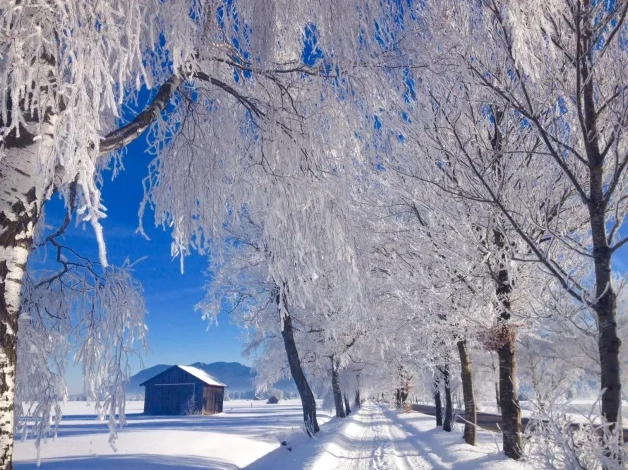
Understanding the conditions necessary for hoarfrost is key to appreciating its occurrence. While frost is a relatively common sight, the conditions required for the more spectacular hoarfrost are less frequent, making its appearance all the more special. This natural phenomenon is a testament to the intricate interplay of temperature, moisture, and atmospheric pressure.
Hoarfrost in Popular Culture and Gaming
Beyond its meteorological significance, the concept of hoarfrost has permeated various aspects of popular culture. In the gaming world, for instance, terms like "hoarfrost stomp" have gained recognition. This refers to a specific Ash of War in the game Elden Ring, which allows players to unleash a frost-infused attack. Discovering the hoarfrost stomp location in Elden Ring or understanding its capabilities adds another layer to the term's multifaceted presence.
The visual imagery associated with hoarfrost, such as a "hoarfrost footprint" left on a surface or the "hoarfrost reach" of its icy tendrils, contributes to its evocative nature in literature and art. While these references may differ from the scientific definition, they highlight the widespread impact of the term and its associated imagery.
Conclusion: The Delicate Beauty of Frozen Vapor
Hoarfrost is a captivating meteorological phenomenon that transforms the environment with its delicate ice crystals. Formed by the direct deposition of water vapor onto sub-freezing surfaces, it requires specific conditions of low temperature and high humidity. While distinct from rime ice, both contribute to the stunning visual displays of winter weather.
Appreciating hoarfrost involves understanding the delicate balance of atmospheric conditions that allow it to form. Whether observed in nature or referenced in popular culture, its icy beauty continues to fascinate. The next time you witness a frosty morning, take a moment to consider the intricate process that created such a delicate masterpiece.
Comments (0)
No comments yet. Be the first to share your thoughts!
Leave a Reply
Your email address will not be published. Required fields are marked *