Understanding Heatwaves: Risks, Impacts, and Preparedness
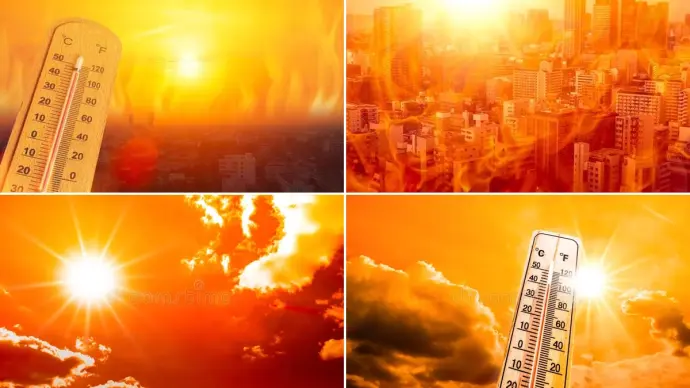
Extreme heat, often manifesting as intense heatwaves or prolonged periods of high temperatures and humidity, poses one of the deadliest weather and climate hazards globally. These conditions elevate risks to human health, ecosystems, infrastructure, and livelihoods. Understanding the nuances of heatwaves is crucial for effective preparedness and mitigation efforts.
Key Takeaways: Heatwaves are periods of abnormally hot and humid weather, defined by local thresholds. They disrupt the body's natural cooling process and can lead to severe health impacts. Monitoring and forecasting are essential for public safety.
Defining and Recognizing Heatwaves
A heatwave is not merely a sequence of hot days; it is characterized by a build-up of excess heat over successive days and nights. While a global temperature value cannot define a heatwave due to regional climate variations, local thresholds are used. For instance, temperatures above 30°C can constitute a severe heatwave in sub-Arctic regions, whereas such temperatures are common and less extreme in tropical cities. The lack of cooler nights for recovery exacerbates the impact of heatwaves.
The concept of 'apparent temperature' is vital, as it considers factors beyond just air temperature. The Heat Index, for example, factors in relative humidity, indicating how hot it truly feels to the human body. High humidity impairs the body's ability to cool itself through sweat evaporation. Conversely, very hot and dry air, especially with strong winds, can also be extremely hazardous.
Impacts of Extreme Heat and Heatwaves
The consequences of extreme heat are far-reaching:
- Human Health: Heat-related illnesses and fatalities are a major concern. The United States, for example, has officially recorded an average of 129 heat-related deaths annually since 1986. Thermal heat stress, the strain on the human body from heat and humidity, can overwhelm natural temperature regulation.
- Ecosystems and Agriculture: Vegetation dries out, increasing wildfire risk. Crops, plants, and animal species face significant stress, impacting biodiversity and food security. Marine heatwaves also threaten coastal ecosystems and fisheries.
- Infrastructure: Energy and transport systems can experience increased pressure due to high demand for cooling and potential damage from extreme temperatures.

Monitoring and Forecasting Heat Events
Effective monitoring and forecasting are essential for mitigating the risks associated with extreme heat. Global observing systems, including surface weather stations and satellites, collect crucial data on temperature and environmental conditions. National Meteorological and Hydrological Services (NMHSs) use this data, often combined with numerical weather models, to track heat events and understand long-term climate patterns. Advanced tools like reanalysis datasets help fill observational gaps, improving our understanding of heat conditions across various regions.
Understanding Different Heat Stress Indicators
Several indices help quantify the danger posed by heat:
- Heat Index: Often called "apparent temperature," it combines air temperature and relative humidity to measure how hot it feels to the human body. It is particularly relevant in humid climates. Full sunshine can increase the Heat Index by up to 15°F.
- Wet Bulb Globe Temperature (WBGT): This measure is gaining attention for assessing heat stress, especially in regions like the southeastern United States. It considers air temperature, humidity, solar radiation, and wind speed.
Preparedness and Safety During Heatwaves
Given that heat is the top weather-related killer in the United States, preparedness is paramount. Heat waves, developing over days, may not trigger the same immediate response as severe thunderstorms, making proactive measures vital. Staying informed through weather alerts, such as Wireless Emergency Alerts, and following guidance from organizations like NOAA are crucial steps.
Key safety measures include:
- Staying hydrated by drinking plenty of fluids.
- Seeking cool environments, such as air-conditioned buildings or shaded areas.
- Wearing lightweight, light-colored clothing.
- Limiting strenuous outdoor activities during the hottest parts of the day.
- Checking on vulnerable individuals, such as the elderly and young children.

The Role of Data and Forecasting
Detailed data on Damage/Fatality/Injury Statistics, alongside Forecast Models and GIS Data Portals, are instrumental for understanding and predicting heatwave impacts. Resources like NOAA Weather Radio and publications from organizations promoting StormReady and TsunamiReady status provide vital information for communities to prepare for and respond to extreme weather events, including heatwaves in europe and other regions.
Comments (0)
No comments yet. Be the first to share your thoughts!
Leave a Reply
Your email address will not be published. Required fields are marked *