Understanding Hail: Formation, Size, Fall Speed, and Impact

Hail is a captivating yet potentially destructive form of precipitation that originates within the powerful updrafts of thunderstorms. These icy projectiles, ranging from small pellets to large stones, can cause significant damage to property and pose a threat to life. Understanding the intricacies of hail formation, its characteristics, and its impact is crucial for preparedness and safety.
Key Hail Characteristics: Hailstones form in cumulonimbus clouds, can contaminate rainfall estimates due to high reflectivity, and their size is a critical factor in warning systems. The probability of hail (POH) is a key metric in forecasting severe thunderstorms.
The Science Behind Hail Formation
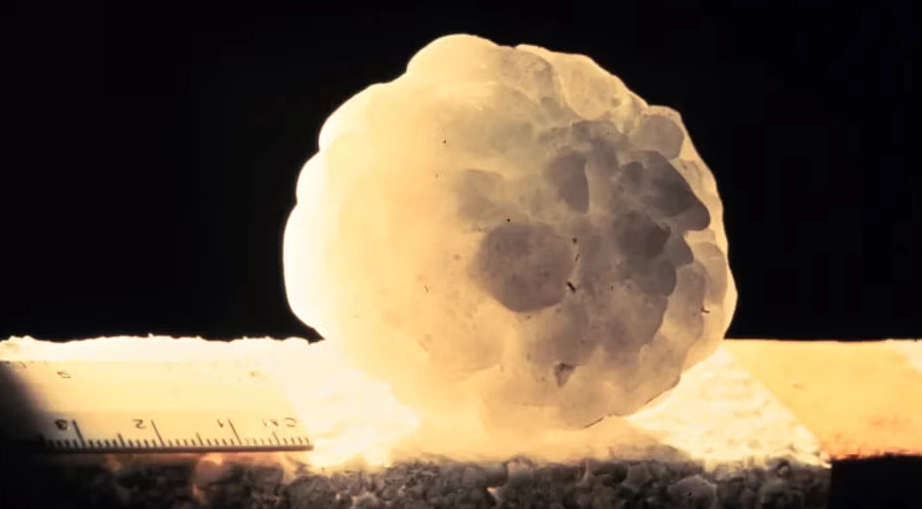
Hailstones are born when raindrops are lofted by strong thunderstorm updrafts into extremely cold atmospheric regions, where they freeze. As these ice particles ascend and descend within the storm, they collide with supercooled liquid water droplets. These droplets freeze instantaneously upon contact, causing the hailstone to grow layer by layer. The texture of the ice—whether cloudy or clear—depends on the speed at which the water freezes and whether air bubbles become trapped.
The process is complex and influenced by various atmospheric conditions:
- Updraft Strength: A robust updraft is essential to keep hailstones suspended, allowing them to grow to significant sizes.
- Temperature and Water Content: Variations in temperature and the availability of liquid water at different altitudes within the storm contribute to the layered structure of hailstones.
- Horizontal Winds: Unlike simple up and down motion, horizontal winds within a thunderstorm, often due to rotating updrafts in supercells, can influence hailstone trajectories and growth.
Hail Size and Its Significance
The size of hailstones is a critical factor in assessing the threat they pose. Meteorologists often use comparisons to common objects to describe hail size, providing a relatable scale for the public. The diameter is the primary measurement, and understanding these sizes is vital for issuing accurate warnings.
Here's a typical scale used for reporting hail size:
| Description | Diameter (inches) | Equivalent Object |
|---|---|---|
| Pea | 0.25 | Pea |
| Marble or Mothball | 0.50 | Marble |
| Penny or Dime | 0.75 | Penny |
| Nickel | 0.88 | Nickel |
| Quarter | 1.00 | Quarter |
| Half Dollar | 1.25 | Half Dollar |
| Walnut or Ping Pong Ball | 1.50 | Walnut |
| Golfball | 1.75 | Golfball |
| Hen's Egg | 2.00 | Egg |
| Tennis Ball | 2.50 | Tennis Ball |
| Baseball | 2.75 | Baseball |
| Tea Cup | 3.00 | Tea Cup |
| Grapefruit | 4.00 | Grapefruit |
| Softball | 4.50 | Softball |
The 'Hail Index' is a meteorological product that indicates the likelihood of a thunderstorm producing hail, with larger hail sizes signaling more severe conditions.
How Hail Falls to the Ground
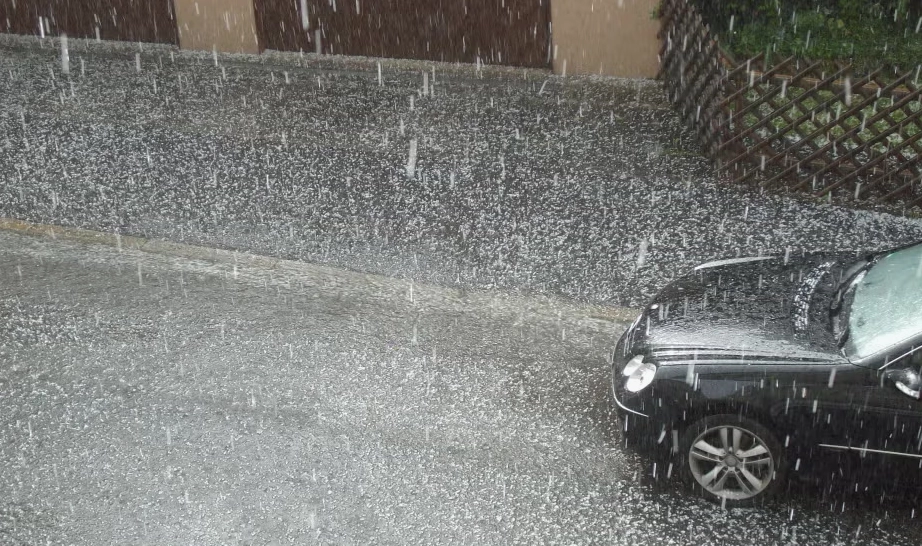
Hailstones fall when their weight becomes too great for the thunderstorm's updraft to support. Gravity then pulls them toward the Earth. Smaller hailstones are more susceptible to being blown away by horizontal winds, meaning larger hailstones often fall closer to the core updraft. The conditions at the surface also play a role; strong surface winds can cause hail to fall at an angle, or even nearly sideways, leading to wind-driven hail that can cause extensive damage to structures and vehicles.
Hail Fall Speed: A Complex Calculation
Determining the exact speed at which hail falls is complex, influenced by several factors. These include the size and shape of the hailstone, air resistance, local wind conditions (both vertical and horizontal), and the degree to which the hailstone melts on its descent.
Research indicates that natural hailstones fall more slowly than solid ice spheres would, due to their irregular shapes. Expected fall speeds vary significantly with size:
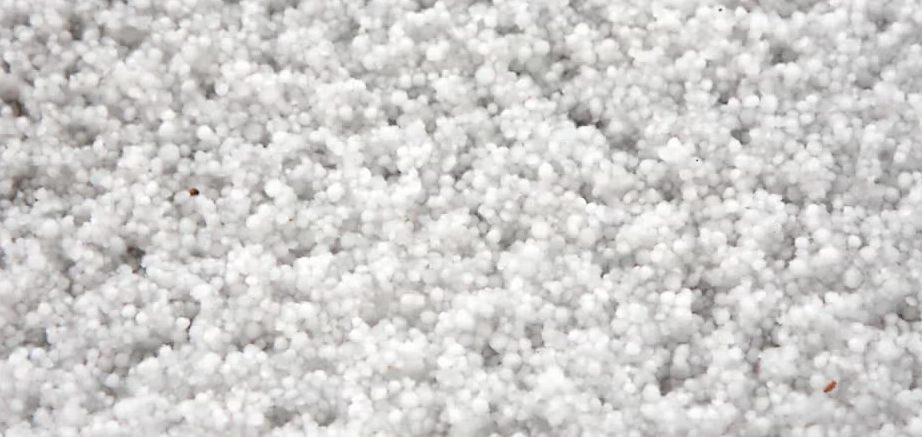
- Small Hailstones (<1-inch diameter): Expected fall speeds range from 9 to 25 mph.
- Severe Thunderstorm Hail (1-inch to 1.75-inch diameter): Expected fall speeds are between 25 and 40 mph.
- Very Large Hail (2-inches to 4-inches diameter): Expected fall speeds can reach between 44 and 72 mph in the strongest supercells.
It's important to note that there is considerable uncertainty in these estimates, particularly for the largest hailstones.
The Impact of Hail
Hail can have severe consequences. In agriculture, it can decimate crops in minutes. For homeowners, large hail can cause significant damage to roofs, windows, and siding. Automobile owners often face broken windshields and dented bodies. In more extreme cases, large and wind-driven hail can be deadly to livestock and pose a serious risk to human life. Additionally, the high reflectivity associated with hail in radar data can lead to 'Hail Contamination,' where rainfall estimates are artificially inflated, potentially misleading forecasters about the severity of precipitation.
Conclusion
Hail is a powerful meteorological phenomenon driven by the dynamics of thunderstorms. From its formation high in the atmosphere to its potentially devastating impact on the ground, hail demands respect and understanding. By monitoring hail size, understanding fall speeds, and heeding severe weather alerts, communities can better prepare for and mitigate the risks associated with these icy projectiles. Staying informed about weather forecasts and warnings is the best defense against the dangers of severe weather events.
Comments (0)
No comments yet. Be the first to share your thoughts!
Leave a Reply
Your email address will not be published. Required fields are marked *