Understanding Haboobs: Formation, Dangers, and Safety Measures
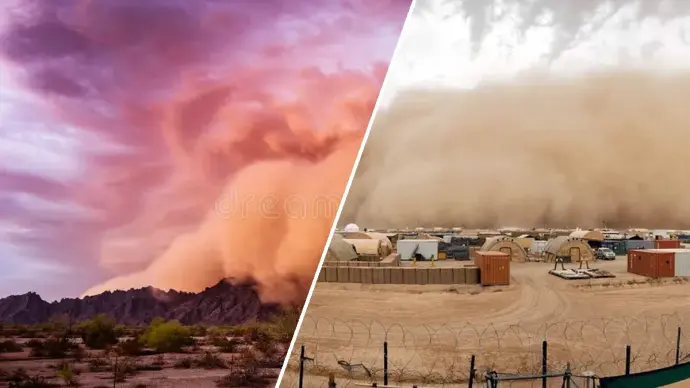
A haboob is a meteorological phenomenon that transforms arid landscapes into scenes of reduced visibility and potential hazard. These massive dust storms, characterized by towering walls of sand and debris, are most prevalent in the southwestern United States but can occur in other dry regions globally. Understanding what a haboob is, how it forms, and the necessary precautions is vital for anyone living in or traveling through affected areas.
What is a Haboob?
A haboob is essentially a severe dust storm generated by the outflow winds of a decaying thunderstorm. It manifests as a dense, advancing wall of dust and sand, often stretching for miles and reaching thousands of feet high. These events can dramatically reduce visibility, creating hazardous conditions, especially for motorists.
How Haboobs Form
The genesis of a haboob lies in powerful downdrafts from thunderstorms. As these winds descend rapidly, they pick up loose sand and dirt from the ground. This lifted material is then propelled forward, creating the characteristic wall-like structure of a dust storm. Factors contributing to haboob formation include dry conditions, strong thunderstorm activity, and loose, erodible soil, making areas like Arizona particularly susceptible.
The Role of Thunderstorms
Thunderstorms act as the primary engine for haboob formation. When thunderstorms dissipate, the air that was drawn upwards cools and becomes denser, causing it to plunge towards the ground. This powerful outflow of air can travel for considerable distances, acting as a bulldozer that scoops up vast quantities of dust and sand.
Geographical Prevalence
While haboobs can occur anywhere with suitable conditions, they are most frequently observed in arid and semi-arid regions. The southwestern United States, including states like Arizona, New Mexico, and parts of Texas, experiences these phenomena regularly, particularly during the summer monsoon season. Understanding the regional patterns of haboob lubbock and haboob arizona today is crucial for local preparedness.

The Scale and Intensity of Haboobs
The sheer scale of haboobs can be awe-inspiring, yet they are formidable natural events. These dust walls can reach heights of up to 10,000 feet, and the accompanying wind gusts can range from 50 to 70 miles per hour. Such intense winds are capable of toppling trees and transforming everyday objects into dangerous flying debris.
Wind Speeds and Impact
The high wind speeds associated with a haboob can cause significant damage. Structures not built to withstand strong winds can be compromised, and the constant bombardment of airborne particles can exacerbate erosion. The haboob wind is a powerful force that reshapes landscapes and poses a direct threat to infrastructure.
Visibility Reduction
Perhaps the most immediate danger posed by a haboob is the drastic reduction in visibility. Visibility can plummet to mere feet, making it nearly impossible to navigate safely. This is particularly perilous for drivers, as the sudden onset of such conditions can lead to accidents.
Dangers Associated with Haboobs
Beyond the immediate threat to drivers, haboobs present several significant dangers. The reduced visibility is a primary concern, but the accompanying dust and air quality issues also pose health risks.
Motorist Hazards
A dust storm usually arrives suddenly, presenting drivers with little warning. The
Comments (0)
No comments yet. Be the first to share your thoughts!
Leave a Reply
Your email address will not be published. Required fields are marked *