Understanding Global Warming: Causes, Effects, and the Urgency for Action
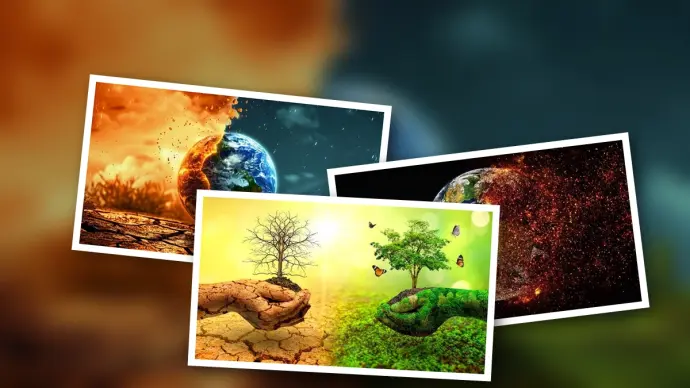
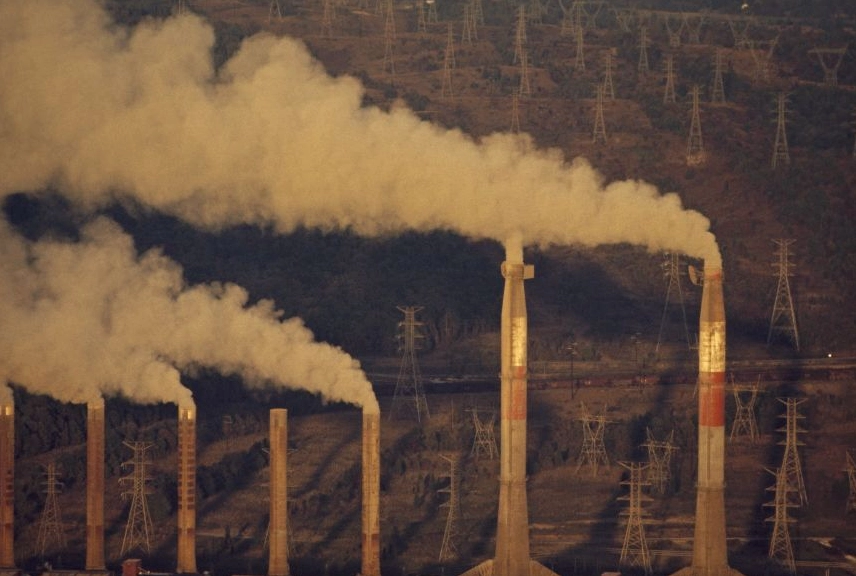
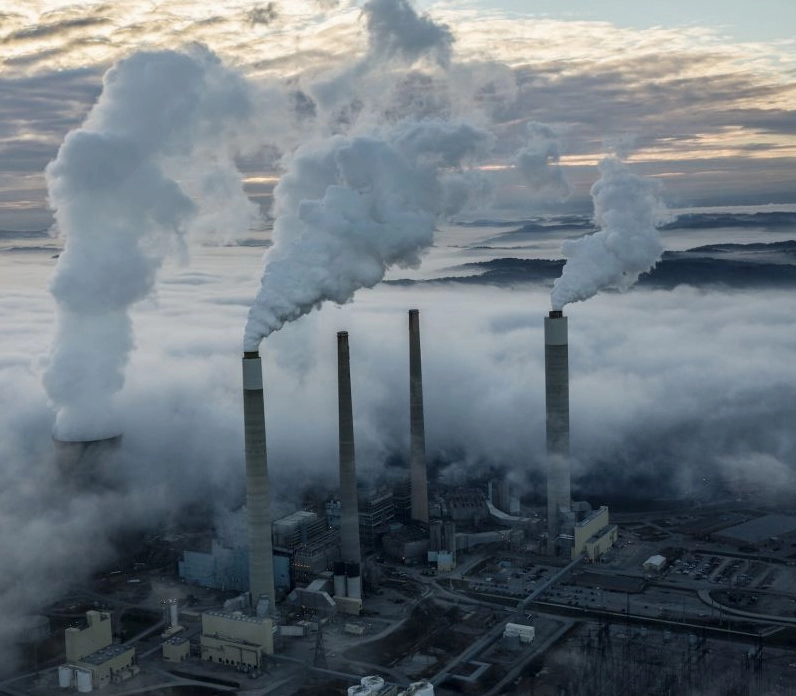
Global warming refers to the significant increase in the planet’s average temperature observed in recent decades. While Earth's climate has always been influenced by natural cycles, the current rapid pace of change far exceeds what natural processes alone can explain. This accelerated warming is primarily attributed to human activities, particularly the extensive use of fossil fuels such as coal, oil, and natural gas for energy. The combustion of these fuels releases greenhouse gases into the atmosphere, intensifying the natural greenhouse effect and trapping excess heat. This phenomenon is a critical driver of the broader issue of climate change, posing serious threats to life on Earth.
The Science Behind the Warming Trend
The greenhouse effect is a natural process essential for maintaining Earth's temperature, allowing life to flourish. However, human activities have amplified this effect. Burning fossil fuels releases gases like carbon dioxide, methane, and nitrous oxide, which are highly effective at trapping heat. These emissions have dramatically increased since the Industrial Revolution, particularly since the 1980s, leading to a noticeable rise in global average temperatures. Climate scientists have unequivocally demonstrated that human actions are responsible for virtually all of the global heating observed over the last two centuries. The Earth’s average surface temperature is now approximately 1.44°C warmer than in the late 1800s, before the industrial revolution, and warmer than at any point in the last 100,000 years. This alarming trend indicates that global warming is one of the most serious issues that the world is facing today.
Distinguishing Global Warming from Climate Change
It is common for the terms "global warming" and "climate change" to be used interchangeably, yet they represent distinct concepts. Global warming specifically denotes the rise in Earth's average temperature. Climate change, on the other hand, encompasses the broader shifts in weather patterns, growing seasons, and other climatic conditions around the world. Global warming acts as a catalyst for climate change, which in turn presents a severe threat to the planet's ecosystems and inhabitants.
Manifestations and Consequences of a Warming Planet
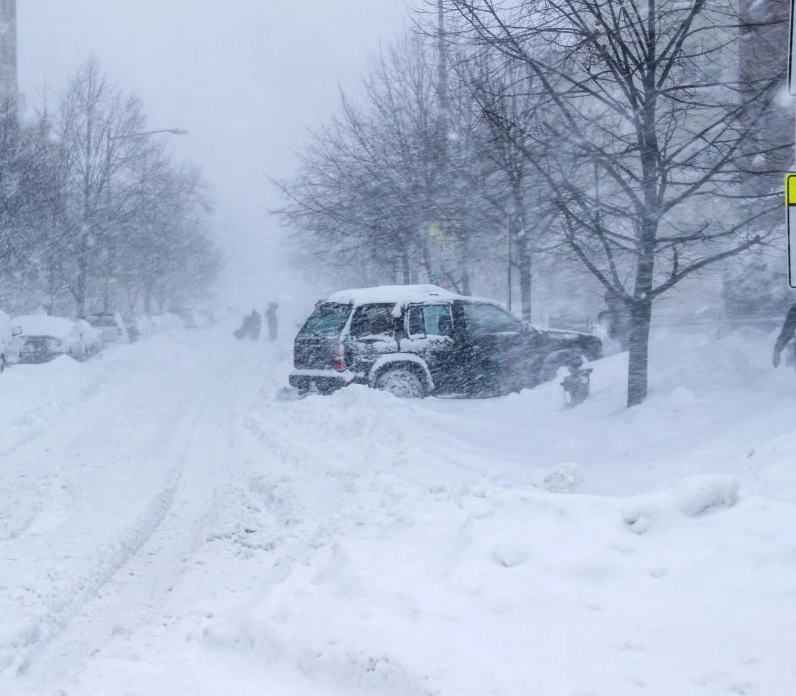
The impacts of global warming are palpable worldwide, manifesting as altered weather patterns and more extreme climate events. These include:
- Intense Droughts and Water Scarcity: Changing precipitation patterns lead to prolonged dry spells in some regions, impacting agriculture and water availability.
- Severe Wildfires: Increased temperatures and drier conditions create environments more susceptible to devastating wildfires.
- Extreme Storms and Flooding: Warmer oceans contribute to more intense storms, while melting ice sheets and glaciers cause sea levels to rise, increasing coastal flooding risks.
- Ecosystem Alterations and Biodiversity Loss: Rising temperatures force species to migrate to cooler areas, and many face extinction if temperatures continue to climb. Coral reefs, vital marine habitats, are particularly vulnerable to ocean warming.
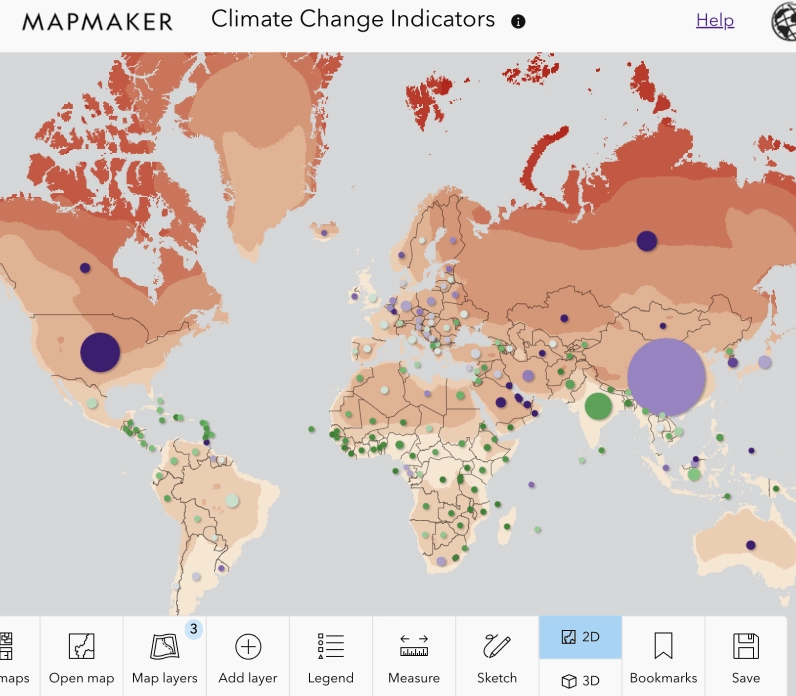
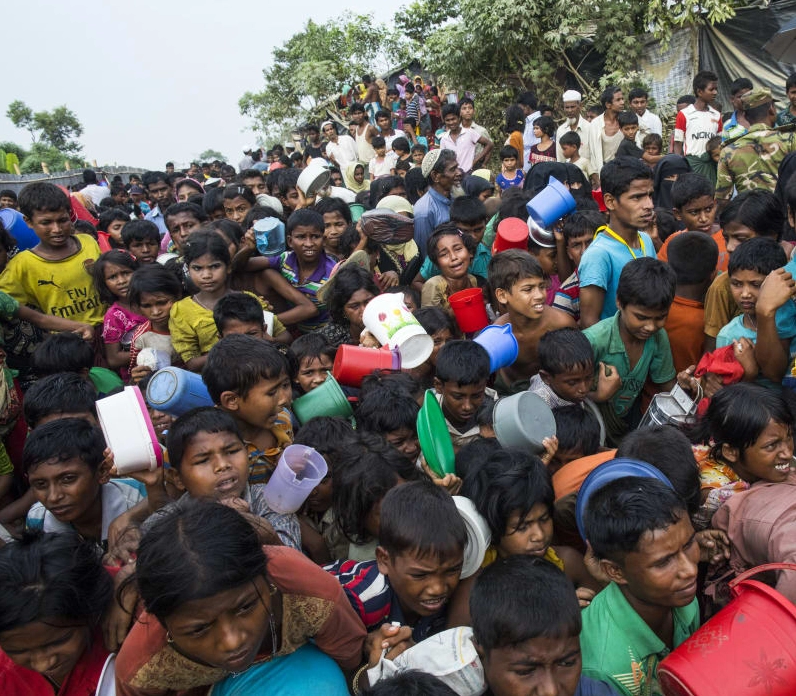
The consequences extend to human societies, affecting health, food security, housing, safety, and livelihoods. Vulnerable populations, such as those in small island nations and developing countries, often bear the brunt of these impacts, with conditions like sea-level rise forcing entire communities to relocate.
Human Responsibility and the Path Forward
The scientific consensus is clear: human activities are the primary driver of the current warming trend. Understanding global warming synonymously with human-induced climate shifts is crucial for effective mitigation. While natural fluctuations exist, the unprecedented rate of warming over the past century points directly to anthropogenic sources. The last decade, 2015-2024, was the warmest on record, with each of the last four decades being warmer than any preceding decade since 1850. This underscores the urgency of addressing global warming in vietnam and globally.
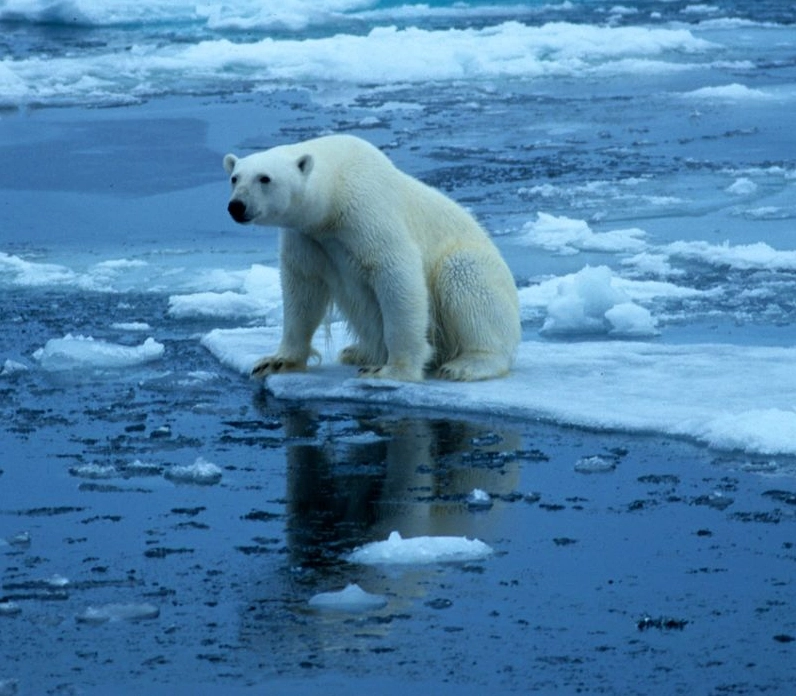
The average temperature of the Earth’s surface has risen significantly, contributing to the complex challenges of climate change. This warming is not merely about rising temperatures; it signifies a fundamental disruption of Earth’s interconnected systems. Addressing global warming is essential for maintaining planetary health and ensuring a sustainable future for all life on Earth. Efforts to reduce greenhouse gas emissions, transition to renewable energy sources, and promote sustainable land use practices are critical steps in mitigating the worst effects of climate change and promoting global warming solutions.

Mitigation and Adaptation Strategies
Combating global warming requires a multifaceted approach involving individual, community, and governmental actions. Key strategies include:
- Reducing Greenhouse Gas Emissions: Transitioning from fossil fuels to renewable energy sources like solar and wind power is paramount. Improving energy efficiency in homes, industries, and transportation also plays a vital role.
- Sustainable Land Management: Protecting forests, promoting afforestation, and adopting sustainable agricultural practices can help sequester carbon dioxide and reduce methane emissions.
- Policy and International Cooperation: Governments must implement robust climate policies, invest in green technologies, and collaborate internationally to meet emission reduction targets.
- Public Awareness and Education: Educating the public about the causes and consequences of global warming fosters support for climate action and encourages sustainable lifestyle choices.
The urgency of the situation cannot be overstated. The decisions made today will shape the future of our planet for generations to come. Taking collective action now is imperative to safeguard our environment and ensure a healthy planet for future inhabitants.
Comments (0)
No comments yet. Be the first to share your thoughts!
Leave a Reply
Your email address will not be published. Required fields are marked *