Understanding Freezing Fog and Rime Ice: Formation, Dangers, and Forecasting

You’ve likely encountered fog during your travels, understanding its challenges firsthand. But have you experienced freezing fog? This phenomenon can be as hazardous as snow and ice, significantly disrupting both road and air traffic. Understanding its nature is crucial for safety and effective forecasting.
What exactly is freezing fog?
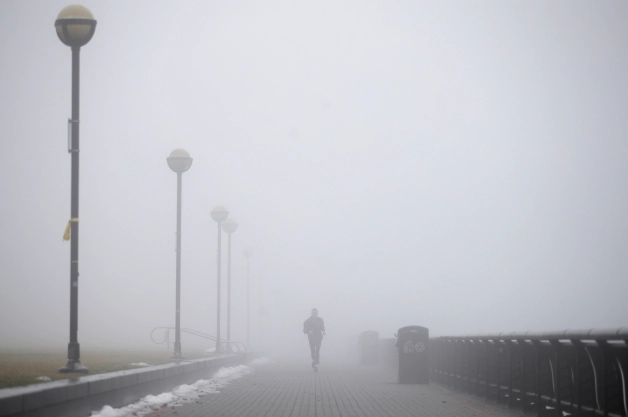
Fog, in general, is air saturated to the point where tiny water droplets become visible near the ground. Typically, this occurs when cooler ground temperatures meet warm, moist air just above the surface, causing condensation. The density of fog is determined by the amount of moisture in the air and the temperature difference between the ground and the air layer directly above it. Denser fog with lower visibility results from very moist air and a larger temperature differential.
The National Weather Service defines freezing fog as fog containing minute, supercooled water droplets when the ambient air temperature is below freezing (32°F or 0°C). Surprisingly, these droplets can remain liquid even at temperatures as low as -40°F (-40°C). This phenomenon is possible because water requires ice-nucleating particles, such as dust, minerals, or bacteria, to initiate the freezing process. In the absence of these particles, water droplets can persist in a liquid state below their usual freezing point.
The science behind supercooled water droplets
Higher in the atmosphere, ice-nucleating particles become less common. Without these crucial particles, water droplets can remain in their liquid phase, a state known as supercooling. Scientists have extensively studied this concept, finding that various factors influence water's freezing behavior. These ice-nucleating particles can be composed of diverse materials, including dust, fine sediment particles like silica, feldspars, and micas, and even certain bacteria. Each type possesses unique properties that affect the temperature and manner in which water freezes upon contact.
Furthermore, atmospheric dynamics and pressure fluctuations can also play a role in water's freezing process. In some instances, water droplets in the atmosphere can freeze above 32°F (0°C) if the impact force is sufficiently high, altering pressure conditions and the surface properties of the water itself. Understanding these nuances is vital for accurate weather forecasting, particularly concerning cloud formation and precipitation.
How does rime ice form from freezing fog?
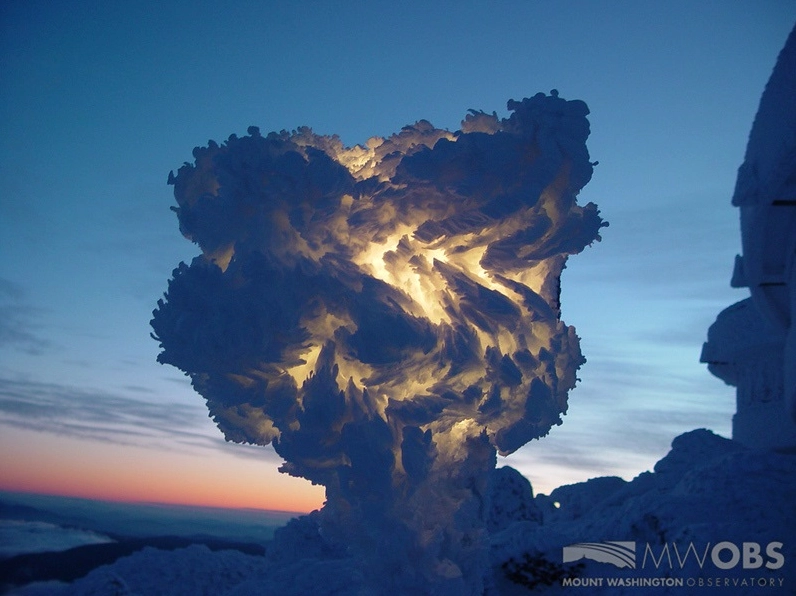
Rime ice is a direct consequence of freezing fog. When these supercooled water droplets encounter a surface that is also below freezing, they finally have something to nucleate on, and they freeze instantly. This process is similar to how clouds form and precipitate. The weather tower and its instruments at Mount Washington, for example, serve as nucleating catalysts. Similarly, at lower altitudes, objects like mailboxes, trees, or power lines can become coated with rime ice.
On the summit of Mount Washington, rocks, buildings, and even observers can accumulate rime ice. This ice forms a fractal structure that grows over time, typically extending in the direction from which the wind is blowing. The colder the temperatures, the softer and whiter the rime tends to be. As temperatures approach the freezing mark, the rime becomes harder and more translucent, eventually forming glaze ice, which is clear, extremely hard, and deposited in the same manner.
The dangers associated with freezing fog and rime ice
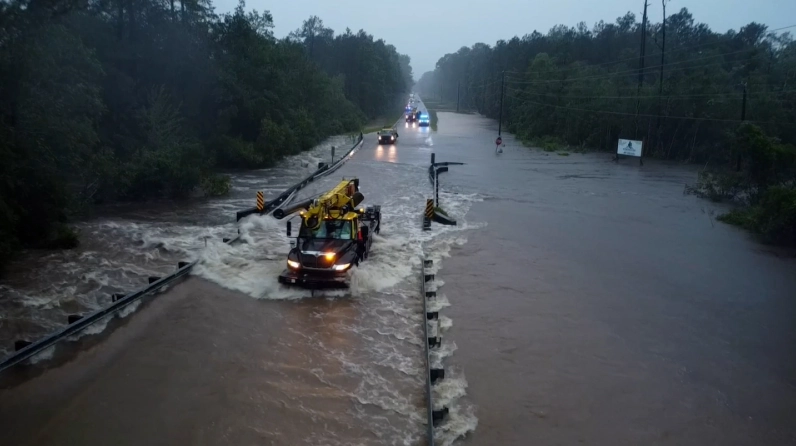
While the intricate formations of rime ice can be visually stunning, they pose significant dangers. Reduced visibility caused by freezing fog can lead to hazardous driving conditions, increasing the risk of accidents. For aviation, freezing fog can lead to dangerous ice accumulation on aircraft surfaces, affecting flight control and safety. This phenomenon is particularly concerning for the freezing fog aviation sector, where visibility and icing are critical factors.
The accumulation of rime ice on structures like power lines can lead to significant damage and outages due to its weight. Understanding the freezing fog meaning is crucial for both the public and weather professionals to prepare for potential disruptions. The presence of freezing fog is often indicated by a specific freezing fog symbol on weather charts, alerting pilots and ground personnel to the potential hazards.
Distinguishing freezing fog from ice fog
It is important to differentiate freezing fog from ice fog. Ice fog consists of ice crystals rather than supercooled water droplets and typically forms in extremely cold regions, often at temperatures below -20°F (-29°C). While both reduce visibility, the formation mechanisms and specific conditions differ. Understanding these distinctions, like the freezing fog vs ice fog, is essential for accurate meteorological analysis and reporting.
Forecasting and safety measures
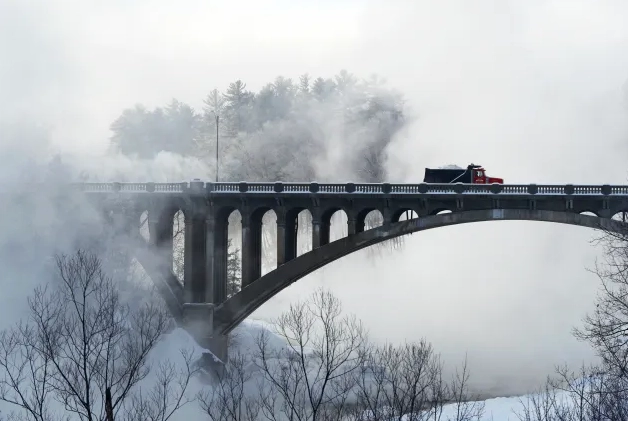
Effective forecasting of freezing fog relies on sophisticated weather models and real-time observational data. Meteorologists analyze temperature profiles, humidity levels, and atmospheric stability to predict the likelihood and duration of freezing fog events. The freezing fog advisory is issued to warn the public and relevant industries about impending hazardous conditions. These advisories are critical for implementing safety measures, such as reducing speed on roads and ensuring aircraft are equipped to handle potential icing.
Key safety tips during freezing fog:
- Reduce speed: Drive significantly slower than the posted speed limit.
- Increase following distance: Allow ample space between your vehicle and the one ahead.
- Use low-beam headlights: High beams can reflect off the fog, reducing visibility further.
- Avoid unnecessary travel: If possible, postpone trips until conditions improve.
- Check weather advisories: Stay informed about weather alerts and forecasts.
The broader impact of freezing fog on weather systems
The formation of freezing fog is intricately linked to broader atmospheric processes. Understanding its role in cloud formation helps scientists better predict precipitation rates and accumulations. Factors influencing supercooled water droplets, such as the presence and type of ice-nucleating particles and atmospheric dynamics, are critical for improving snowfall and rainfall forecasts. The study of these seemingly small details is fundamental to advancing our ability to forecast weather with greater accuracy.
In summary, freezing fog is not merely fog that is freezing but a complex atmospheric condition involving supercooled water droplets. Its interaction with surfaces leads to rime ice formation, posing significant risks to transportation and infrastructure. Continuous research and accurate forecasting are essential to mitigate the dangers associated with this pervasive weather phenomenon.
Staying informed about freezing fog
Staying updated on weather conditions is paramount, especially when freezing fog is present. Utilize reliable weather sources, such as national weather services and reputable meteorological organizations. Pay attention to specific alerts like a freezing fog advisory, which provides critical information for travel and outdoor activities. By understanding the characteristics and dangers of freezing fog and rime ice, we can better prepare for and navigate these challenging weather events.
Comments (2)
Sarah Chen
11:00:11 21-07-2026Mark Johnson
10:54:06 22-07-2026Leave a Reply
Your email address will not be published. Required fields are marked *