Understanding Fire Whirls and Firenados: Nature's Fiery Vortex
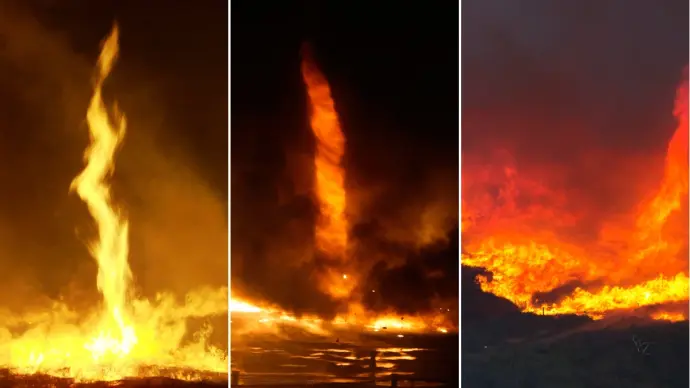
Nature often presents phenomena that are both awe-inspiring and terrifying. Among the most dramatic are fire whirls and their larger counterparts, firenados. These swirling vortices of flame represent a dangerous confluence of fire and atmospheric dynamics, capable of wreaking havoc. Understanding how these fiery devils form and behave is crucial, especially in an era of increasing wildfires. This article delves into the science behind fire whirls and firenados, differentiating them from traditional tornadoes and examining their impact.
The Formation of Fire Whirls and Firenados
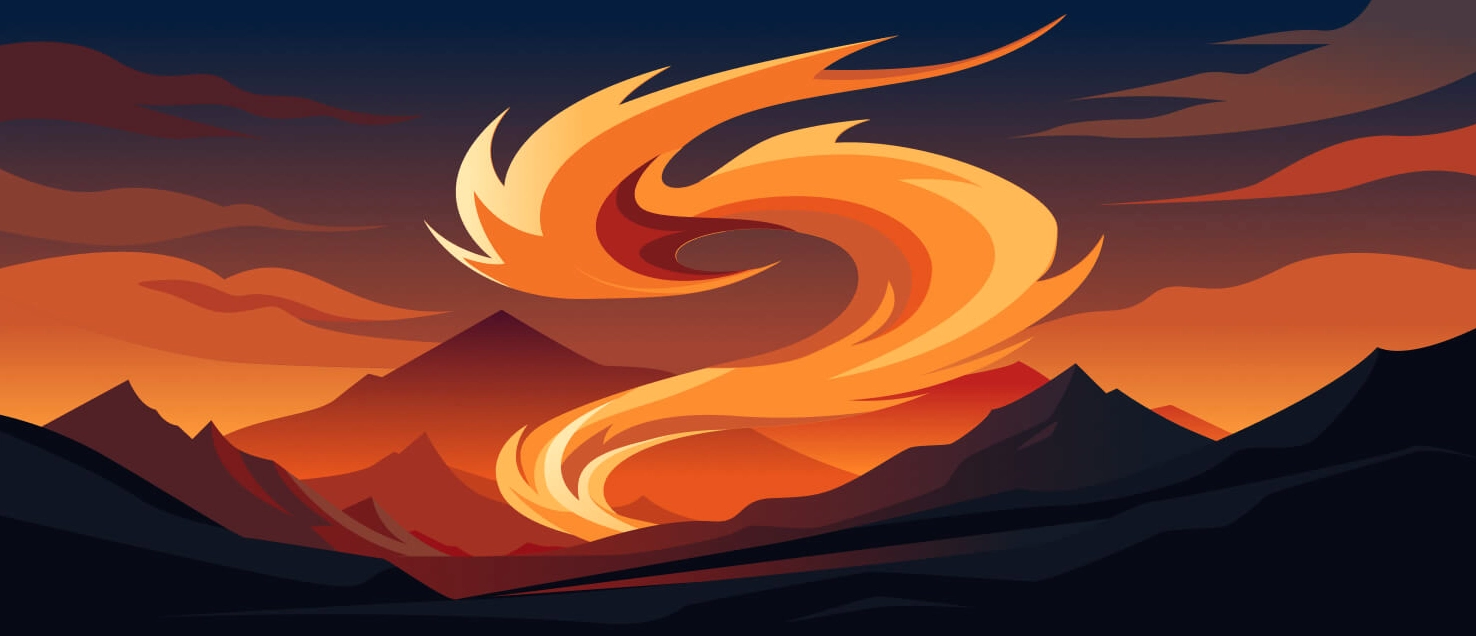
Fire whirls, often colloquially called "fire devils" or "firenadoes," are born from a specific set of atmospheric and fire conditions. The process typically begins with an intense heat source, such as a large wildfire or even a controlled burn. This intense heat rapidly rises, creating a powerful thermal updraft. As this hot air ascends, it generates a low-pressure zone at its base, similar to how a tornado forms within a thunderstorm's updraft. This low pressure draws in cooler, surrounding air, initiating a swirling motion. Existing wind patterns and turbulence, amplified by terrain features like canyons or variations in vegetation, can further intensify this rotation. The swirling air then draws in smoke, embers, and burning debris, feeding the flames and creating a visible, often spectacular, vortex of fire.

The size and intensity of these phenomena can vary dramatically. Small fire whirls might only be a few feet tall, akin to miniature dust devils. However, under extreme conditions, they can escalate into formidable firenados, reaching hundreds of feet in height and exhibiting destructive power rivaling that of weak tornadoes. The distinction between a fire whirl and a fire tornado lies primarily in their scale and the dynamics they influence. While fire whirls are common occurrences on a fire ground, a true fire tornado dominates the large-scale fire dynamics, presenting extreme hazards and control problems.
Distinguishing Fire Whirls from Tornadoes
While the term "firenado" suggests a direct parallel to meteorological tornadoes, there are critical differences in their origins and mechanics. Tornadoes are born from severe thunderstorms, specifically from rotating updrafts called mesocyclones within supercell storms. Their driving force is the interaction of warm, moist air with changing wind speeds and directions at different altitudes. They create a low-pressure zone and can exhibit rotational velocities up to 90 mph, capable of uprooting trees and demolishing structures.
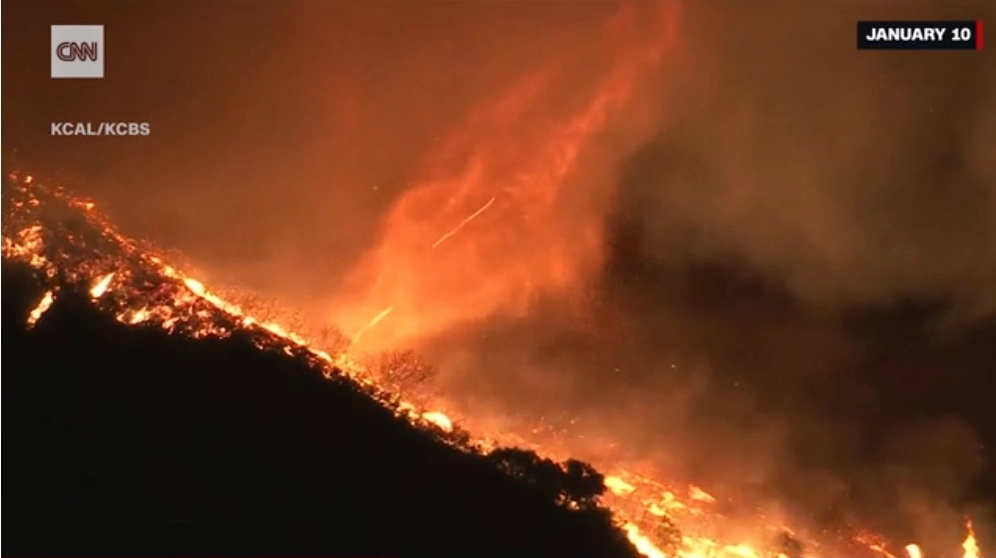
In contrast, fire whirls and firenados originate from thermal updrafts associated with intense fires. The rotation is primarily driven by the rising hot air and influenced by ambient wind conditions and ground-level turbulence. Although they share characteristics like vortical motion and the creation of a low-pressure zone, their fundamental cause is different. This distinction is important for understanding and predicting their behavior. Research by David W. Goens in 1978 established parameters for fire whirls, typically ranging from 33 to 100 feet in diameter with rotational velocities of 22 to 67 mph. Fire tornadoes, however, are much larger, averaging 100 to 1,000 feet in diameter with rotational velocities up to 90 mph, making them a significant threat.
The Impact of Climate Change and Notable Events
The increasing frequency and intensity of wildfires globally, often linked to climate change, suggest a potential rise in occurrences of fire whirls and firenados. These phenomena pose extreme hazards, not only through the direct consumption by flames but also by their ability to rapidly spread fire over large areas. Their unpredictable nature and intense winds make firefighting operations incredibly dangerous and complex. One of the most significant documented fire tornadoes occurred during the 2018 Carr Fire in California, an EF3 event with estimated wind speeds of 143 mph. Another historical example is the massive twister that formed during Tokyo's 1923 Great Kantō earthquake, which triggered widespread fires and is believed to have been an exceptionally large fire tornado.
The scientific community is continually studying these events to better predict their formation and mitigate their risks. Understanding the interplay of atmospheric instability, heat release rates, and fuel conditions is key to improving forecasting and safety measures for communities in fire-prone areas.
Managing the Threat of Fire Whirls
While fire whirls and firenados are natural phenomena, their destructive potential can be managed through a combination of scientific understanding and proactive measures. Firstly, continued research into meteorological conditions that foster these events is vital. This includes monitoring atmospheric stability, wind shear, and fuel moisture levels.
- Early Warning Systems: Developing and improving systems that can detect the precursors to fire whirl formation.
- Public Education: Informing communities about the risks and safety protocols during wildfire events.
- Fire Management Strategies: Implementing advanced firefighting techniques that account for the unpredictable spread caused by these vortices.
- Climate Change Mitigation: Addressing the root causes of increasing wildfire frequency by reducing greenhouse gas emissions.

The surprising ability of burnt forests to store carbon and mitigate climate change is another area of ongoing research, offering a potential long-term benefit from fire-affected landscapes, though this does not diminish the immediate danger posed by the fire events themselves.
The Future of Fire Vortex Research
As weather patterns become more extreme and wildfires more prevalent, the study of fire whirls and firenados will only grow in importance. Meteorologists like Maiya May, through shows like PBS Weathered, are helping to demystify these natural disasters. The goal is to translate complex scientific understanding into actionable knowledge that can save lives and property. By understanding the intricate dance between fire and atmosphere, we can better prepare for and potentially mitigate the impact of these terrifying, yet fascinating, natural events.
Comments (0)
No comments yet. Be the first to share your thoughts!
Leave a Reply
Your email address will not be published. Required fields are marked *