Understanding Dry Thunderstorms: Causes, Risks, and Detection
What Exactly Is a Dry Thunderstorm?
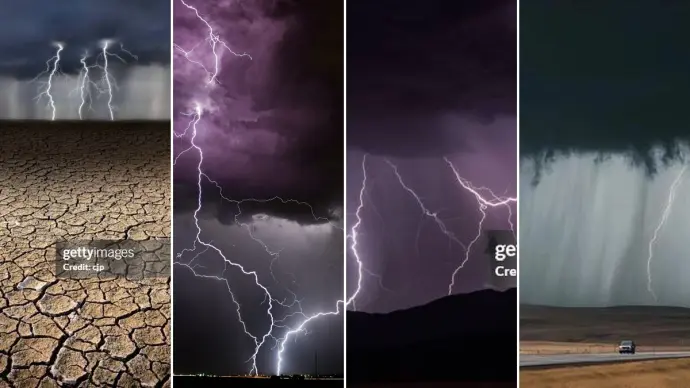
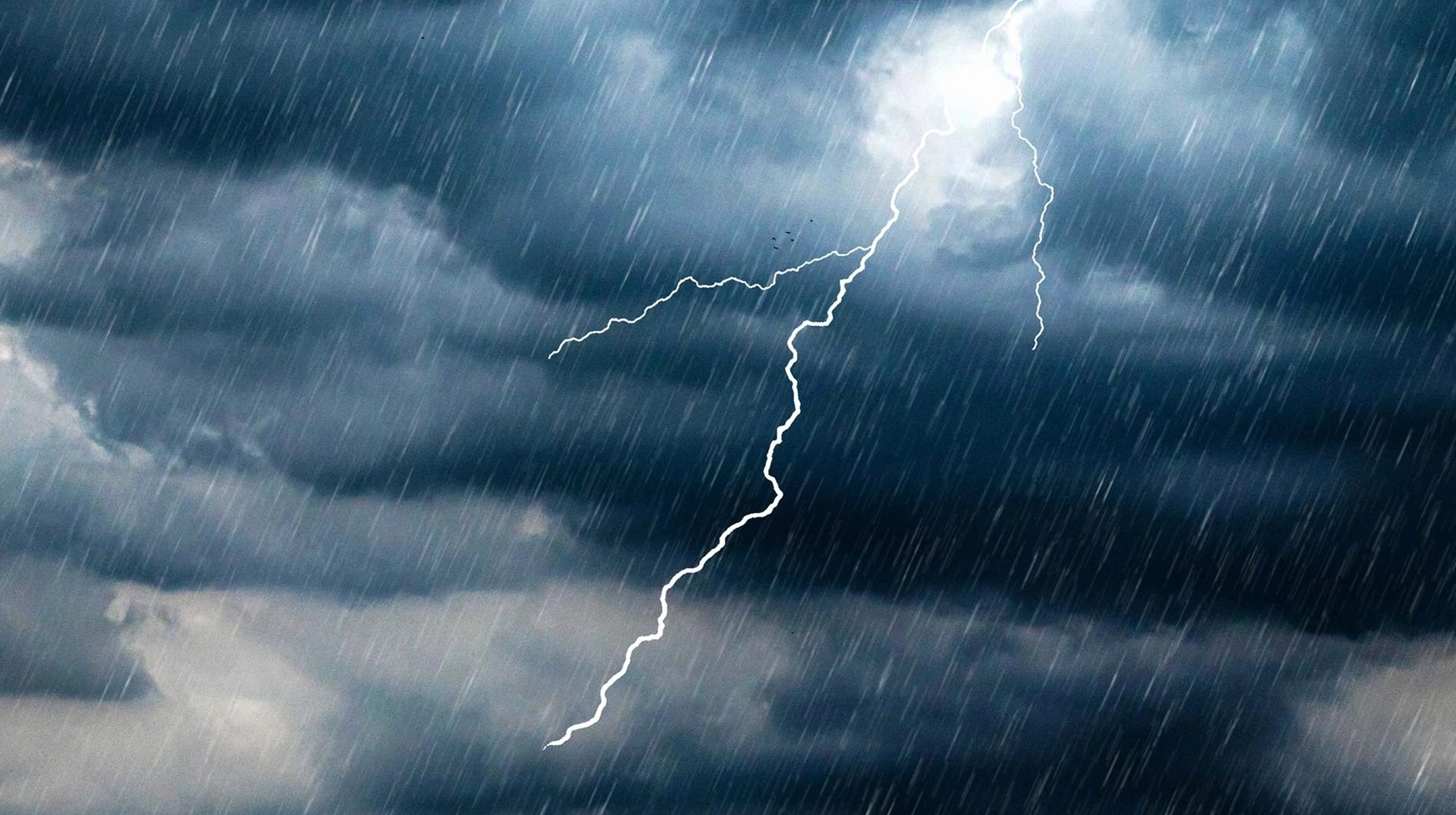
The term "dry thunderstorm" is frequently used within the wildland firefighting community to describe a thunderstorm that produces minimal to no precipitation reaching the ground. While often associated with a lack of rain, these storms carry electrical activity, which can be particularly dangerous. Meteorologically, a dry thunderstorm occurs when rain produced within the cloud evaporates before it reaches the surface, a phenomenon known as virga. This happens due to insufficient moisture or excessively dry conditions in the lower atmosphere. For fire weather experts, a dry thunderstorm might still produce some measurable precipitation, but the amount is too small to effectively moisten dry vegetation, also known as fuel.
Key characteristics of a dry thunderstorm:
- Little to no surface precipitation.
- Presence of lightning (electrical activity).
- Rain evaporates before reaching the ground (virga).
- Increased risk of fire ignition due to lightning strikes on dry fuels.
The Science Behind Dry Thunderstorms
Understanding the meteorological conditions that lead to dry thunderstorms is crucial. These storms typically form when there isn't enough humidity in the middle and lower layers of the atmosphere for rain to be significant. Alternatively, a lack of sufficient cold air at high altitudes can hinder the storm's vertical development and structure. As a result, any precipitation that forms evaporates in the drier air below the cloud base. This process of evaporation can create a false sense of security, as the absence of rain might lead people to believe there is no danger, when in fact, the lightning poses a substantial risk.
Impact on Fire Ignition and Fuel Moisture
The relationship between dry thunderstorms and wildfire ignition is a significant concern in fire-prone regions. When lightning strikes during a dry thunderstorm, it can easily ignite dry vegetation because the potential rainfall is insufficient to dampen the fuel. The efficiency of fire ignition is directly related to how dry the fuel is and the intensity of the lightning strike. For fire weather considerations, the distinction between a dry and wet thunderstorm is often a sliding scale, depending on several factors:
- Fuel Type and Condition: The type of vegetation and how dry it is play a crucial role. Prolonged hot and dry weather significantly increases the risk.
- Canopy Cover: In closed forest canopies, more rainfall is needed to penetrate and reach the surface fuel compared to open grassland areas. For instance, in many New Mexico forests, less than a tenth of an inch of rain might define a "dry" thunderstorm.
Even a "wetting rain" needs to be substantial enough to penetrate the aerial canopy and reach the surface fuel. If antecedent conditions have been hot and dry, larger rainfall amounts are necessary to adequately moisten the fuel bed and reduce the likelihood of lightning-induced fires.
The Danger of False Security
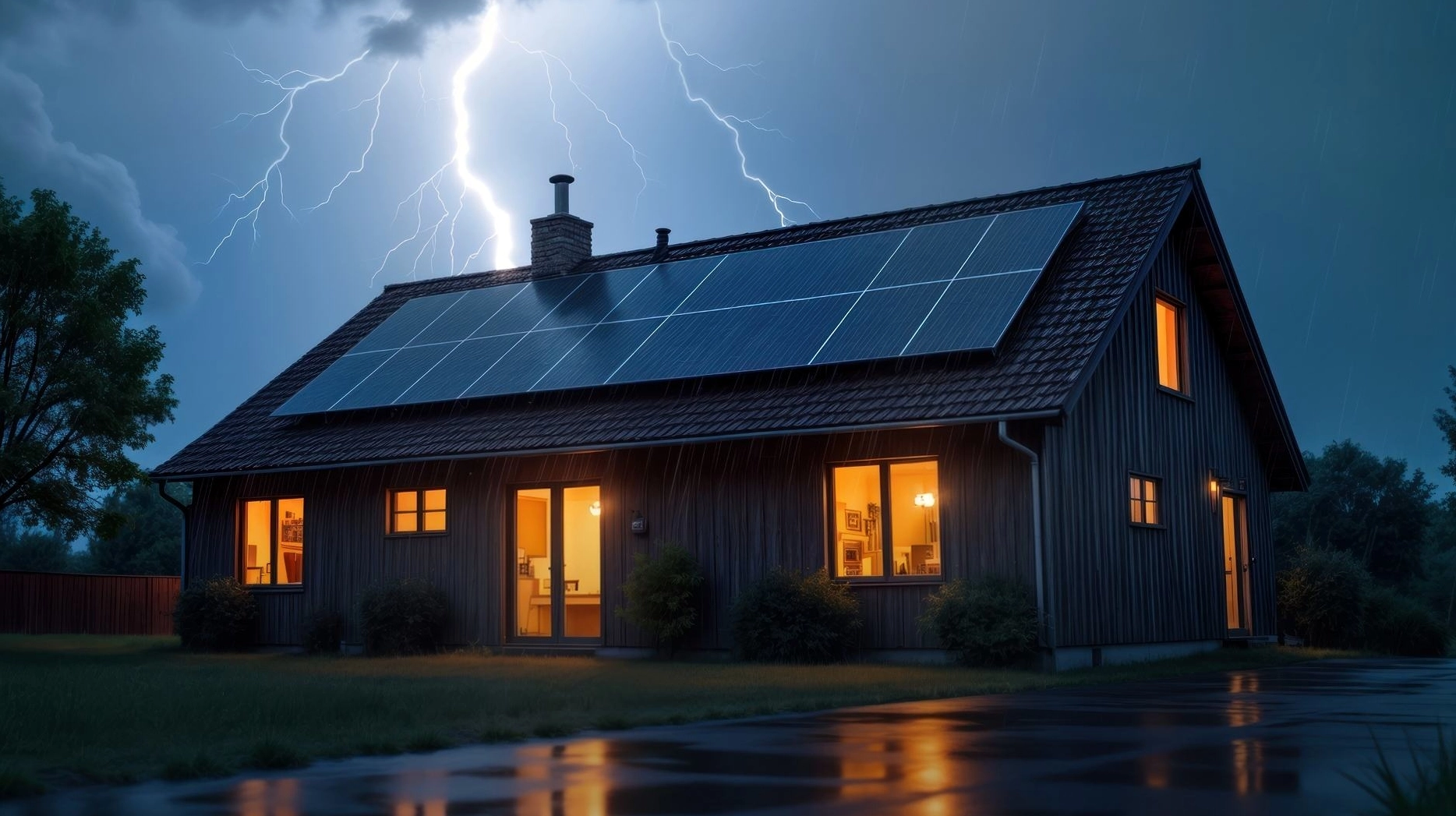
The absence of significant precipitation during a dry thunderstorm can create a dangerous illusion of safety. People involved in outdoor activities or managing sensitive infrastructure might not perceive the threat posed by lightning in the same way they would during a conventional, rain-producing storm. This lack of perceived risk can lead to inadequate preventive measures, increasing the potential for serious personal injury and economic damage.
Where Do Dry Thunderstorms Occur?
While not exclusively a summer phenomenon, dry thunderstorms tend to occur most frequently during warmer months and in arid or semi-arid regions where high temperatures are common. Areas prone to drought are particularly susceptible. The United States, especially the western states like New Mexico, frequently experiences conditions conducive to dry thunderstorms. Their occurrence is also noted in places like Australia.
Detection and Prevention Strategies
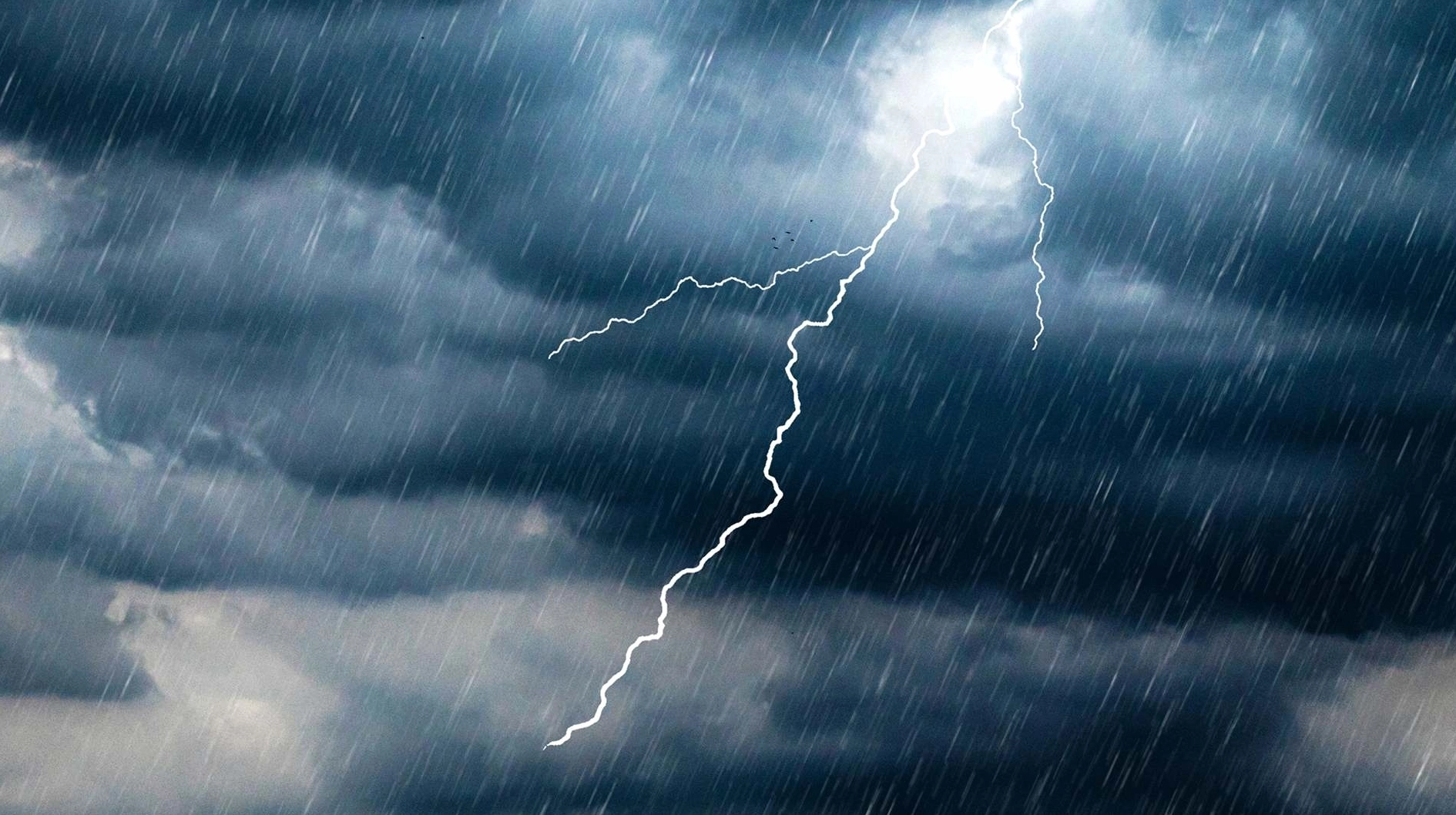
Given the risks associated with dry thunderstorms, effective detection and warning systems are paramount. Storm detection systems employing advanced technologies, such as electromagnetic field sensors, can detect approaching storms and their electrical activity. These systems are crucial for issuing timely warnings before the storm's impact, allowing for the implementation of protective measures for people and property. Systems capable of detecting all phases of a storm are most effective in providing reliable warnings.
Mitigating Risks Associated with Dry Thunderstorms
The potential dangers of dry thunderstorms extend to various sectors, including:
- Wildfire Prevention: Fire management agencies monitor weather conditions closely, especially during dry periods, to predict and mitigate wildfire risks.
- Infrastructure Protection: Facilities like wind farms, photovoltaic installations, refineries, mines, and military installations are particularly vulnerable to lightning strikes. Implementing robust lightning protection systems is essential.
- Public Safety: Organizing large outdoor events requires careful consideration of weather forecasts, including the potential for dry thunderstorms, to ensure the safety of attendees at locations like sporting events, golf courses, and airports.
The phenomenon of a "mixture of wet and dry" thunderstorms, where wetting rain occurs in some areas but not others, further complicates risk assessment, as lightning can strike outside the rain footprint.
Understanding Virga
Virga is a key indicator associated with dry thunderstorms. It appears as wispy streaks or trails of precipitation falling from a cloud base but evaporating before reaching the ground. While it signifies that rain is forming, its evaporation indicates the dry conditions in the lower atmosphere, making it a harbinger of potential fire risk if lightning is also present.

The Role of Antecedent Weather Conditions
The impact of a dry thunderstorm is heavily influenced by antecedent weather conditions. If an area has experienced a prolonged period of hot and dry weather, the vegetation will be exceptionally receptive to ignition from lightning. In such scenarios, even a small amount of lightning activity without significant rainfall can trigger devastating wildfires. Conversely, if the fuel beds have been recently moistened by "wetting rain," the risk of ignition from lightning is considerably lower.
Conclusion: Vigilance is Key
Dry thunderstorms present a unique and dangerous combination of electrical activity and lack of significant rainfall, significantly increasing the risk of wildfires and posing threats to infrastructure and public safety. Understanding the definition, causes, and impacts of these storms is the first step toward effective mitigation. Utilizing advanced storm detection systems and implementing appropriate preventive measures are crucial, especially in fire-prone regions during dry spells. Staying informed and vigilant is essential to manage the risks associated with these powerful weather events.

Comments (1)
Sarah Jenkins
14:48:56 21-07-2026Leave a Reply
Your email address will not be published. Required fields are marked *