Understanding Derechos: A Guide to Straight-Line Wind Events
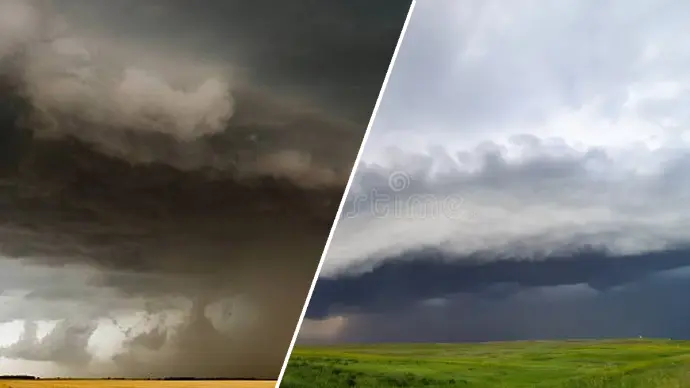
During the hot and humid conditions common in the Ohio Valley during summer, a rare yet potent severe thunderstorm event poses a threat: the derecho. Pronounced like "deh-REY-cho," a derecho is characterized by widespread, long-lived wind storms associated with rapidly moving showers or thunderstorms. While capable of producing destruction comparable to tornadoes, the damage from a derecho is typically directed in a single, relatively straight path, leading to the term "straight-line wind damage" sometimes being used interchangeably.
Defining a Derecho Event
The official classification of a derecho requires specific criteria to be met. By definition, a derecho's wind damage swath must extend over 240 miles (approximately 400 kilometers). Additionally, it must include wind gusts of at least 58 mph (93 km/h) or greater along most of its length. The visual cue of a gust front, often appearing as an "arcus" cloud, is frequently observed.
Key Characteristics and Dangers of Derechos
Derechos present a unique danger due to their straight-line wind patterns, unlike the rotating winds of tornadoes. These severe thunderstorm-induced events generate strong winds that manifest quickly, leaving minimal time for preparation. A severe thunderstorm warning is the only notification typically received before or during a derecho. Despite their rapid nature, derechos can be deadly.
According to the National Weather Service (NWS), derecho winds can reach speeds of at least 58 mph and have been recorded as high as 130 mph. These intense winds contribute to more fatalities than EF0 and EF1 tornadoes combined. The speed at which derechos develop and their intensity means there is little lead time for individuals to seek adequate shelter, making them particularly hazardous.
Understanding Derecho Meaning and Impact
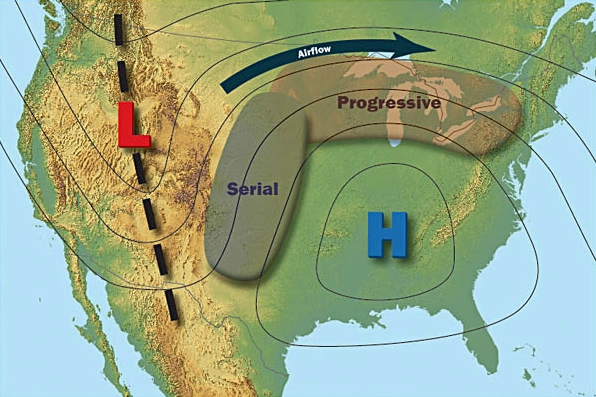
The term "derecho" itself is Spanish for "straight ahead," aptly describing the linear nature of the wind damage. This directional impact means that damage occurs along a relatively straight swath, distinguishing it from the often-erratic paths of tornadoes. Furthermore, derechos can occur in clusters, meaning that one event might be followed by others in different locations over subsequent days.
The risks associated with derechos are significantly heightened during outdoor exposure. Individuals engaged in activities like camping or hiking are at an increased risk due to limited access to immediate shelter. Tragically, nearly half of all derecho-related deaths occur in vehicles or on boats, as these are more susceptible to being overturned by the powerful winds.
Preparing for Derecho Storms
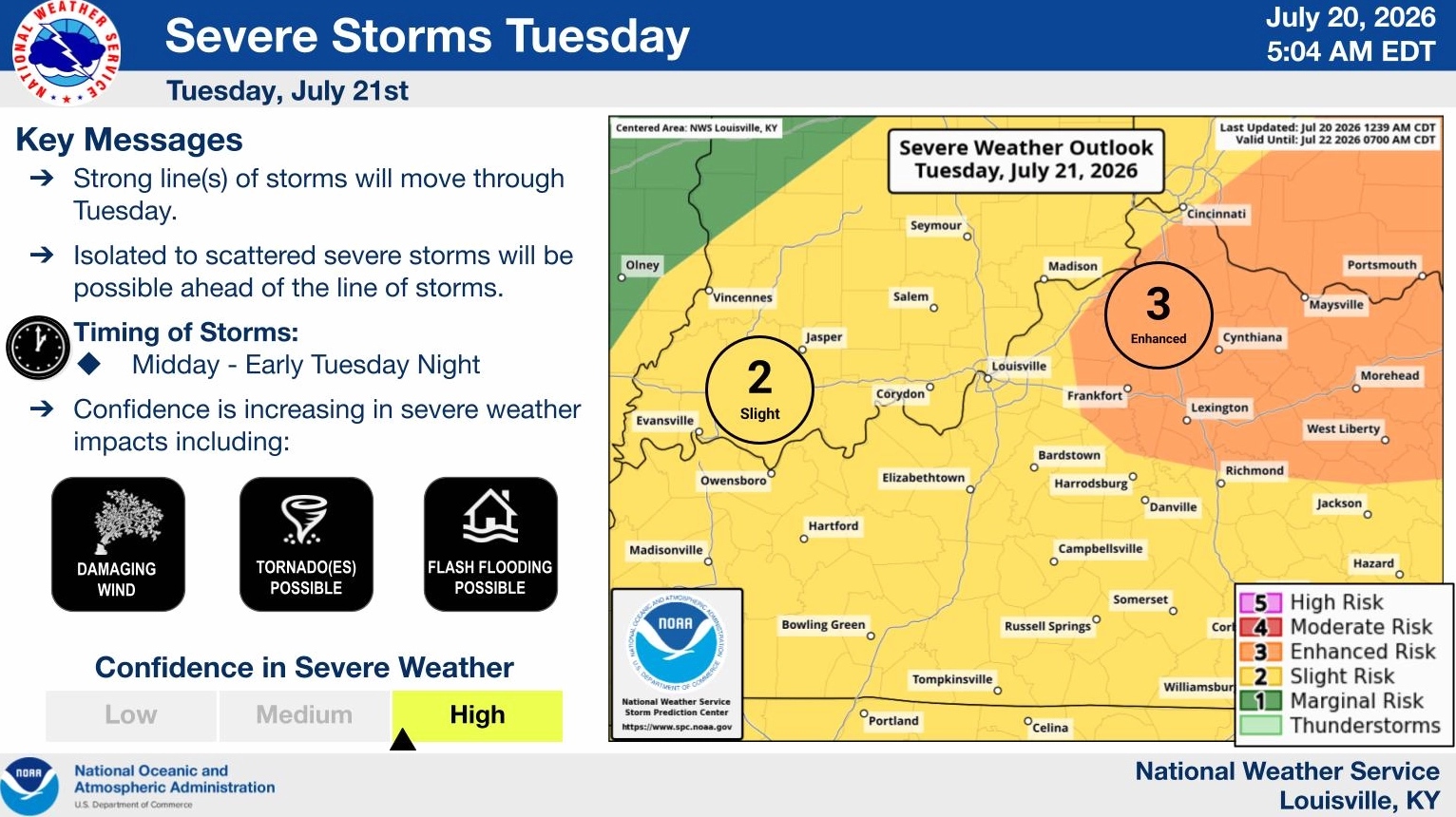
Preparation for a derecho is similar to preparing for any severe thunderstorm. When the NWS predicts severe thunderstorms, the possibility of a derecho should be considered. Key safety measures include:
- Seeking immediate indoor shelter.
- Avoiding the use of landline telephones during the storm.
- Unplugging electrical appliances to prevent damage from power surges.
It is crucial to remain indoors until local weather services confirm it is safe to resume normal activities. Understanding the derecho meaning and its potential impact is the first step in effective preparation.
The Right to Safety and Preparedness
While the concept of human rights includes the fundamental right to life, preparedness plays a critical role in ensuring safety during extreme weather events like derechos. Understanding the science behind these storms and heeding official warnings are vital components of personal and community safety. The National Association of Insurance Commissioners (NAIC) emphasizes the importance of understanding such risks, as preparedness can mitigate losses and protect lives.
State insurance regulators, through the NAIC, provide essential data and analysis to help consumers and the industry navigate the impacts of severe weather. Their efforts focus on ensuring effective regulation and consumer protection, underscoring the collective responsibility in building resilient communities.
Conclusion and Future Outlook
Derechos are formidable natural phenomena that demand respect and preparedness. Their widespread and intense straight-line winds can cause significant devastation, underscoring the need for vigilance during severe weather seasons. By understanding the definition of a derecho, recognizing the associated risks, and implementing appropriate safety measures, individuals and communities can better protect themselves from these powerful storms. Continuous monitoring of weather forecasts and heeding official advisories remain the most effective strategies for navigating the threat posed by derecho events.
Comments (0)
No comments yet. Be the first to share your thoughts!
Leave a Reply
Your email address will not be published. Required fields are marked *