Understanding Cloud-to-Ground Lightning Strikes
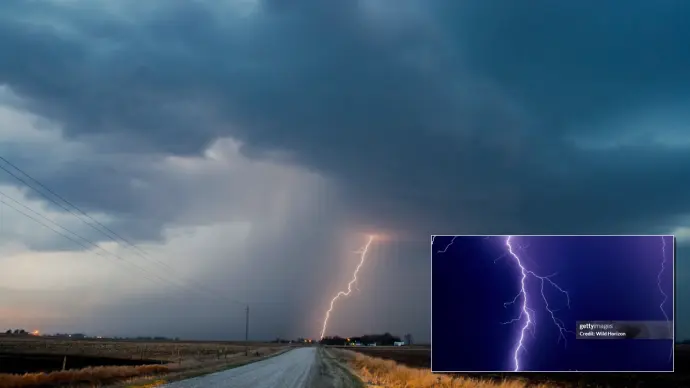
Lightning is a spectacular yet perilous natural phenomenon. In the United States alone, approximately 25 million lightning flashes occur annually, each carrying a potential threat to life. While the number of lightning fatalities has declined over recent decades, it remains a significant weather-related killer, with many more individuals suffering injuries that can lead to lifelong health complications. Understanding the science behind lightning, particularly cloud-to-ground lightning, is crucial for taking appropriate safety measures when thunderstorms approach. As a general rule, if you can hear thunder, you are already within the danger zone of a lightning strike.
Key Takeaways on Lightning:
- Lightning is a powerful electrical discharge between the atmosphere and the ground, or within the atmosphere itself.
- Thunderstorms develop through distinct stages: growth, development, electrification, and dissipation.
- Cloud-to-ground lightning occurs when the electrical potential difference becomes too great for the air to act as an insulator.
- Safety is paramount; seeking shelter indoors or in a hard-top vehicle is advised during thunderstorms.
How Thunderstorms Develop
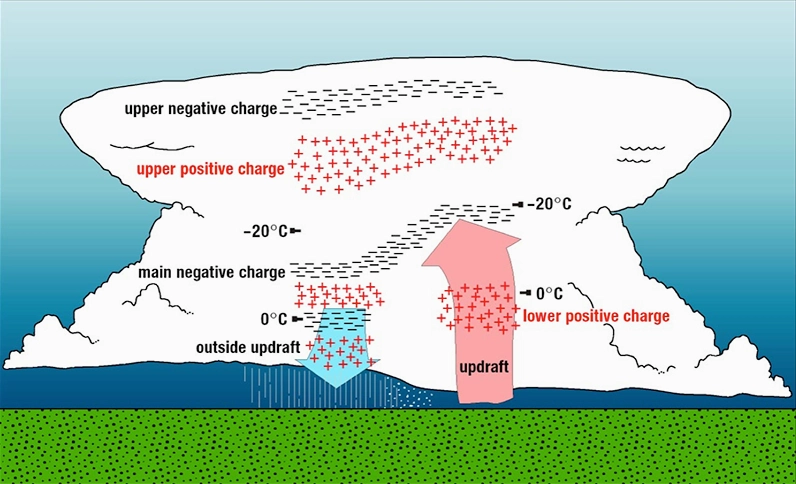
Thunderstorms are dynamic weather events that progress through several phases. Their formation often begins with the sun heating the ground, causing pockets of warm air to rise. As these air parcels ascend, they cool and condense, forming cumulus clouds. Continued upward movement and heating can lead to the development of towering cumulus clouds, a precursor to a full-fledged thunderstorm. The mature stage is characterized by significant vertical development, often resulting in an anvil-shaped cloud top. Within these clouds, precipitation forms, leading to complex interactions between ice crystals, hail, and water droplets. These interactions, driven by strong updrafts and downdrafts, cause a separation of electrical charges within the cloud. Typically, the upper part of the cloud becomes positively charged, while the middle and lower sections become negatively charged, with a smaller positive charge often developing near the base. This charge separation is fundamental to the formation of lightning.
The Formation of Lightning
Lightning is essentially a massive spark of electricity. When the difference in electrical charge between different parts of a thunderstorm cloud, or between the cloud and the ground, becomes sufficiently large, the insulating capacity of the air breaks down. This leads to a rapid discharge of electrical energy. While lightning can occur within a cloud (intra-cloud lightning) or between clouds, cloud-to-ground lightning is the type that poses the most direct threat to people and property on the surface.
Cloud-to-Ground Lightning Explained
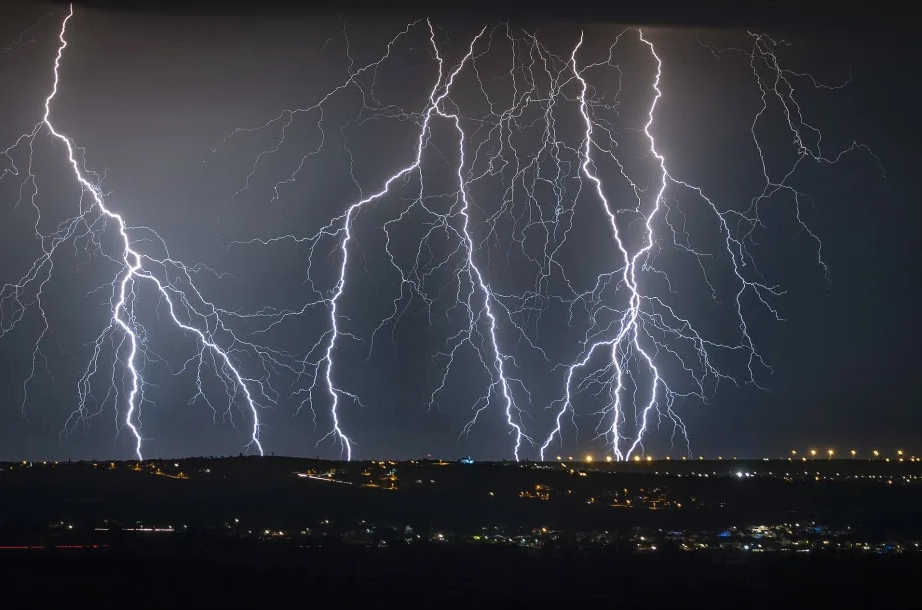
Cloud-to-ground (CG) lightning accounts for a smaller fraction of total lightning flashes but is the most dangerous. There are two primary types of CG flashes, distinguished by the charge of the cloud from which they originate. A negative CG flash, the most common, begins with a negatively charged channel, known as a stepped leader, which descends from the cloud in a zigzag pattern. As this leader approaches the ground, it induces positive charges to rise from taller objects like trees, buildings, or poles, creating upward streamers. When the stepped leader and an upward streamer connect, a powerful return stroke of current surges back up to the cloud, creating the visible flash of lightning. This return stroke travels at incredible speeds, approximately 60,000 miles per second. A negative cloud-to-ground lightning strike can consist of multiple return strokes, which is why lightning sometimes appears to flicker.
Positive Cloud-to-Ground Lightning
Positive cloud-to-ground lightning originates from the positively charged upper regions or the base of the negatively charged area of the thunderstorm. These strikes are less frequent but tend to be more powerful and dangerous, often occurring miles away from the visible storm core, striking without accompanying thunder or rain. This phenomenon means you can be in danger from a cloud-to-ground lightning strike even when it seems clear overhead.
Upward-Initiated Lightning
While most lightning naturally travels downwards from the cloud, upward-initiated or triggered lightning can occur. This type of strike typically originates from tall structures, such as towers or skyscrapers, and travels upward into the storm cloud. It often happens in response to a natural lightning flash but can occasionally be self-triggered, particularly in severe winter storms. Aircraft can also trigger lightning strikes if they fly through strong electric fields.

Thunder: The Sound of Lightning
Thunder is the acoustic manifestation of lightning. The immense electrical discharge rapidly heats the air along the lightning channel to extremely high temperatures, causing it to expand explosively. This sudden expansion creates shock waves that propagate through the atmosphere as sound waves, which we perceive as thunder. The delay between seeing a lightning flash and hearing thunder is due to the difference in the speed of light and the speed of sound.
Lightning Safety Measures
Given the inherent dangers of cloud-to-ground lightning strikes, implementing safety precautions is vital. The National Weather Service strongly advises seeking immediate shelter when thunderstorms threaten. If you hear thunder, even a distant rumble, you are close enough to be struck. The safest places to be are inside a substantial building with plumbing or electrical wiring, or inside a fully enclosed metal vehicle. Avoid open areas, tall isolated objects like trees, and bodies of water. If caught outdoors with no shelter, crouch low to the ground, minimizing your contact with the earth. Understanding the behavior of lightning, such as the fact that lightning can strike where it’s not raining or even before the rain reaches the ground, emphasizes the importance of proactive safety measures. Monitoring a cloud-to-ground lightning map or tracker can provide valuable real-time information during storm events.
Lightning Types and Classifications
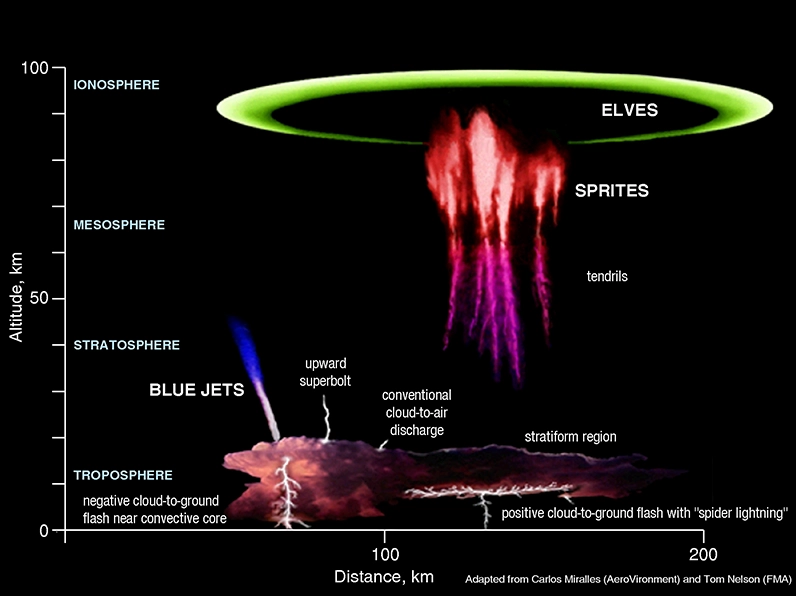
Lightning phenomena extend beyond the typical cloud-to-ground strikes. Transient luminous events, such as elves, sprites, and blue jets, are high-altitude electrical discharges that occur above thunderstorms. These are rarely seen from the ground but are part of the complex electrical activity associated with severe weather. Understanding the different lightning types and classifications helps in appreciating the full scope of this atmospheric process.
Stay Informed and Prepared
Keeping abreast of weather forecasts and warnings is a critical component of lightning safety. Resources like weather channels provide essential information, and utilizing a cloud-to-ground lightning tracker can offer real-time data on storm activity. Early detection and understanding of thunderstorm development can make the difference between safety and becoming a lightning victim. Always remember that when thunder roars, go indoors.
The Dangers of Cloud-to-Ground Lightning Strikes
The impact of a cloud-to-ground lightning strike can be devastating. Direct strikes can cause severe burns, cardiac arrest, and neurological damage. Even indirect effects, such as ground currents or side flashes, can be lethal. The electrical current of a lightning strike can reach tens of thousands of amperes, and the associated heat can be five times hotter than the surface of the sun. This highlights why understanding the meaning and implications of a cloud-to-ground lightning strike is not just an academic pursuit but a matter of life and death. Whether it's a positive or negative cloud-to-ground lightning strike, the potential for harm is significant.

Conclusion: Respect the Power of Lightning
Cloud-to-ground lightning is a powerful and dangerous aspect of thunderstorms. By understanding how thunderstorms develop, how lightning forms, and the different types of strikes, individuals can better prepare and protect themselves. Adhering to safety guidelines, staying informed about weather conditions, and respecting the immense power of nature are essential for minimizing risks associated with lightning. Always prioritize safety and seek adequate shelter during thunderstorms to avoid becoming a statistic from these formidable natural events.
Comments (1)
Sarah Jenkins
15:59:05 21-07-2026Leave a Reply
Your email address will not be published. Required fields are marked *