Understanding Acid Rain: Causes, Effects, and Global Impact
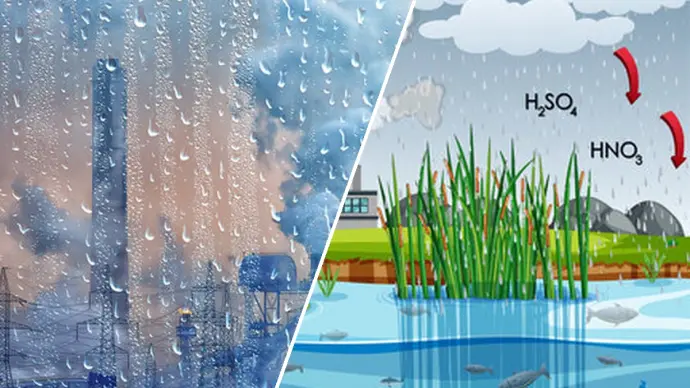
Acid rain, more scientifically termed acid deposition, represents a significant environmental challenge stemming from atmospheric pollution. It is characterized by precipitation that exhibits a lower pH than normal, primarily due to the presence of sulfuric and nitric acids. These acids form when pollutants, predominantly sulfur dioxide (SO2) and nitrogen oxides (NOx), are released into the atmosphere and react with water, oxygen, and other chemicals. While natural phenomena like volcanic eruptions and lightning can contribute, human activities, particularly the burning of fossil fuels, are the dominant cause of acid rain, making it a critical subject of study for environmental scientists and policymakers.
Key takeaways about acid rain:
- Acid rain is precipitation with a pH of 5.2 or lower.
- It is mainly caused by sulfur dioxide and nitrogen oxides from burning fossil fuels.
- Power plants, vehicles, and industrial facilities are major sources of these pollutants.
- Acid rain harms both natural environments and human-made structures.
- Natural sources like volcanoes and lightning also contribute, but human activities are the primary driver.
The Chemistry Behind Acid Rain Formation
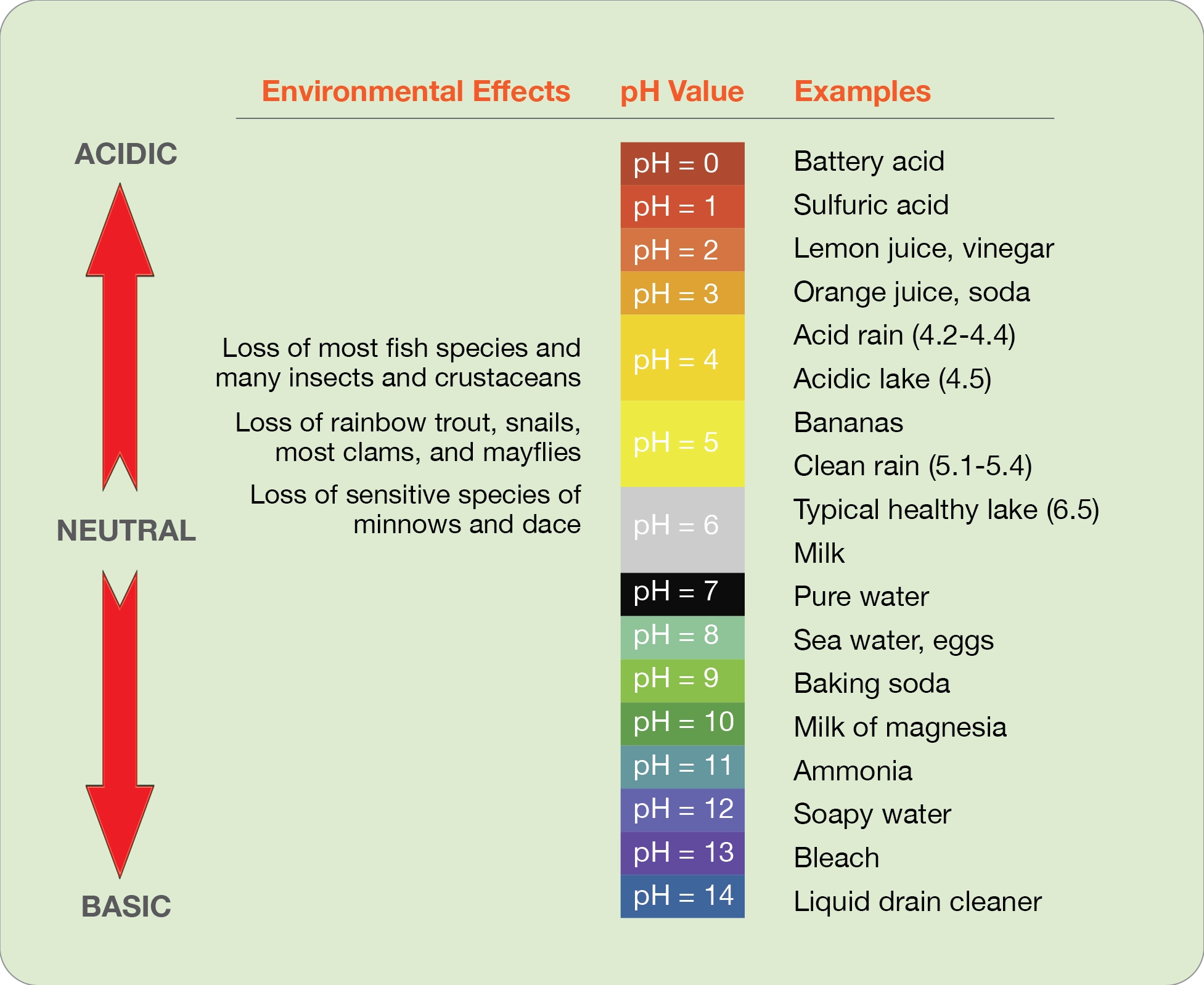
The formation of acid rain is a complex chemical process that begins with the release of specific gases into the atmosphere. These gases are primarily sulfur dioxide (SO2) and nitrogen oxides (NOx). The combustion of fossil fuels in sources such as coal-burning power plants, factories, and automobiles releases these pollutants. Once in the atmosphere, SO2 and NOx undergo chemical reactions with water, oxygen, and other atmospheric compounds. These reactions transform the pollutants into sulfuric acid (H2SO4) and nitric acid (HNO3). These acids then mix with cloud moisture, leading to precipitation that is acidic, hence the term 'acid rain'. The pH of normal rain is around 5.6, but acid rain typically falls within the range of 4.2 to 4.4, indicating a significantly higher level of acidity.
Ecological Effects of Acid Deposition
The consequences of acid rain on natural ecosystems are profound and wide-ranging. Its impact is observed across various environmental components, from aquatic life to terrestrial forests and soil health.
Impact on Lakes and Rivers
Acid deposition can drastically lower the pH of surface waters, creating conditions that are inhospitable for many aquatic organisms. As lakes and rivers become more acidic, sensitive species of fish, amphibians, and invertebrates decline or disappear entirely. This reduction in biodiversity disrupts aquatic food webs and diminishes the overall health of these water bodies. The release of toxic metals, such as aluminum, from soils into the water further exacerbates the problem, posing additional threats to aquatic life.
Effects on Forested and Mountainous Regions
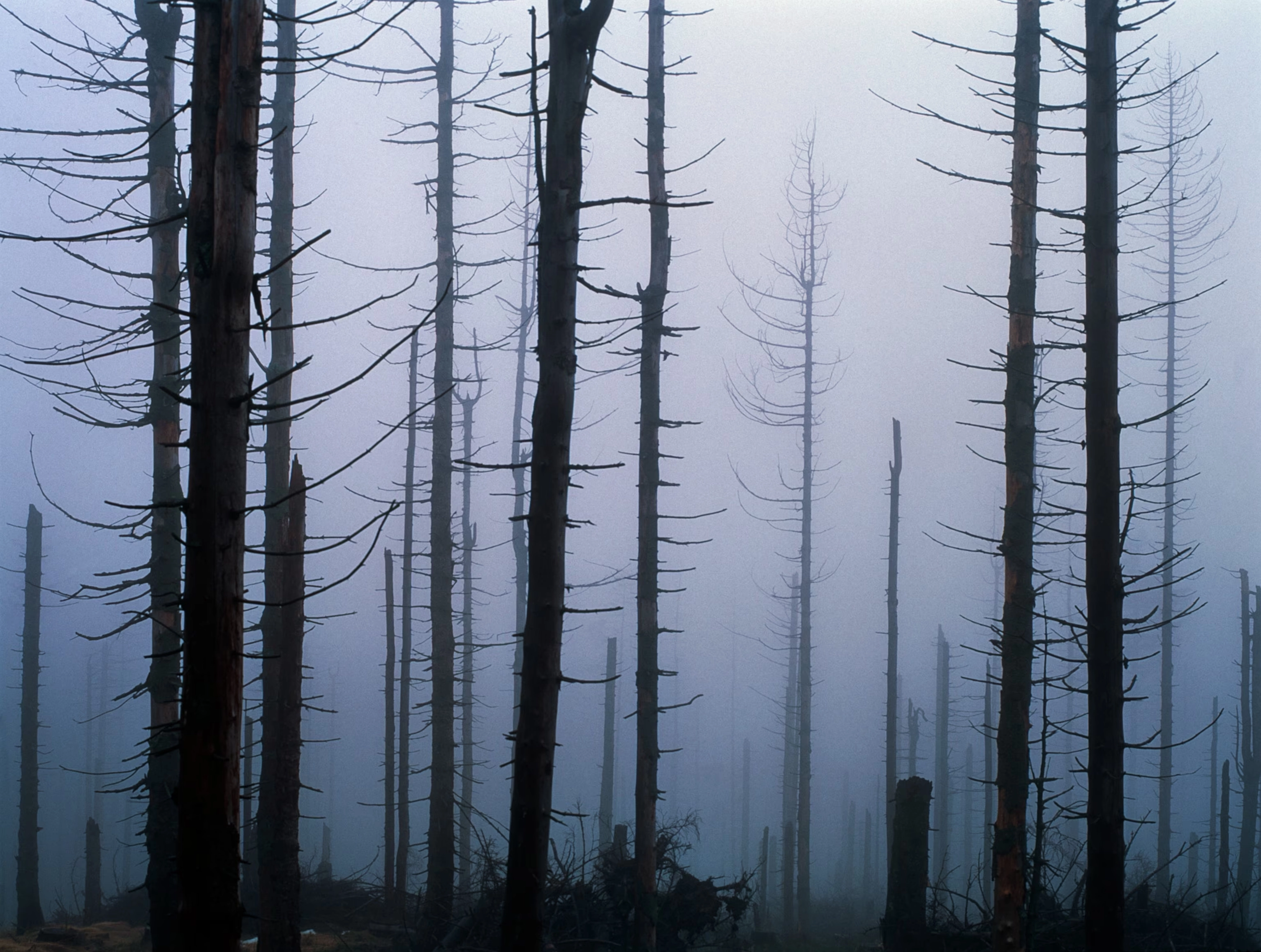
Forests, particularly those in mountainous regions that are often exposed to greater amounts of acid deposition, are highly vulnerable. Acid rain can leach essential nutrients, such as calcium and magnesium, from the soil, depriving trees of vital sustenance. Simultaneously, it can mobilize toxic substances like aluminum in the soil, which can damage tree roots and hinder their ability to absorb water and nutrients. This weakens trees, making them more susceptible to disease, insect infestations, and harsh weather conditions. The visual evidence of acid rain's devastation can be seen in the damaged spruce trees in areas like Poland's Karkonoski National Park, where they have been exposed to highly acidic precipitation.

Impact on Human-Made Structures
Beyond the ecological damage, acid rain also corrodes and damages buildings, monuments, statues, and other human-made structures. The sulfuric and nitric acids in acid rain react with materials like limestone, marble, and metal, causing them to deteriorate over time. This results in the erosion of fine details on historical monuments and can weaken the structural integrity of buildings, leading to costly repairs and the loss of cultural heritage.
The Role of Air Pollution and Emissions
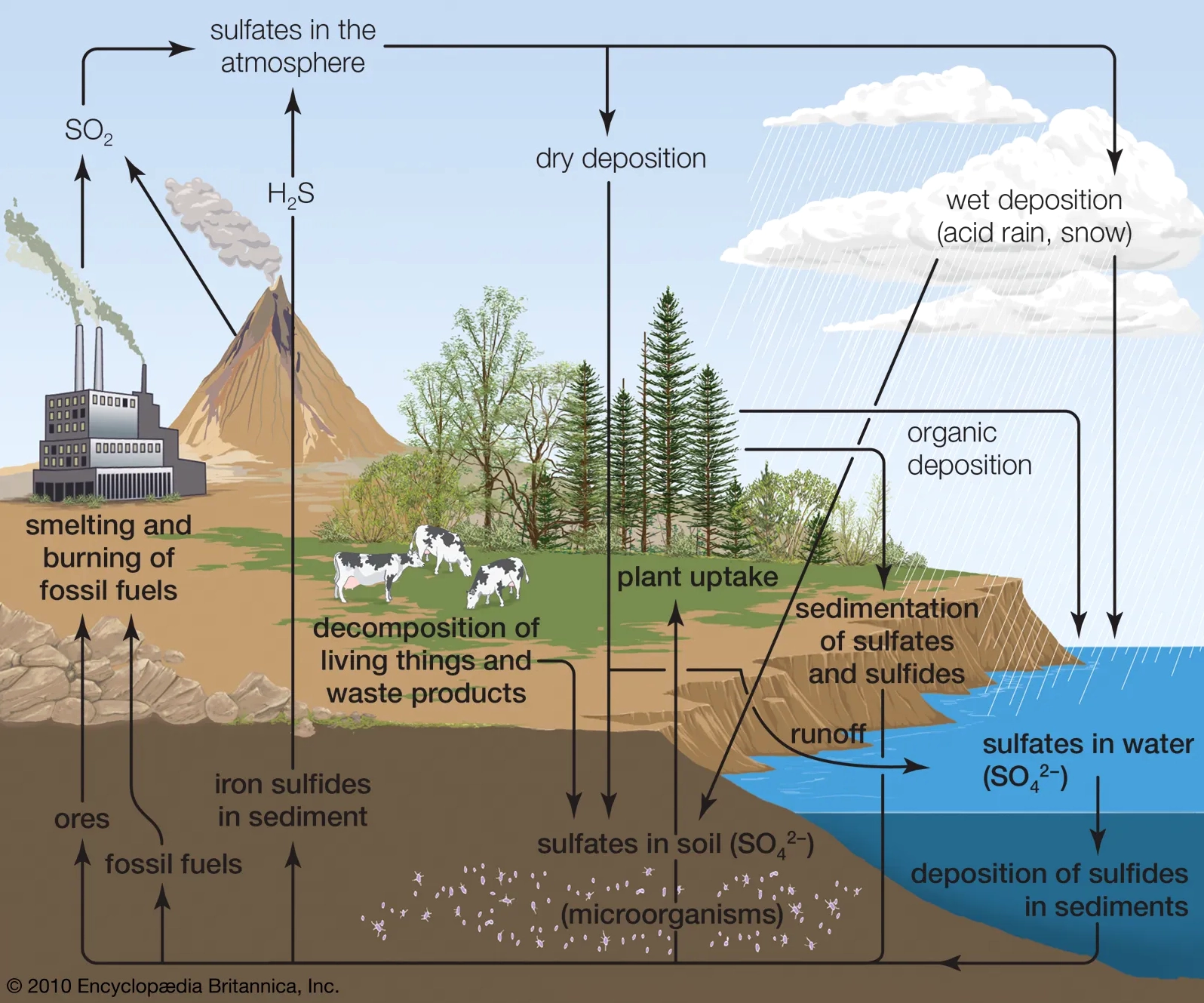
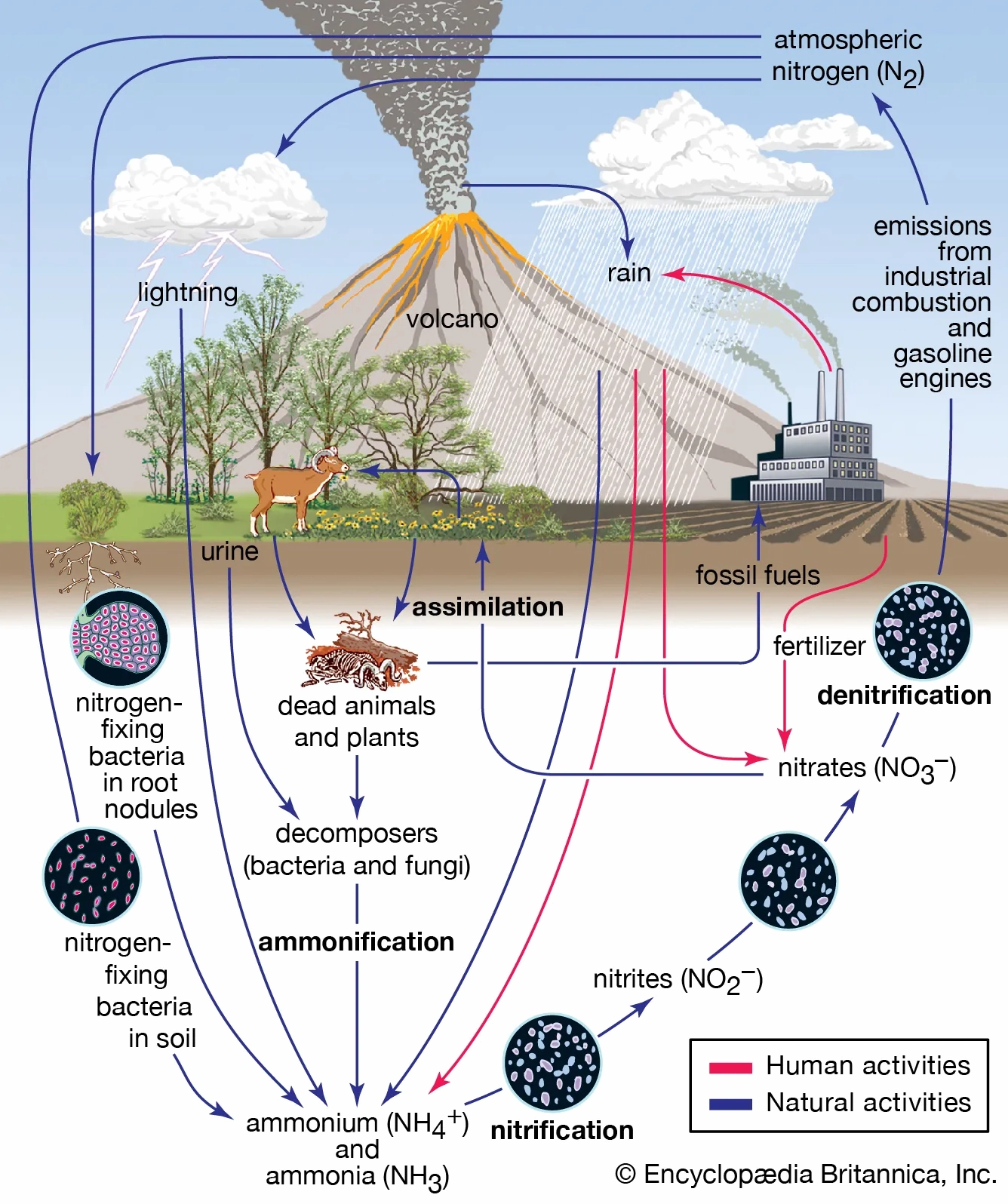
Air pollution is intrinsically linked to the phenomenon of acid rain. The very pollutants that degrade air quality are the precursors to acid deposition. Sulfur dioxide and nitrogen oxides emitted from industrial processes and transportation are not only respiratory irritants but also the primary ingredients for acid rain formation. Efforts to control acid rain, therefore, are fundamentally tied to reducing overall air pollution and managing acid rain emissions effectively. Understanding the sulfur cycle in the atmosphere and the nitrogen cycle is crucial for grasping how these pollutants travel and transform, leading to widespread acid deposition.
Mitigation and Future Outlook
Addressing acid rain requires a multi-faceted approach focused on reducing emissions at their source. Technologies such as scrubbers in power plants can remove SO2 from flue gases, and catalytic converters in vehicles can reduce NOx emissions. International cooperation and regulatory policies have been instrumental in decreasing acid rain levels in many regions. While significant progress has been made, the issue of acid rain pollution persists globally, necessitating continued vigilance and innovation in environmental protection strategies. The long-term health of ecosystems and the preservation of historical structures depend on sustained efforts to combat acid rain.
Understanding Acidity: The pH Scale
The pH scale is a fundamental concept for understanding acid rain. It measures the acidity or alkalinity of a solution. A pH of 7 is neutral, while values below 7 indicate acidity and values above 7 indicate alkalinity. Normal rain has a slightly acidic pH of around 5.6. Acid rain, however, typically has a pH between 4.2 and 4.4, signifying a substantial increase in acidity. Understanding this scale is crucial for assessing the environmental impact of acid deposition.
Conclusion and Call to Action
Acid rain, a direct consequence of air pollution, poses a severe threat to our planet's ecosystems and infrastructure. From acid rain emissions to their impact on lakes, rivers, forests, and buildings, the effects are far-reaching. Continuous monitoring and reduction of sulfur dioxide and nitrogen oxide emissions are paramount. By implementing stricter emission controls, promoting renewable energy sources, and fostering global cooperation, we can mitigate the formation of acid rain and protect our environment for future generations. It is imperative for individuals and industries alike to adopt practices that minimize their contribution to air pollution and support initiatives aimed at combating acid rain worldwide.
Comments (1)
Environmental Advocate
17:01:52 21-07-2026Leave a Reply
Your email address will not be published. Required fields are marked *