Sublimation Printing Explained for Beginners: A Comprehensive Guide
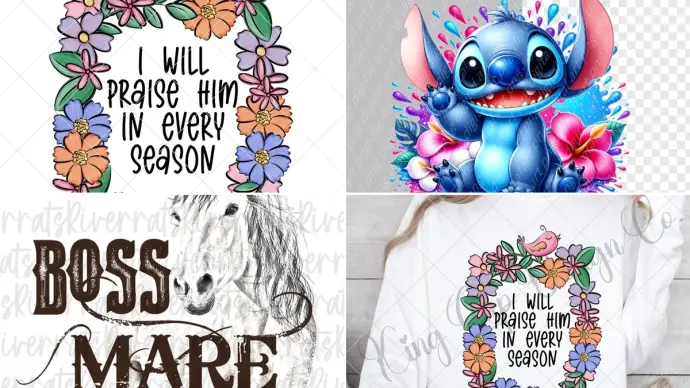
Dive into the vibrant world of dye sublimation, a revolutionary print and transfer method that allows you to create professional-quality, full-color projects right from your home. Unlike traditional methods where designs sit on the surface, sublimation integrates the design directly into the material, offering unparalleled durability and a smooth, seamless finish. This comprehensive guide is designed for beginners, demystifying the process and empowering you to bring your creative visions to life.
Understanding Dye Sublimation
At its heart, sublimation refers to a specific printing technique where a design is first printed using specialized sublimation ink onto sublimation paper. This printed design then undergoes a transformation under high heat and pressure, becoming a permanent part of the item's surface. The magic lies in the sublimation ink's ability to convert directly from a solid to a gas when heated, bypassing the liquid phase entirely. This gaseous ink permeates the polymer coating of the blank item, bonding with it as it cools and solidifies. This process ensures that the design is not merely applied but becomes an integral part of the material itself.
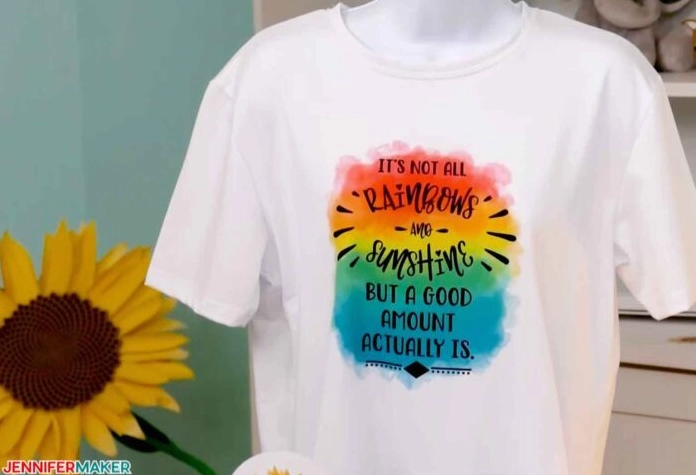
The Sublimation Process Simplified
Getting started with sublimation involves a few key steps:
- Print Your Design: Utilize a sublimation printer with special sublimation ink and paper to print your chosen design in reverse.
- Prepare Your Item: Place the sublimation print onto a polymer-coated blank item (like a mug, t-shirt, or coaster) using heat-resistant tape to secure it.
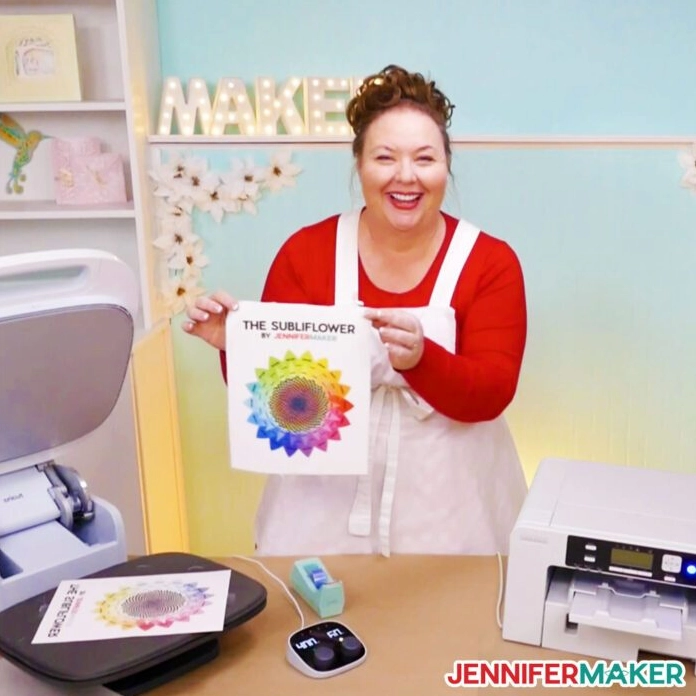
- Apply Heat and Pressure: Use a heat press to apply the required temperature and pressure for a specific duration, allowing the sublimation ink to transfer and bond.
The result is a vibrant, permanent design that feels like part of the fabric or surface.
What You Need for Sublimation Printing
To embark on your sublimation journey, you will require specific equipment and materials:
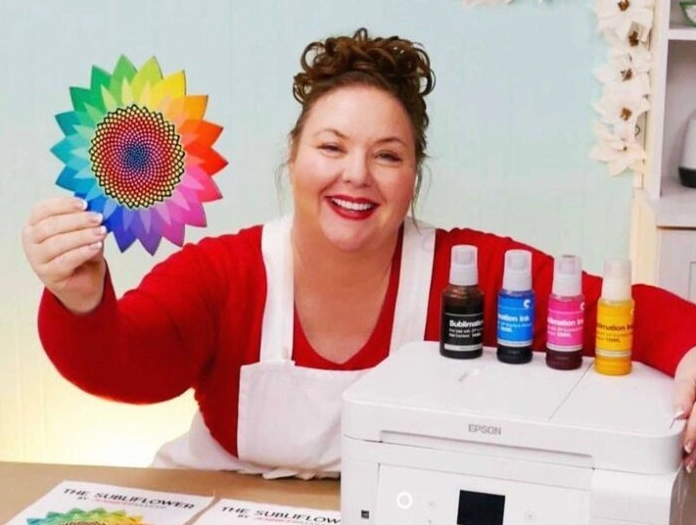
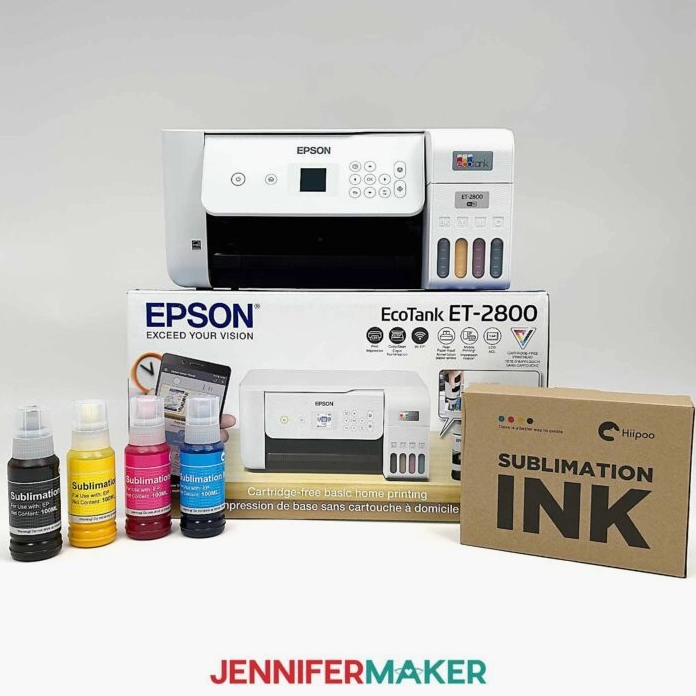
- Sublimation Printer: A printer specifically designed or converted for sublimation printing.
- Sublimation Ink: Special inks that undergo the sublimation process.
- Sublimation Paper: Coated paper designed to hold and release sublimation ink effectively.
- Heat Press: A machine that provides the necessary heat and pressure for the transfer. A regular iron typically does not reach the required temperature or provide even pressure.
- Polymer-Coated Blanks: Items specifically treated to accept sublimation ink. This includes polyester-rich fabrics (like 100% polyester shirts), mugs, coasters, and more, provided they have a polymer coating.
- Heat-Resistant Tape: To secure the sublimation print onto the blank during the heat pressing process.
- Heat-Resistant Gloves: For safely handling hot items.
Choosing the Right Materials
The success of your sublimation printing largely depends on the materials you use. For fabric items, a high polyester count (at least 65%, but 100% is ideal) is necessary for the ink to bond properly. Natural fibers like cotton do not work with sublimation because the ink cannot adhere to them. Similarly, for hard items like mugs or coasters, they must have a specialized polymer coating applied during manufacturing to accept the sublimation transfer.
Creative Possibilities with Sublimation
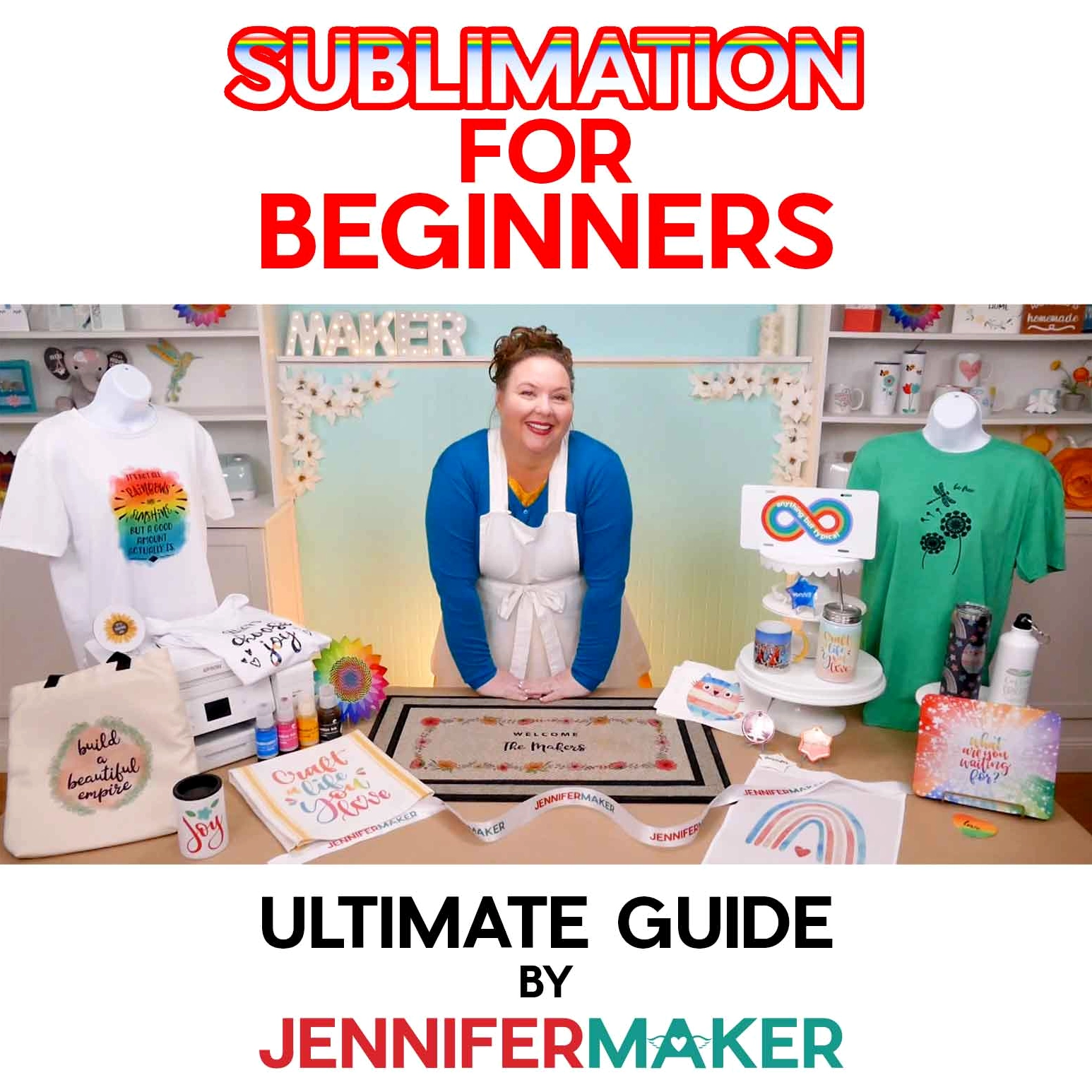
The versatility of sublimation opens up a vast array of creative possibilities. You can personalize:
- Apparel: T-shirts, hoodies, leggings, socks, and more.
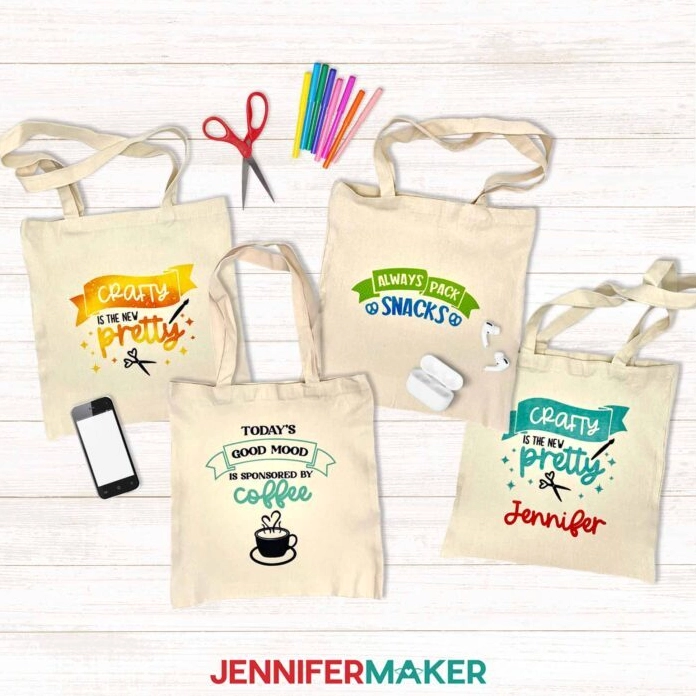
- Home Decor: Mugs, coasters, tote bags, throw pillows, wall art, and blankets.
- Accessories: Phone cases, keychains, mousepads, and jewelry.
The ability to achieve edge-to-edge, full-color designs makes sublimation ideal for intricate graphics, photographs, and vibrant patterns that would be challenging or impossible with other methods.
Sublimation vs. Other Crafting Methods
Compared to techniques like vinyl application, sublimation offers significant advantages. Vinyl designs can eventually peel, crack, or feel raised on the fabric. Regular inks might fade over time. Sublimation print, however, becomes part of the material, offering a smooth texture and exceptional longevity. While other methods might require layering or specific cutting techniques, sublimation allows for direct printing of complex, multi-colored designs.
Troubleshooting Common Sublimation Issues
Even with the best preparation, occasional issues can arise. Understanding common problems and their solutions is key:
- Faded or Dull Prints: This can be due to insufficient heat, time, or pressure, or using incorrect sublimation ink or paper. Ensure your heat press settings are accurate for your specific materials.
- Ghosting (a faint shadow of the design): This often happens if the sublimation paper shifts during the heat press process. Ensure the paper is securely taped and that the item is not disturbed when opening the press.
- White or Unprinted Spots: This may indicate that the item is not properly coated for sublimation or that there are contaminants on the surface. Ensure your blanks are specifically designed for sublimation and are clean before pressing.
Consistent practice and adherence to manufacturer guidelines for your sublimation printer, ink, and blank materials will help minimize these issues.
The Psychology Behind Sublimation and Personalization
Beyond the technical aspects, the appeal of sublimation lies in its power of personalization. The ability to take an ordinary object and transform it into something uniquely yours or a heartfelt gift taps into a deep psychological need for self-expression and connection. When you create custom items with sublimation, you are not just producing a product; you are crafting a memory, a statement, or a cherished keepsake. This emotional connection makes personalized items incredibly valuable, whether for personal use or as part of a small business offering.
Future Trends in Sublimation
The field of sublimation is continually evolving. Advancements in sublimation ink technology are leading to even more vibrant colors and greater durability. New types of blanks and materials are being developed that expand the possibilities for sublimation printing. As the technology becomes more accessible, we can expect to see even more innovative applications emerge, from custom textiles and interior design elements to personalized electronics and beyond. The future of sublimation printing looks bright, offering endless opportunities for creators and businesses alike.
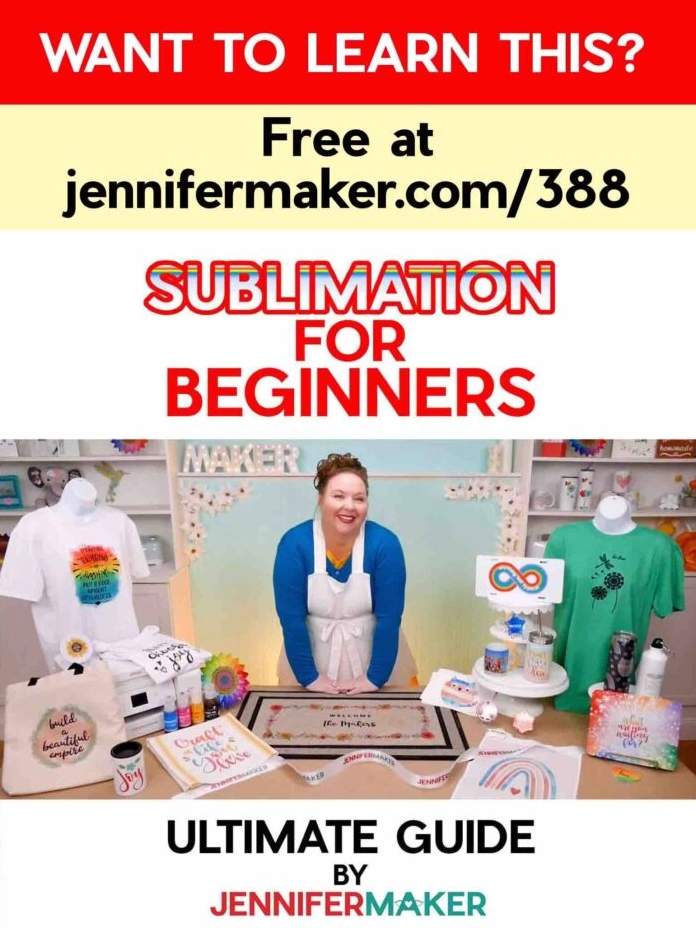
Elevate Your Creations with Sublimation
Sublimation printing offers a unique and rewarding way to create lasting, vibrant custom products. By understanding the process, gathering the right materials, and practicing consistently, beginners can quickly master this exciting craft. Whether you're looking to start a small business, create personalized gifts, or simply enjoy the satisfaction of bringing your own designs to life, sublimation provides the tools and potential for truly remarkable results. Begin your sublimation journey today and unlock a new level of creativity!
Comments (0)
No comments yet. Be the first to share your thoughts!
Leave a Reply
Your email address will not be published. Required fields are marked *